Shoulder Pain: Causes, Symptoms, Treatment, and the Path to Recovery
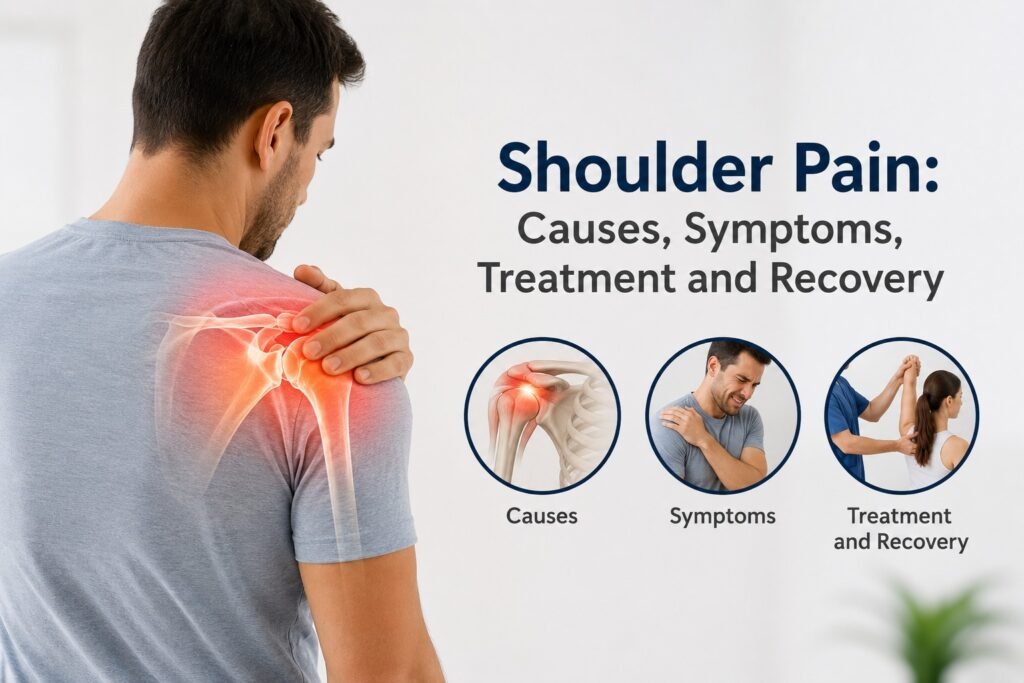
The shoulder is the most flexible joint in the human body. It allows you to lift, reach, swing your arms, and perform complex movements. However, this incredible range of motion comes at a cost: instability. Because the shoulder joint relies so heavily on muscles, tendons, and ligaments to stay in place rather than deep bony sockets, it is highly susceptible to injury and wear. Whether it is a sharp catch when reaching for a seatbelt or a dull, deep ache that keeps you awake at night, shoulder pain can drastically reduce your quality of life. If you are seeking advanced Shoulder Pain Treatment in Secunderabad, understanding how a pain specialist evaluates and treats this complex joint without rushing into surgery is your first step toward true lasting relief. Common Causes of Shoulder Pain Shoulder pain rarely stems from just one issue. As a specialist, I often see conditions that overlap, involving both structural wear and localized inflammation. 1. Rotator Cuff Tendonitis and Tears The rotator cuff is a group of four muscles and their tendons that keep the upper arm bone securely within the shoulder socket. Repetitive overhead movements—common in sports like badminton or occupations like painting—can cause inflammation (tendonitis) or physical tearing of these tissues. 2. Frozen Shoulder (Adhesive Capsulitis) This condition is characterized by severe stiffness and pain that develops gradually. The connective tissue surrounding the joint becomes thick, tight, and inflamed. It is particularly common in individuals recovering from a medical illness, stroke, or those living with diabetes. 3. Shoulder Bursitis Bursae are small, fluid-filled sacs that act as friction-reducing cushions between your bones and tendons. When these sacs become inflamed due to repetitive strain, even minor arm movements can cause a sharp, pinching pain. 4. Osteoarthritis Over time, the smooth cartilage covering the shoulder bones can wear away. This leads to direct bone-on-bone friction, resulting in a deep, grinding ache and progressive loss of mobility. Key Symptoms: When to Seek Professional Care While occasional muscle soreness after heavy lifting is normal, certain signs indicate a deeper issue within the joint capsule. You should consult a specialist for dedicated Shoulder Pain Treatment if you experience: Modern Non-Surgical Treatment Options At Dr. Amarnath Reddy B, we believe in a tiered approach that exhausts all advanced interventional and biological pathways before considering open surgery. As the Best Pain Management Doctor in Secunderabad, I focus on treating the joint dynamically: Ultrasound-Guided Injections Blind injections often miss the exact point of inflammation. By utilizing high-resolution musculoskeletal ultrasound, we can guide anti-inflammatory medications precisely into the subacromial bursa or the glenohumeral joint space, ensuring maximum relief and minimal discomfort. Platelet-Rich Plasma (PRP) Therapy For partial rotator cuff tears or early-stage osteoarthritis, regenerative medicine offers a powerful solution. We extract a small amount of your own blood, concentrate the healing platelets, and inject them back into the damaged tendon. This stimulates the body’s natural biological repair mechanisms to fix micro-tears without surgery. Suprascapular Nerve Blocks For severe, intractable pain—such as advanced frozen shoulder—a targeted nerve block can temporarily “turn off” the main sensory nerve supplying the shoulder. This creates a critical pain-free window, allowing physical therapists to aggressively mobilize a stiff joint without causing agonising distress to the patient. Recovery: Restoring Dynamic Function True recovery is a collaborative effort. Once interventional treatments calm the baseline inflammation, targeted physical rehabilitation begins. We focus on strengthening the scapular stabilizers (the muscles around your shoulder blades) and correcting your posture, as rounded shoulders from prolonged desk work significantly increase the risk of shoulder impingement. Frequently Asked Questions (FAQs) 1. Why does my shoulder pain feel so much worse at night? When you lie down, gravity no longer pulls your arm downward, which allows the joint space to compress slightly. Furthermore, sleeping directly on an inflamed bursa or rotator cuff tendon cuts off blood supply, intensifying the inflammatory response and waking you up from sleep. 2. How can I distinguish between a neck problem and a shoulder problem? If the pain stays strictly in the shoulder and worsens when you lift your arm, it is likely a local shoulder issue. However, if the pain feels like an electric shock traveling from your neck down past your elbow, or is accompanied by numbness in your fingers, it may actually be a pinched nerve in your cervical spine. 3. How long does a frozen shoulder take to heal without treatment? Left entirely untreated, a frozen shoulder typically moves through three phases (freezing, frozen, and thawing) and can take anywhere from 18 to 36 months to resolve. Interventional treatments like nerve blocks or hydrodilatation can compress this painful timeline down significantly. 4. Is PRP therapy safe for older adults with shoulder arthritis? Yes, completely. Because PRP uses your own blood components, there is virtually zero risk of allergic reaction or rejection. It is an excellent biological option for individuals who cannot take standard anti-inflammatory medications due to kidney or gastric issues. 5. Can I continue gym workouts if I have shoulder pain? You should temporarily avoid overhead presses, lateral raises, and deep chest dips, as these put extreme mechanical stress on an inflamed rotator cuff. Switch to low-impact lower-body training or specific rotator cuff strengthening exercises under professional guidance. Do not let shoulder stiffness limit your daily routine or ruin your sleep. Experience advanced, personalized care designed to restore your mobility. consult with Dr. Amarnath Reddy, the trusted expert for Shoulder Pain Treatment in Secunderabad.
Joint Pain in Young Adults: It’s Not Just an “Old Age” Problem

For a long time, joint pain was considered a natural byproduct of aging—something to worry about in your 60s or 70s. However, as a specialist, I am seeing an increasing number of individuals in their 20s and 30s seeking Joint Pain Treatment in Secunderabad. When a young adult experiences persistent stiffness or aching, it can be particularly frustrating. It interferes with career growth, fitness goals, and social life. Understanding the “why” behind early-onset joint pain is the first step toward effective management and long-term joint health. Why is Joint Pain Increasing in Young Adults? The causes of joint pain in younger populations differ significantly from the degenerative wear-and-tear seen in seniors. Here are the primary drivers we see at the Dr. Amarnath Reddy. 1. The “Tech-Neck” and Sedentary Lifestyle Modern work culture often involves hours of sitting in front of laptops or hunching over smartphones. This poor ergonomics leads to significant strain on the spine. We frequently see patients seeking Low Back Pain Treatment in Secunderabad because their core muscles have weakened, forcing the spinal joints and discs to bear too much weight. 2. Overuse and Sports Injuries On the other end of the spectrum are the “weekend warriors.” Engaging in high-impact sports without proper conditioning or repetitive gym movements with poor form can lead to tendonitis, ligament tears, or “jumper’s knee.” If not treated correctly, these minor injuries can evolve into chronic joint issues. 3. Early-Onset Inflammatory Arthritis Conditions like Rheumatoid Arthritis or Ankylosing Spondylitis (which specifically affects the spine) often manifest in a person’s 20s or 30s. Unlike standard aches, this pain is usually worse in the morning and improves with movement. 4. Post-Viral Arthralgia In recent years, many young adults have experienced lingering joint pain following viral infections (such as Chikungunya or even COVID-19). This systemic inflammation can settle in the joints, causing discomfort for months after the initial illness has passed. Modern Solutions for Joint Pain Treatment The goal for young adults is different: we want to preserve the natural joint for as long as possible. As the Best Pain Management Doctor in Secunderabad, my approach focuses on biological and minimally invasive treatments. Regenerative Therapy (PRP) For sports injuries or early cartilage thinning, Platelet-Rich Plasma (PRP) therapy is highly effective. We use the patient’s own blood to concentrate healing factors and inject them directly into the joint. This helps repair micro-tears and reduces inflammation naturally. Precision Physical Therapy Treatment isn’t just about procedures; it’s about mechanics. We focus on “re-training” the body. For those needing Low Back Pain Treatment in Secunderabad, this involves strengthening the “multifidus” muscles that support the spine, taking the pressure off the joints. Ergonomic Intervention Small changes to your workstation—monitor height, chair support, and frequent “movement snacks”—can stop the progression of joint stress before it becomes permanent damage. When Should You Be Concerned? Many young adults ignore pain, thinking it will simply “go away.” You should consult a specialist if: Frequently Asked Questions (FAQs) 1. Is it normal to have “clicking” joints at age 25? If the clicking is not accompanied by pain or swelling, it is usually just gas bubbles popping in the joint fluid (crepitus) or tendons snapping over bone. However, if the click comes with a “locking” sensation or sharp pain, it could indicate a meniscus or cartilage tear that needs evaluation. 2. Can my diet affect my joint pain? Absolutely. High-sugar diets and processed foods increase systemic inflammation. Incorporating anti-inflammatory foods like turmeric, ginger, omega-3 fatty acids (found in fish or walnuts), and leafy greens can significantly help manage joint discomfort. 3. Will I need to stop exercising if I have joint pain? Rarely. In fact, total rest is often the worst thing for joint pain. The “motion is lotion” rule applies. We usually recommend “relative rest”—modifying your workout to avoid painful movements while keeping the surrounding muscles strong. 4. How does a pain specialist differ from an orthopedic surgeon? While surgeons focus on fixing structural damage through operation, a pain management specialist focuses on non-surgical interventions. We use advanced diagnostics and minimally invasive procedures to manage pain and restore function, often helping patients avoid the need for surgery altogether. 5. Why is my back pain worse when I sit for long periods? Sitting increases the pressure on your lumbar discs by nearly 40% compared to standing. For many young professionals in Secunderabad, this constant pressure leads to “discogenic” pain. Frequent standing breaks and core strengthening are the primary defenses against this. Don’t let joint pain slow down your most productive years. Whether it’s a sports injury or office-related strain, early intervention is the key to a pain-free future. Visit Dr. Amarnath Reddy B in Secunderabad for a comprehensive evaluation and personalized treatment plan. Address: Yashoda hospital, Alexander Rd, Kummari Guda, Shivaji Nagar, Secunderabad, Telangana 500003 Phone: +91 9032220848 Email: dramarnath.pain@gmail.com
A Modern Miracle for Chronic Pain: How Spinal Cord Stimulators Provide Relief

Living with severe, chronic pain can feel like being trapped in a cycle of discomfort that never ends. For many, traditional treatments—medications, physical therapy, or even multiple surgeries—simply don’t provide enough relief. When these standard options fail, many patients feel they have reached the end of the road. However, advanced medical technology has introduced a life-changing solution: Spinal Cord Stimulation (SCS). Often referred to as a “pacemaker for pain,” this technology is one of the most effective tools used by the Best Pain Management Doctor in Secunderabad to help patients reclaim their lives. What is a Spinal Cord Stimulator? A Spinal Cord Stimulator is an implanted device that sends low levels of electricity directly to the spinal cord to relieve pain. It consists of thin wires (leads) and a small medical battery (generator). The mechanism is based on the “Gate Control Theory” of pain. Essentially, the device delivers mild electrical pulses that interfere with the pain signals traveling to your brain. Instead of feeling intense pain, patients often feel a pleasant tingling sensation (paresthesia) or, with newer “burst” technology, they may feel no sensation at all—just a significant reduction in pain. How the Process Works: The “Test Drive” One of the unique advantages of an SCS is that you can “test-drive” the device before committing to a permanent implant. This is a two-step process: 1. The Trial Phase During a minimally invasive procedure, a pain specialist places temporary leads near the spinal cord. You wear an external battery on a belt for 5 to 7 days. This allows you to evaluate how much the stimulation improves your pain and mobility during your normal daily activities. 2. The Permanent Implant If the trial is successful (typically defined as a 50% or greater reduction in pain), a permanent system is implanted. The battery is usually placed under the skin in the upper buttock or abdominal area, where it is discreet and comfortable. Who Can Benefit from SCS? At Dr. Amarnath Reddy B, we typically recommend Spinal Cord Stimulation for patients suffering from: Why This is a Game-Changer in Secunderabad For patients in Secunderabad and surrounding regions, accessing this high-end technology means they no longer have to live with debilitating pain. As a specialist, my goal is to reduce your dependence on heavy medications and avoid the risks of further invasive “open” surgeries. SCS is reversible, adjustable, and personalized to your specific pain patterns. Frequently Asked Questions (FAQs) 1. Does the stimulator cure the source of the pain? No, the stimulator does not “cure” the underlying condition (like a damaged nerve or scar tissue), but it effectively masks the pain signals before they reach the brain. This allows patients to function much better and participate in activities they previously avoided. 2. Will I feel the electricity in my back? With older models, patients felt a gentle tingling. However, modern high-frequency or “sub-perception” stimulators work without any tingling sensation at all. You simply notice that your baseline pain has significantly decreased. 3. Can I still have an MRI if I have a Spinal Cord Stimulator? Many modern SCS devices are “MRI-conditional,” meaning they are safe for MRI scans under specific conditions. If you anticipate needing future MRIs, we ensure that we select a device model that is compatible with imaging technology. 4. Is the surgery for the permanent implant dangerous? The procedure is considered minimally invasive. While all surgeries carry some risk, the placement of the leads and the generator is performed in a controlled environment using advanced imaging to ensure precision. Most patients go home the same day. 5. How long does the battery last? This depends on whether you have a rechargeable or non-rechargeable system. Non-rechargeable batteries usually last 3 to 5 years, while rechargeable systems can last 10 to 15 years or more before the generator needs a simple replacement. 6. Can I control the device myself? Yes! Patients are given a handheld remote (often an app on a dedicated controller or smartphone) that allows them to turn the stimulation up or down, or switch between different programs depending on whether they are sitting, walking, or sleeping. If you are tired of living with severe chronic pain that hasn’t responded to traditional treatments, it may be time to explore Spinal Cord Stimulation. Consult with Dr. Amarnath Reddy B, the Best Pain Management Doctor in Secunderabad. Address: Yashoda hospital, Alexander Rd, Kummari Guda, Shivaji Nagar, Secunderabad, Telangana 500003 Phone: +91 9032220848Email: dramarnath.pain@gmail.com
The Science of Relief: How the Best Pain Management Doctors Treat Chronic Pain

Chronic pain is more than just a physical sensation; it is a complex condition that affects your sleep, your mood, and your ability to engage with the world. Unlike acute pain, which acts as a temporary warning signal of injury, chronic pain persists for months or even years, often outlasting the original cause. When pain reaches this stage, it requires more than just rest or standard medication. It requires a specialized approach. If you are searching for the Best Pain Management Doctor in Secunderabad, you are looking for a practitioner who views pain as a treatable condition in its own right, using a combination of advanced technology and compassionate care. The Multidisciplinary Approach: A New Standard of Care The most effective way to treat chronic pain is through a multidisciplinary approach. At Dr. Amarnath Reddy, we don’t just look at where it hurts; we look at why the pain has become chronic and how it is impacting your nervous system. 1. Advanced Diagnostics The first step is a “deep dive” into the source of the pain. Chronic pain often involves “peripheral sensitization,” where the nerves become hypersensitive. By using high-resolution imaging and diagnostic nerve blocks, we can isolate the specific nerve or joint responsible for the distress. 2. Interventional Pain Management This is the core of modern pain medicine. Interventional treatments are minimally invasive procedures that target the pain at its source. 3. Regenerative Medicine We are moving toward a future where we don’t just mask pain but help the body heal itself. Treatments like Platelet-Rich Plasma (PRP) therapy use the patient’s own growth factors to repair damaged tendons and ligaments, providing a long-term solution for chronic musculoskeletal pain. 4. Neuromodulation For patients with complex regional pain syndrome or failed back surgery syndrome, neuromodulation (such as Spinal Cord Stimulation) can be life-changing. These devices send mild electrical pulses to the spinal cord, replacing pain signals with a soothing sensation. Why Personalization Matters No two patients experience pain the same way. The Best Pain Management Doctor in Secunderabad will create a “Pain Management Roadmap” tailored to your specific history and goals. This might include a combination of interventional procedures, physical therapy to restore function, and psychological support to manage the mental toll of living with long-term pain. By treating the “whole person” rather than just the “symptom,” we help patients move from a state of suffering to a state of living. Frequently Asked Questions (FAQs) 1. Is chronic pain management just about taking painkillers? Absolutely not. In fact, modern pain management aims to reduce the reliance on heavy medications, particularly opioids, which can have significant side effects. Our focus is on interventional procedures and regenerative therapies that address the underlying cause of the pain rather than just numbing it. 2. How do I know if I need a specialist instead of my regular doctor? If your pain has lasted for more than 3 to 6 months, if it wakes you up at night, or if it has not responded to standard treatments like rest and basic anti-inflammatories, it is time to see a specialist. Early intervention is key to preventing the nervous system from becoming “permanently” sensitized to pain. 3. Are interventional procedures safe? Yes. Most of these procedures are performed as outpatient treatments under local anesthesia. We use advanced guidance technology, such as Fluoroscopy (live X-ray) or Ultrasound, to ensure the needle is placed with millimeter-level precision, maximizing safety and effectiveness. 4. Can chronic pain be completely cured? While “cure” is a strong word, many patients achieve significant, long-lasting relief that allows them to return to work, hobbies, and a normal social life. The goal is “functional restoration”—getting you back to doing the things you love with minimal to no discomfort. 5. What should I bring to my first appointment? To provide the best care, please bring any recent imaging reports (MRI, CT scans, or X-rays), a list of medications you have tried in the past, and a “pain diary” if you have one. Understanding what makes your pain better or worse helps us reach a diagnosis faster. Visit Dr. Amarnath Reddy B Address: Yashoda hospital, Alexander Rd, Kummari Guda, Shivaji Nagar, Secunderabad, Telangana 500003 Phone: +91 9032220848Email: drAmarnathnathnath.pain@gmail.com
Beyond Surgery: Effective Non-Surgical Treatments for Arthritis Pain

Arthritis is often misunderstood as a single disease, but it is actually a complex umbrella term covering over 100 different conditions that affect the joints. Whether it is the “wear and tear” of osteoarthritis or the inflammatory nature of rheumatoid arthritis, the result is the same: persistent pain, stiffness, and a reduced quality of life. For many patients, the word “arthritis” brings up fears of joint replacement surgery. However, modern medicine has advanced significantly. Today, a wide array of interventional and regenerative treatments allow patients to manage pain and regain mobility without ever stepping into an operating theater. If you are looking for the Best Pain Management Doctor in Secunderabad, it is essential to find a specialist who prioritizes these minimally invasive, non-surgical pathways. Understanding Arthritis: Why Joints Hurt To treat arthritis effectively, we must understand what is happening inside the joint. In a healthy joint, cartilage acts as a slippery, elastic cushion between bones. Arthritis causes this cushion to thin or disappear, leading to bone-on-bone friction. This friction triggers inflammation, swelling, and the growth of bone spurs, which can also contribute to spine pain and stiffness in the neck or lower back. Top Non-Surgical Interventions for Arthritis At specialized clinics like Dr. Amarnath Reddy B, the goal is to reduce inflammation, repair tissue, and “turn off” pain signals through the following methods: 1. Viscosupplementation (Hyaluronic Acid Injections) Often used for knee arthritis, this involves injecting a thick fluid called hyaluronic acid into the joint. This fluid mimics the natural lubricating fluid (synovial fluid) that has thinned out due to arthritis. It acts as both a lubricant and a shock absorber, allowing the joint to move more smoothly. 2. Platelet-Rich Plasma (PRP) Therapy This is a cornerstone of regenerative medicine. A small sample of the patient’s own blood is processed to concentrate the platelets, which are rich in growth factors. When injected into the arthritic joint, PRP can help reduce inflammation and potentially promote the healing of damaged tissues. It is a “first-party” healing approach, using your body’s own resources to fight the disease. 3. Radiofrequency Ablation (RFA) For those suffering from chronic arthritis in the spine (facet joint arthropathy) or the knees, RFA is a game-changer. This procedure uses thermal energy to interrupt the nerve’s ability to send pain signals to the brain. It provides long-lasting relief without affecting the structure of the joint itself. 4. Corticosteroid Injections While not a long-term cure, “steroid shots” are highly effective at calming acute flare-ups. By delivering a powerful anti-inflammatory directly to the site of the pain, patients can experience rapid relief that allows them to engage in physical therapy, which is vital for long-term joint health. 5. Specialized Physical Therapy and Lifestyle Modification Movement is medicine. A pain specialist works alongside therapists to strengthen the muscles surrounding the joint. Strengthening the quadriceps, for example, takes the pressure off an arthritic knee. Additionally, weight management and anti-inflammatory diets play a massive role in reducing the mechanical and chemical stress on your joints. Why Choose a Pain Specialist in Secunderabad? Choosing the Best Pain Management Doctor in Secunderabad means receiving a diagnosis that is precise. Many people assume their back pain is just “old age,” but it could be arthritis of the spinal joints. By visiting a dedicated center like Dr. Amarnath Reddy, you receive a personalized plan that might combine several of these non-surgical treatments to get you back to your favorite activities. Frequently Asked Questions (FAQs) 1. Is surgery always the final stage of arthritis? Not necessarily. Many patients successfully manage arthritis for decades using non-surgical interventions. The key is early intervention. By starting treatments like PRP or viscosupplementation early, you can often slow the progression of the disease and maintain a high level of activity without surgery. 2. How do I know if my back pain is actually arthritis? Spine pain caused by arthritis usually feels worse in the morning or after periods of inactivity. It often improves once you start moving but may ache again at the end of the day. A specialist will use imaging and physical tests to see if the facet joints in your spine are the “root cause” of the discomfort. 3. Are these non-surgical injections painful? Most patients describe the sensation as a quick pinch or pressure. We use local anesthetics to numb the skin, and many procedures are performed under ultrasound or X-ray guidance to ensure the medication is delivered exactly where it is needed with minimal discomfort. 4. How long does the relief from Radiofrequency Ablation (RFA) last? RFA typically provides relief for 6 to 18 months. Because nerves eventually regenerate, the procedure can be repeated if the pain returns. It is an excellent option for those who want to avoid the risks and downtime associated with major surgery. 5. Will I need to take a lot of time off work for these treatments? Most of these treatments are “office-based” or “day-care” procedures. Generally, you can return to your normal daily activities within 24 to 48 hours, though we may recommend avoiding heavy lifting or high-impact exercise for a few days following regenerative treatments like PRP. Don’t let joint stiffness dictate your life. For advanced, non-surgical solutions for arthritis and spine pain, consult with Dr. Amarnathnath Reddy B in Secunderabad. Address: Yashoda hospital, Alexander Rd, Kummari Guda, Shivaji Nagar, Secunderabad, Telangana 500003 Phone: +91 9032220848Email: drAmarnathnath.pain@gmail.com
Understanding the Source: How Pain Specialists Diagnose the Root Cause of Spine Pain
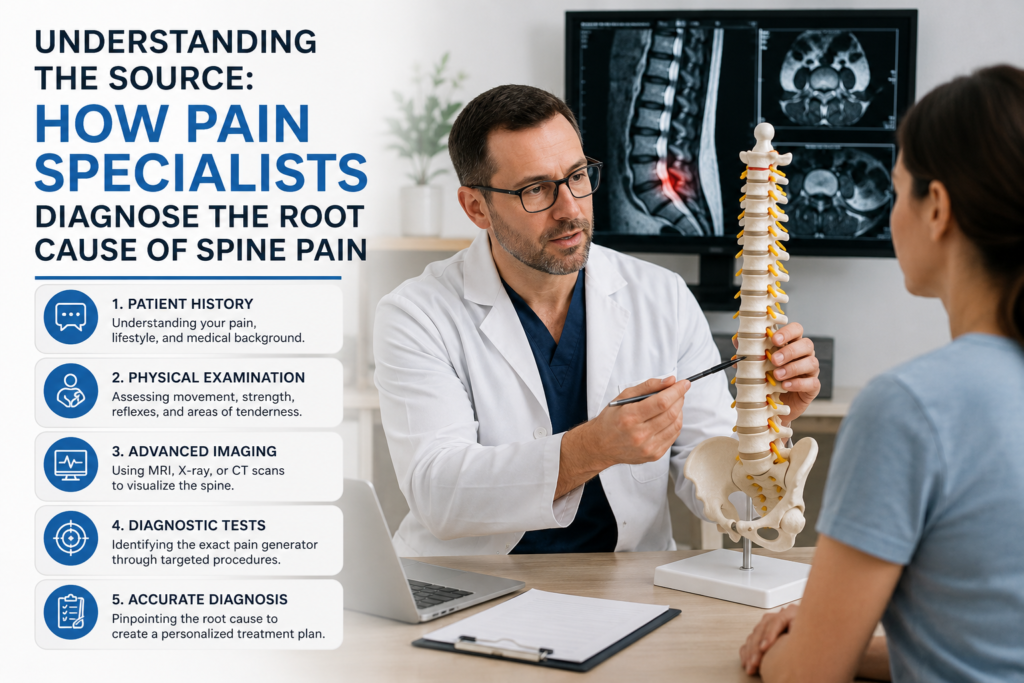
Spine pain can be a shadow over your daily life, making simple movements like reaching for a cup or sitting at a desk feel like a monumental task. When back or neck pain becomes chronic, the most important step toward recovery isn’t just treating the symptoms—it is identifying the “pain generator.” If you are searching for the Best Pain Management Doctor in Secunderabad, you are likely looking for a specialist who looks beyond the surface. Pain management specialists use a systematic, multidisciplinary approach to pinpoint exactly why your spine is hurting. Here is an inside look at how experts diagnose the root cause of spine pain. The Diagnostic Journey: More Than Just an X-Ray Diagnosing spine pain is rarely about a single test. Because the spine is a complex structure of vertebrae, discs, nerves, muscles, and ligaments, specialists use a tiered diagnostic process. 1. The Clinical Evaluation (History and Physical) The process begins with a detailed conversation. A specialist will ask about the nature of your pain: During the physical exam, the doctor performs provocative maneuvers. These are specific movements designed to stress certain structures—like the facet joints or the sacroiliac joint—to see if the pain can be reproduced. 2. Advanced Imaging While a physical exam provides clues, imaging provides the map. 3. Electromyography (EMG) and Nerve Conduction Studies Sometimes the pain isn’t just in the back; it’s a tingling or numbness in the feet. An EMG helps the doctor determine if the nerves are functioning correctly and identifies exactly which nerve root in the spine is being pinched or damaged. The “Gold Standard”: Diagnostic Injections One of the most effective ways the Best Pain Management Doctor in Secunderabad confirms a diagnosis is through a diagnostic block. If an MRI shows three different “bulging discs,” how does the doctor know which one is causing the pain? They may perform a guided injection of a local anesthetic into a specific area (like a facet joint or around a nerve root). If the patient experiences immediate, significant relief for a few hours, the “root cause” is confirmed. This “test-drive” approach ensures that future treatments, like Radiofrequency Ablation (RFA), are targeted at the correct spot. Common Root Causes Identified Through these methods, specialists often find that spine pain stems from: Why Specialized Care Matters in Secunderabad Choosing a specialized pain center, such as Dr. Amarnath Reddy, ensures that you aren’t just receiving a “one-size-fits-all” prescription. By focusing on interventional diagnostics, patients in Secunderabad can avoid unnecessary surgeries and find relief through targeted, minimally invasive procedures. Frequently Asked Questions (FAQs) 1. Why is my MRI showing a problem, but I don’t feel pain there? It is very common for MRIs to show “abnormalities” like bulging discs in people who have no pain at all. This is why a clinical exam is vital. A pain specialist treats the patient, not the image. They correlate what they see on the scan with where you actually feel pain. 2. Are diagnostic injections painful? Most diagnostic injections are performed using a very thin needle and local numbing medication. Patients may feel a brief sting or pressure, but the procedure is generally quick and performed under fluoroscopic (X-ray) guidance for maximum safety and precision. 3. How long does the diagnostic process take? Initial evaluations and imaging can often be completed within a week. If diagnostic blocks are required, it may take one or two visits to confirm the exact pain generator before a long-term treatment plan is established. 4. When should I see a pain management doctor instead of a general physician? If your spine pain has lasted longer than six weeks, is radiating down your limbs, or has not responded to basic rest and over-the-counter medication, it is time to consult a specialist. Early diagnosis prevents chronic “pain loops” from forming in the nervous system. 5. Can spine pain be diagnosed without surgery? Yes. The vast majority of spine conditions can be diagnosed using non-surgical methods like physical exams, imaging, and diagnostic injections. Surgery is typically considered a last resort after the root cause has been clearly identified and conservative treatments have been exhausted. Looking for a precise diagnosis for your back or neck pain? Visit Dr. Amarnathnath Reddy Address: Yashoda hospital, Alexander Rd, Kummari Guda, Shivaji Nagar, Secunderabad, Telangana 500003 Phone: +91 9032220848 Email: drAmarnathnath.pain@gmail.com
Know The Symptoms of a Slip Disc and Sciatica
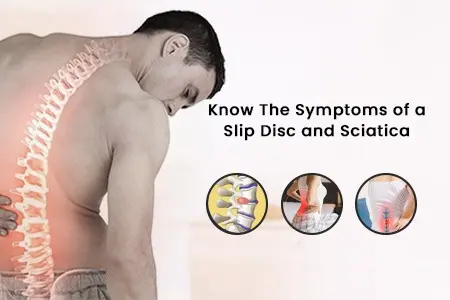
Back pain can be a serious concern, especially when it disrupts your daily activities and quality of life. Two of the most common causes of back and leg pain are a slip disc and sciatica, both of which can cause discomfort, immobility, and even long-term complications if left untreated. Understanding the symptoms and seeking prompt medical attention are key to managing these conditions effectively. In this blog, we’ll dive into the symptoms, causes, and treatment options for a slip disc and sciatica, helping you recognize when it’s time to consult a medical expert, like Dr. Amarnath Reddy B, a highly regarded pain specialist. What is a Slip Disc? A slip disc, also known as a herniated disc, occurs when one of the soft, gel-like discs between the vertebrae in your spine slips out of place or ruptures. These discs act as cushions for the spine, allowing flexibility and movement. When one of these discs is damaged or compressed, it can push on nearby nerves, resulting in pain, numbness, and weakness. Symptoms of a Slip Disc The symptoms of a slip disc can vary depending on the location of the herniation and the severity of the nerve compression. Here are some of the most common signs 1. Back Pain One of the primary symptoms of a slip disc is sharp or burning pain in the lower back. This pain can be intense and may radiate down into the buttocks, legs, or arms, depending on where the disc is located. Pain often worsens with movement, bending, or lifting. 2. Leg Pain (Sciatica) If the slipped disc is pressing on the sciatic nerve, you may experience pain that radiates down the leg. This condition is known as sciatica and is often described as a shooting, burning, or electric-like pain that travels from the lower back through the buttock and down the leg. 3. Numbness or Tingling Many people with a slip disc experience numbness or tingling in the affected area. This may occur in the back, buttocks, legs, or feet. If the disc is compressing a nerve, it can reduce sensation in the area, leading to these unusual sensations. 4. Weakness A slipped disc can cause muscle weakness in the areas controlled by the affected nerves. This may result in difficulty lifting objects, standing up from a seated position, or even walking. Muscle weakness may also lead to problems with coordination and balance. 5. Pain Worsens with Movement Simple activities such as coughing, sneezing, or bending may worsen the pain, as these actions can increase pressure on the affected nerve. 6. Difficulty Standing or Sitting People with a slip disc often find it challenging to maintain certain positions. Prolonged sitting or standing can exacerbate the pain, leading to discomfort and stiffness. What is Sciatica? Sciatica is a condition that occurs when the sciatic nerve—the longest nerve in the body, running from the lower back down through the legs—becomes compressed or irritated. The sciatic nerve controls sensation and movement in the lower extremities, so any compression can result in pain, tingling, and numbness that radiates along the nerve’s path. A slip disc is one of the most common causes of sciatica, but other conditions like spinal stenosis or a pinched nerve can also lead to sciatica. Symptoms of Sciatica Sciatica symptoms typically include pain that starts in the lower back and radiates down one leg. Some of the common symptoms are: 1. Radiating Leg Pain The most distinct symptom of sciatica is a sharp, burning pain that starts in the lower back or buttock and travels down one leg. In some cases, the pain can extend to the foot. 2. Numbness and Tingling People with sciatica often experience numbness, tingling, or a “pins and needles” sensation along the affected nerve. This usually occurs in the leg, calf, or foot. 3. Muscle Weakness Sciatica can cause muscle weakness in the affected leg, leading to difficulty walking, standing, or maintaining balance. In severe cases, foot drop—a condition where you can’t lift the front part of your foot—may occur. 4. Pain During Movement Activities like bending, standing, sitting for long periods, or lifting can trigger sciatic pain or make it worse. The pain often lessens when lying down or moving into a different position. 5. One-Sided Symptoms Sciatica typically affects only one side of the body. While the pain can be severe, it’s rare for it to occur on both sides at the same time. Causes of a Slip Disc and Sciatica While a slipped disc can cause sciatica, several factors can contribute to both conditions. These include 1. Age As we age, the discs in our spine naturally lose water content and become less flexible, making them more prone to tears and ruptures. 2. Injury An injury, such as lifting a heavy object or a sudden twist or jerk, can cause a disc to slip or lead to sciatica. 3. Obesity Carrying excess weight places additional stress on the spine, increasing the risk of disc herniation and sciatica. 4. Sedentary Lifestyle Lack of physical activity and prolonged sitting can weaken the muscles supporting your spine, making you more vulnerable to back problems. 5. Occupation Jobs that require heavy lifting, bending, or twisting can put extra strain on the spine and increase the likelihood of a slipped disc or sciatica. Diagnosis To diagnose a slipped disc or sciatica, a doctor will perform a thorough physical exam and review your medical history. Imaging tests like MRI, X-rays, or CT scans may be used to confirm the diagnosis and determine the severity of the condition. Treatment Options for Slip Disc and Sciatica Fortunately, both slip disc and sciatica are treatable, and many people experience significant improvement with non-surgical methods. Here are some of the most common treatment options 1. Physical Therapy Physical therapy can help strengthen the muscles surrounding your spine, improve flexibility, and reduce pain. Exercises that focus on improving posture and core strength are often recommended. 2. Pain Medications Over-the-counter pain relievers like ibuprofen or acetaminophen can
Managing Chronic Back Pain
Chronic back pain is a debilitating condition that affects millions of people worldwide. Unlike acute pain, which is temporary and often related to an injury, chronic back pain persists for weeks, months, or even years. This type of pain can severely impact your quality of life, making it difficult to perform everyday activities, from sitting and standing to walking and lifting. Living with chronic back pain can be overwhelming, but the good news is that effective management strategies are available. With the right approach, many people find relief and regain control over their lives. In this blog, we will explore the causes of chronic back pain and the various treatment options available to help manage it. Consulting an expert like Dr. Amarnath Reddy B, one of the best pain specialists in Hyderabad, is essential for developing a personalized treatment plan that addresses your unique needs. Understanding Chronic Back Pain Chronic back pain is defined as pain that lasts for 12 weeks or longer, even after the initial cause of pain—such as an injury or strain—has healed. It can affect any part of the back but is most common in the lower back region. The pain may be constant or intermittent and can vary in intensity from mild discomfort to severe, incapacitating pain. Common Causes of Chronic Back Pain Several factors can contribute to chronic back pain. Understanding the underlying cause is crucial for developing an effective treatment plan. Here are some of the most common causes As people age, the discs in their spine naturally wear down, leading to degenerative disc disease. This condition occurs when the discs, which act as cushions between the vertebrae, lose their ability to absorb shock. This can lead to pain, inflammation, and reduced flexibility in the spine. Symptoms: Treatment: Physical therapy, anti-inflammatory medications, and in some cases, surgery may be recommended for degenerative disc disease. 2. Herniated Disc A herniated disc, also known as a slipped or ruptured disc, occurs when the soft, gel-like center of a spinal disc pushes through its tough outer layer. This can compress nearby nerves, causing pain, numbness, and weakness. Symptoms: Treatment: Non-surgical treatments, such as physical therapy, pain medications, and epidural injections, are often effective. In more severe cases, surgery may be necessary. 3. Spinal Stenosis Spinal stenosis occurs when the spaces within the spine narrow, putting pressure on the spinal cord and nerves. This condition is most common in older adults and can cause chronic pain, numbness, and weakness in the back and legs. Symptoms: Treatment: Conservative treatments like physical therapy, pain management, and anti-inflammatory medications are typically used first. In severe cases, surgery may be required to relieve pressure on the spinal cord. 4. Osteoarthritis Osteoarthritis is a degenerative joint disease that can affect the spine. It occurs when the cartilage that cushions the joints wears down over time, leading to pain, inflammation, and stiffness. Osteoarthritis in the spine can result in chronic back pain, particularly in the lower back. Symptoms: Treatment: Treatment for osteoarthritis typically involves physical therapy, weight management, pain medications, and in some cases, joint injections to reduce inflammation. 5. Muscle Strain Chronic back pain can also result from repeated muscle strain or overuse. This is common among individuals who engage in physical labor, heavy lifting, or repetitive motions that strain the muscles in the back. Symptoms: Treatment: Rest, physical therapy, and anti-inflammatory medications are often effective in treating chronic muscle strain. Heat or cold therapy can also help reduce muscle tension and pain. Treatment Options for Chronic Back Pain Managing chronic back pain involves a multi-faceted approach that addresses both the symptoms and the underlying cause. Here are some of the most common treatment options available 1. Physical Therapy Physical therapy is often the first line of treatment for chronic back pain. A physical therapist can design a personalized exercise program to strengthen the muscles supporting your spine, improve flexibility, and reduce pain. Stretching, strengthening exercises, and low-impact aerobic activities are typically recommended. 2. Medications Pain management is a crucial part of treating chronic back pain. Over-the-counter pain relievers like ibuprofen or acetaminophen may be helpful for mild to moderate pain. For more severe pain, prescription medications, including muscle relaxants or opioids, may be prescribed. 3. Corticosteroid Injections For individuals with severe inflammation in the spine, corticosteroid injections can provide relief by reducing swelling and inflammation around the nerves or joints. These injections are typically used for conditions like herniated discs or spinal stenosis. 4. Nerve Blocks Nerve block injections can be used to temporarily block the pain signals from specific nerves in the spine. This treatment can provide relief from chronic pain while allowing time for other therapies, such as physical therapy, to take effect. 5. Radiofrequency Ablation Radiofrequency ablation is a minimally invasive procedure that uses heat to target and destroy the nerves responsible for sending pain signals. This treatment is particularly useful for individuals with chronic back pain caused by conditions like facet joint arthritis. 6. Surgery In cases where conservative treatments have failed to provide relief, surgery may be necessary. Surgical options vary depending on the underlying cause of the pain. For example, spinal fusion may be used to stabilize the spine, while a laminectomy can remove the part of the vertebrae causing pressure on the spinal cord. 7. Lifestyle Modifications In addition to medical treatments, making certain lifestyle changes can help manage chronic back pain. Maintaining a healthy weight, practicing good posture, and staying active with low-impact exercises like swimming or walking can all contribute to long-term relief. When to See a Pain Specialist If you have been living with chronic back pain for an extended period and conservative treatments haven’t provided relief, it may be time to see a specialist. A pain management expert like Dr. Amarnath Reddy B, known as the best pain specialist in Hyderabad, can offer advanced treatments and a comprehensive approach to managing your pain. Dr. Amarnath Reddy B specializes in diagnosing and treating chronic pain conditions and provides personalized care to help you regain
Best Pain Management Doctors in Secunderabad , Hyderabad

Best Pain Management Doctors in Secunderabad, Hyderabad Arthritis is a common condition that causes inflammation and pain in the joints, affecting millions of people worldwide. Managing arthritis pain effectively is crucial for maintaining a good quality of life. This blog explores various strategies for pain management and highlights how consulting with the Best Pain Management Doctor in Hyderabad can provide you with tailored solutions for relief. Understanding Arthritis Arthritis encompasses a range of inflammatory joint conditions, with osteoarthritis and rheumatoid arthritis being the most common. Symptoms typically include: Effective Pain Management Strategies Managing arthritis pain effectively involves a combination of medical treatments, lifestyle changes, and complementary therapies. Here are some effective strategies: Why Consult the Best Arthritis Treatment Doctors in Hyderabad For comprehensive management of arthritis pain, consulting with the Best Pain Management Doctor in Hyderabad can provide significant benefits: Conclusion Effective Best Pain Management Specialist in Hyderabad for arthritis involves a multifaceted approach, including medications, physical therapy, lifestyle changes, heat and cold therapy, alternative treatments, and injections. By adopting these strategies, you can significantly alleviate arthritis pain and improve your quality of life. For expert care and personalized Best Pain Management Doctors in Hyderabad solutions, consider consulting with the Top Pain Management Doctor in Hyderabad. Their specialized knowledge and experience in managing arthritis can provide you with the support and relief you need. Contact us today to learn more about how we can help you manage your arthritis pain and enhance your overall well-being.
Lower Back Pain Due to Spinal Arthritis Non-Surgical Pain Management Options
Spinal arthritis, or spinal osteoarthritis, is a prevalent cause of lower back pain that involves the degeneration of the spinal joints. This condition can lead to significant discomfort, stiffness, and impaired mobility. While surgery is an option for severe cases, many individuals find relief through non-surgical treatments. This guide will explore effective non-surgical pain management options for lower back pain due to spinal arthritis and highlight the expertise of Dr. Amarnath Reddy, one of the Best Low Back Pain Treatment in Hyderabad. Understanding Spinal Arthritis Spinal arthritis is characterized by the breakdown of cartilage between the spinal joints, resulting in bone-on-bone contact, inflammation, and pain. Common symptoms include Non-Surgical Pain Management Options Managing lower back pain due to spinal arthritis non-surgically can involve various effective treatments Medications: Physical Therapy: Lifestyle Modifications: Heat and Cold Therapy: Alternative Therapies: Injections: Why Consult Dr. Amarnath Reddy For personalized and effective management of lower back pain due to spinal arthritis, consulting with a specialist like Dr. Amarnath Reddy can be highly beneficial. As one of the Best Back Pain Treatment Doctors in Hyderabad, Dr. Reddy offers Conclusion Lower back pain caused by spinal arthritis can be effectively managed through non-surgical treatments. By exploring options such as medications, physical therapy, lifestyle changes, heat and cold therapy, alternative therapies, and injections, you can find significant relief. For expert care and tailored treatment solutions, consider consulting Dr. Amarnath Reddy, a leading specialist in pain management. As one of the Best Pain Management Specialists in Hyderabad, Dr. Reddy provides comprehensive and compassionate care to support your journey to relief and recovery. Contact us today to learn how Dr. Amarnath Reddy’s expertise can help you manage your lower back pain and improve your quality of life.