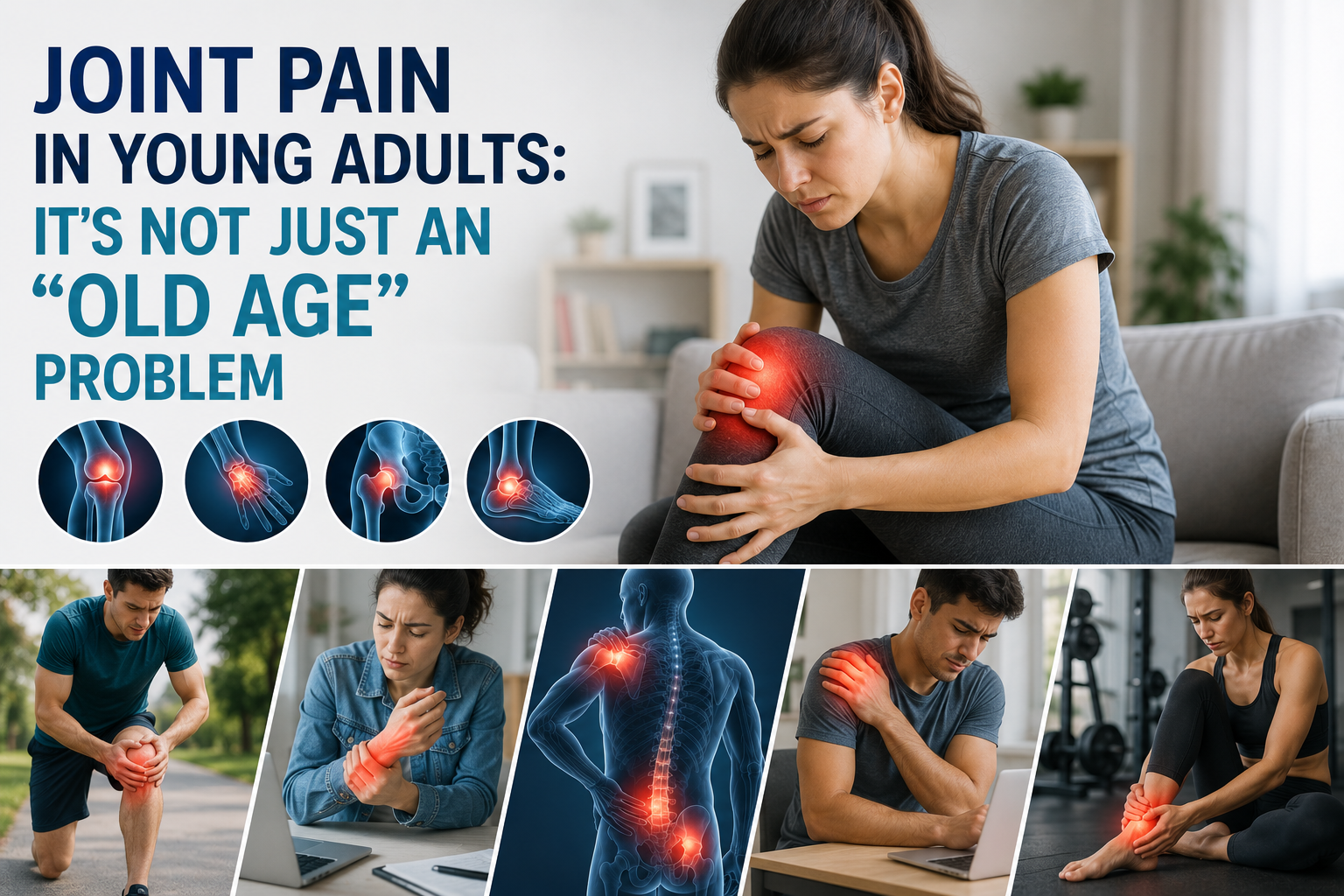

Chronic pain is more than just a physical sensation; it is a complex condition that affects your sleep, your mood, and your ability to engage with the world. Unlike acute pain, which acts as a temporary warning signal of injury, chronic pain persists for months or even years, often outlasting the original cause.
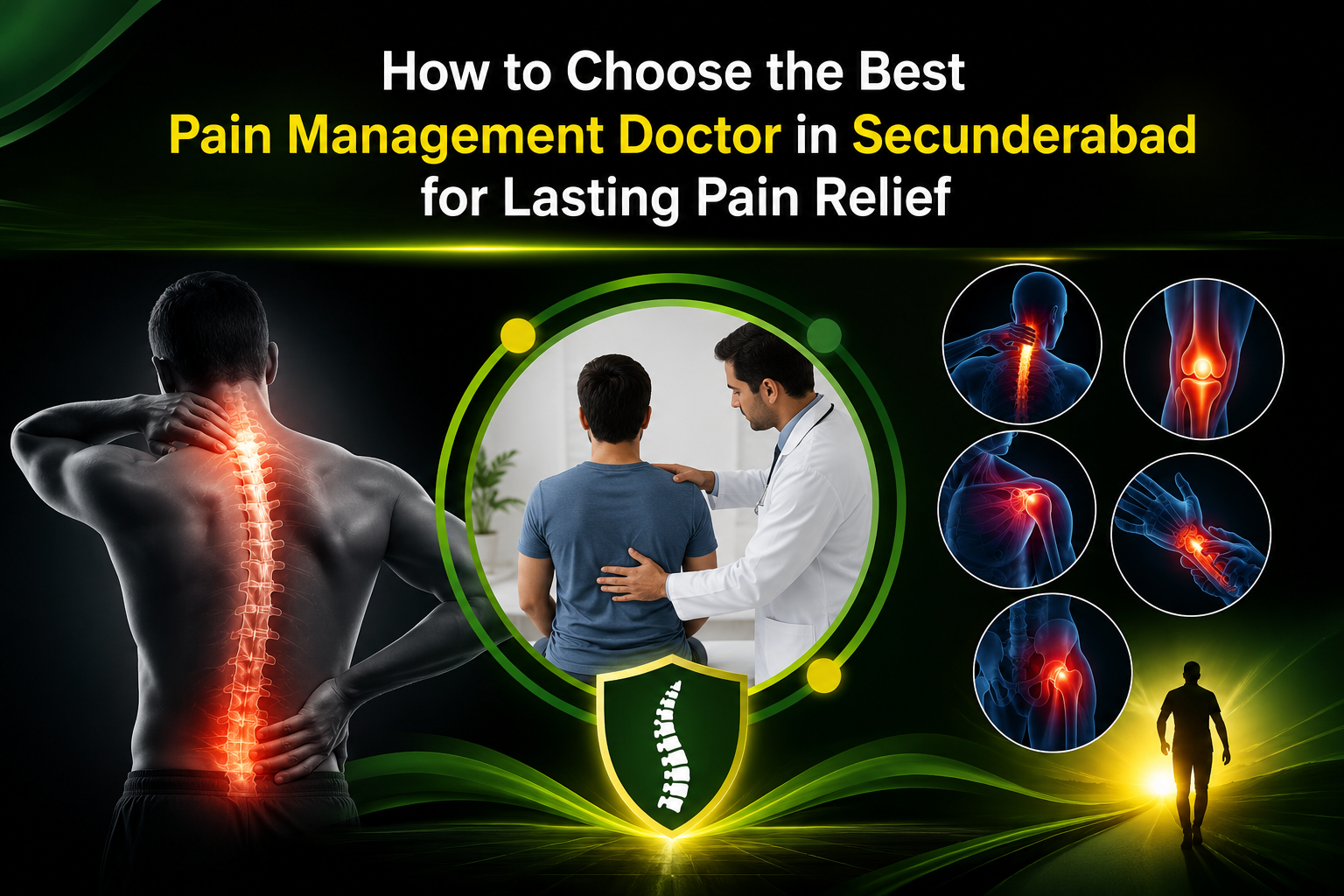
When pain reaches this stage, it requires more than just rest or standard medication. It requires a specialized approach. If you are searching for the Best Pain Management Doctor in Secunderabad, you are looking for a practitioner who views pain as a treatable condition in its own right, using a combination of advanced technology and compassionate care.
The Multidisciplinary Approach: A New Standard of Care
The most effective way to treat chronic pain is through a multidisciplinary approach. At Dr. Amarnath Reddy, we don’t just look at where it hurts; we look at why the pain has become chronic and how it is impacting your nervous system.
1. Advanced Diagnostics
The first step is a “deep dive” into the source of the pain. Chronic pain often involves “peripheral sensitization,” where the nerves become hypersensitive. By using high-resolution imaging and diagnostic nerve blocks, we can isolate the specific nerve or joint responsible for the distress.
2. Interventional Pain Management
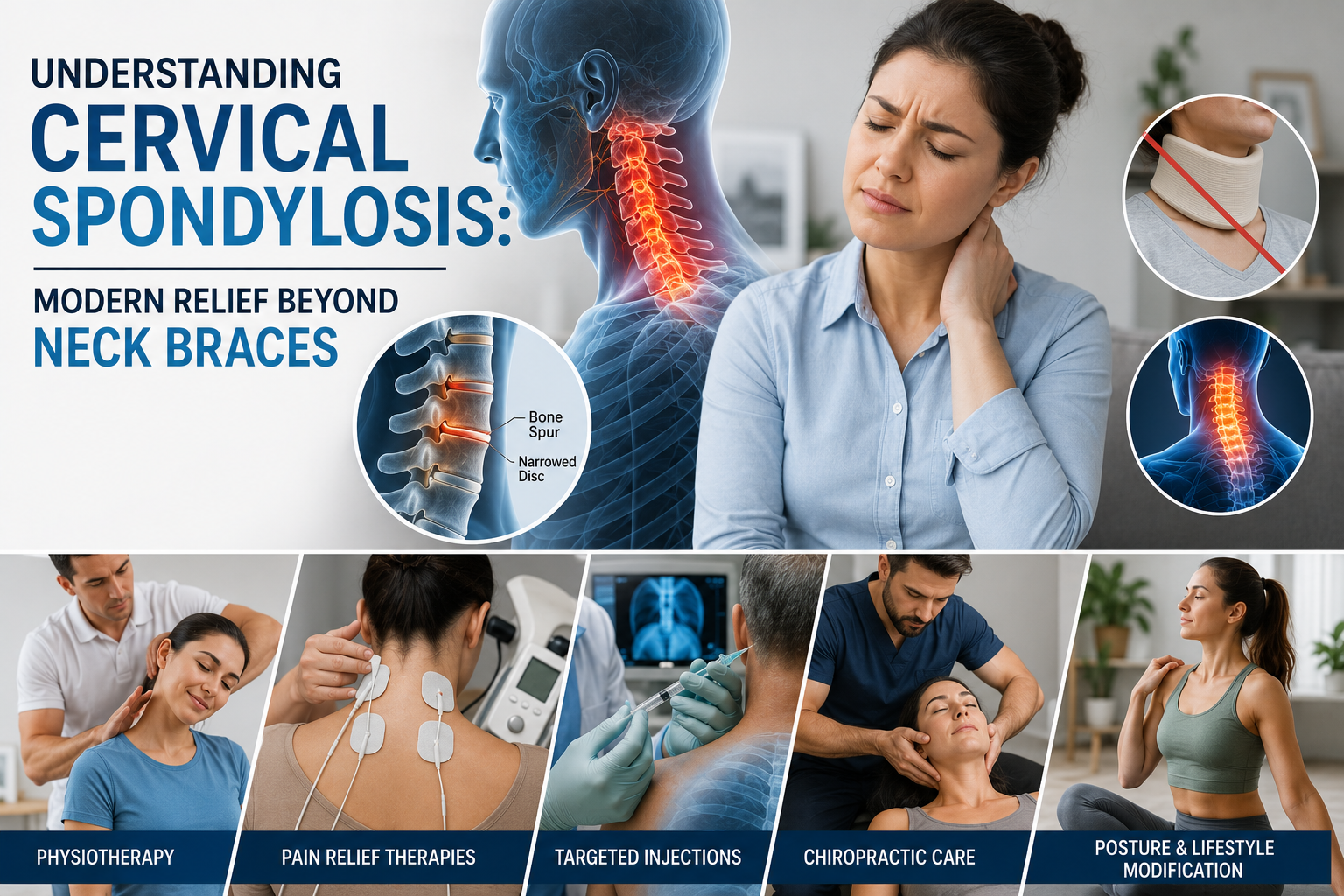
This is the core of modern pain medicine. Interventional treatments are minimally invasive procedures that target the pain at its source.
- Epidural Steroid Injections: Often used for sciatica or disc-related pain to reduce inflammation around spinal nerves.
- Radiofrequency Ablation (RFA): A sophisticated technique that uses radio waves to “silence” the nerves sending pain signals.
- Facet Joint Blocks: Targeted injections for those suffering from arthritis of the spine.
3. Regenerative Medicine
We are moving toward a future where we don’t just mask pain but help the body heal itself. Treatments like Platelet-Rich Plasma (PRP) therapy use the patient’s own growth factors to repair damaged tendons and ligaments, providing a long-term solution for chronic musculoskeletal pain.
4. Neuromodulation
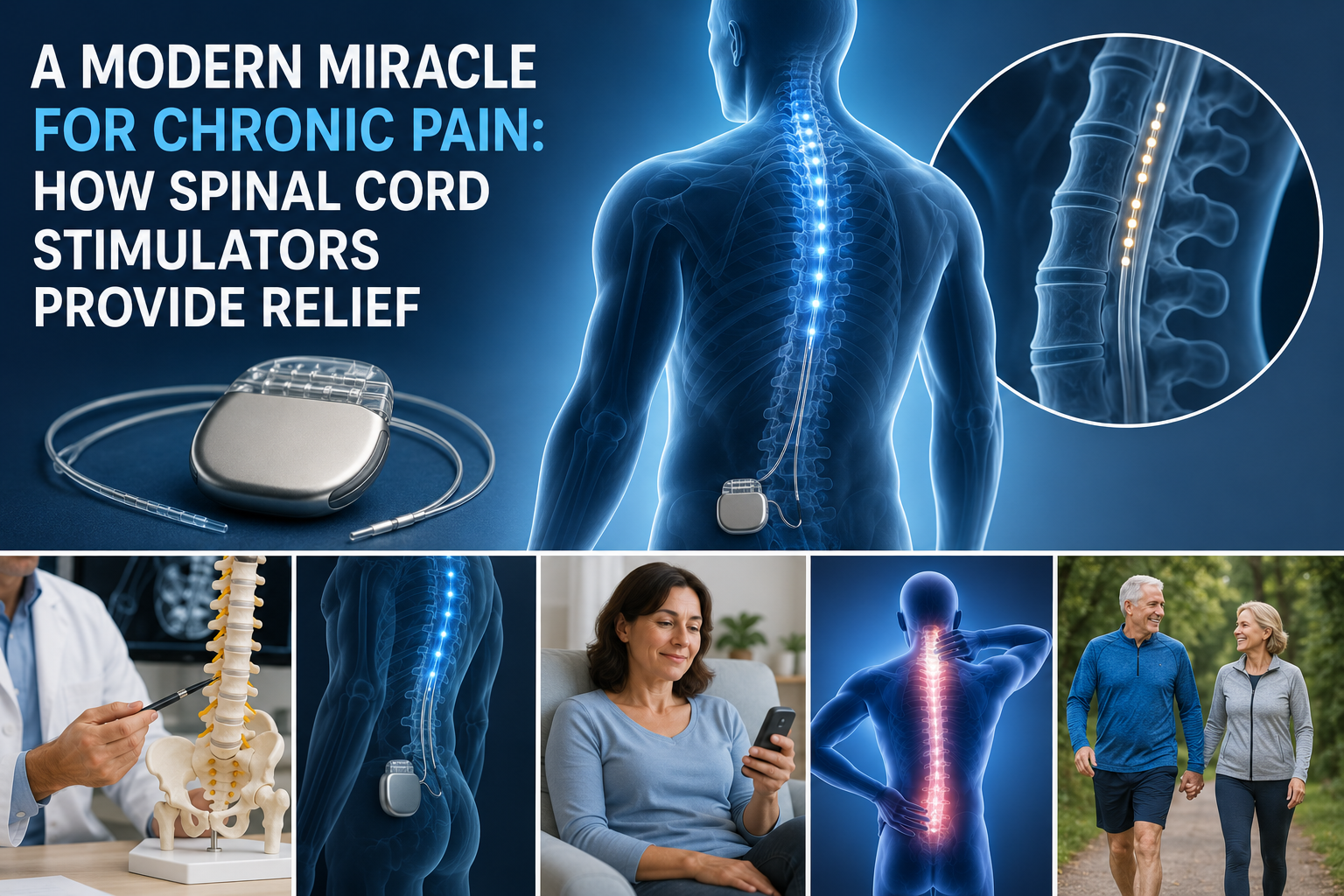
For patients with complex regional pain syndrome or failed back surgery syndrome, neuromodulation (such as Spinal Cord Stimulation) can be life-changing. These devices send mild electrical pulses to the spinal cord, replacing pain signals with a soothing sensation.
Why Personalization Matters
No two patients experience pain the same way. The Best Pain Management Doctor in Secunderabad will create a “Pain Management Roadmap” tailored to your specific history and goals. This might include a combination of interventional procedures, physical therapy to restore function, and psychological support to manage the mental toll of living with long-term pain.
By treating the “whole person” rather than just the “symptom,” we help patients move from a state of suffering to a state of living.
Frequently Asked Questions (FAQs)
1. Is chronic pain management just about taking painkillers?
Absolutely not. In fact, modern pain management aims to reduce the reliance on heavy medications, particularly opioids, which can have significant side effects. Our focus is on interventional procedures and regenerative therapies that address the underlying cause of the pain rather than just numbing it.
2. How do I know if I need a specialist instead of my regular doctor?
If your pain has lasted for more than 3 to 6 months, if it wakes you up at night, or if it has not responded to standard treatments like rest and basic anti-inflammatories, it is time to see a specialist. Early intervention is key to preventing the nervous system from becoming “permanently” sensitized to pain.
3. Are interventional procedures safe?
Yes. Most of these procedures are performed as outpatient treatments under local anesthesia. We use advanced guidance technology, such as Fluoroscopy (live X-ray) or Ultrasound, to ensure the needle is placed with millimeter-level precision, maximizing safety and effectiveness.
4. Can chronic pain be completely cured?
While “cure” is a strong word, many patients achieve significant, long-lasting relief that allows them to return to work, hobbies, and a normal social life. The goal is “functional restoration”—getting you back to doing the things you love with minimal to no discomfort.
5. What should I bring to my first appointment?
To provide the best care, please bring any recent imaging reports (MRI, CT scans, or X-rays), a list of medications you have tried in the past, and a “pain diary” if you have one. Understanding what makes your pain better or worse helps us reach a diagnosis faster.
Visit Dr. Amarnath Reddy B
Address:
Yashoda hospital, Alexander Rd, Kummari Guda, Shivaji Nagar, Secunderabad, Telangana 500003
Phone: +91 9032220848Email: drAmarnathnathnath.pain@gmail.com