
Advanced Neck Pain Treatment in Secunderabad Hyderabad
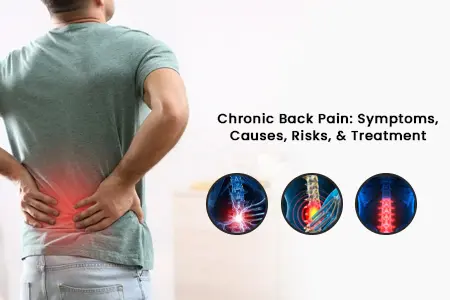
Advanced Neck Pain Treatment in Secunderabad , Hyderabad Chronic back pain is a common condition that affects millions of people worldwide. It can be debilitating and significantly impact your quality of life. Understanding the symptoms, causes, risks, and treatment options for chronic back pain is essential for managing and alleviating this condition. In this blog, we’ll explore these aspects and highlight how consulting with leading Best Pain Management Doctors in Hyderabad, such as Dr. Amarnath Reddy, can provide you with effective relief. Symptoms of Chronic Back Pain Chronic back pain is characterized by persistent pain that lasts for more than three months. Symptoms can vary in intensity and may include Causes of Chronic Back Pain Chronic back pain can result from a variety of underlying issues, including Risks and Contributing Factors Several factors can increase the risk of developing chronic back pain: Treatment Options for Chronic Back Pain Effective management of chronic back pain often involves a combination of treatments Medications: Why Consult Dr. Amarnath Reddy For comprehensive and expert management of chronic back pain, consulting with a specialist like Dr. Amarnath Reddy can provide significant benefits. As one of the Best Pain Management Specialists in Hyderabad, Dr. Reddy offers Conclusion Chronic back pain can be challenging, but understanding its symptoms, causes, and treatment options can help you manage and alleviate the discomfort. With the right combination of treatments and the guidance of leading Pain Management Doctors in Hyderabad, like Dr. Amarnath Reddy, you can find effective relief and improve your quality of life. If you are struggling with chronic back pain, contact us today to schedule a consultation with Dr. Amarnath Reddy and explore how personalized pain management solutions can support your journey to recovery and well-being.
Pain Management Tips and Resources
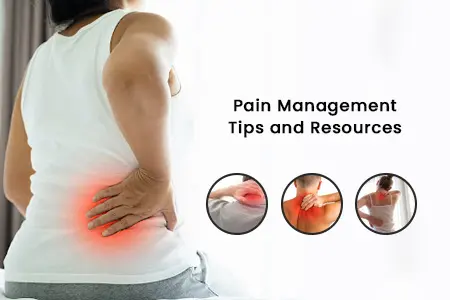
Managing chronic pain effectively involves a combination of medical treatment, lifestyle adjustments, and psychological support. Here are some tips and resources to help manage pain: Pain Management Tips: Resources for Pain Management: By integrating these tips and utilizing available resources, individuals can develop a comprehensive approach to managing chronic pain effectively, improving quality of life, and promoting overall well-being. Always consult with healthcare professionals for personalized advice and treatment recommendations based on your specific pain management needs. If you are seeking effective relief from chronic pain and a compassionate approach to care, schedule a consultation with Dr. Amarnath Reddy, the Best Pain Management Specialist in Hyderabad today. Discover how his expertise, dedication, and personalized treatment plans can help you regain control over your pain and enjoy a more fulfilling life. In choosing Dr. Amarnath Reddy, the Best Pain Relief Doctor in Hyderabad you are selecting a trusted partner in your journey towards improved pain management and overall well-being. Experience the difference that expert care and compassionate support can make under the guidance of Dr. Amarnath Reddy.
Tips for Lifestyle Changes to Improve Pain Management

Making lifestyle changes can significantly improve pain management and enhance overall well-being. Here are some tips to consider: 1. Regular Exercise: Engage in low-impact activities like walking, swimming, or yoga to strengthen muscles, improve flexibility, and reduce pain. Exercise releases endorphins, which are natural painkillers. 2. Healthy Diet: Maintain a balanced diet rich in fruits, vegetables, lean proteins, and whole grains. Avoid processed foods and excessive sugar, which can contribute to inflammation and worsen pain. 3. Weight Management: Achieve and maintain a healthy weight to reduce stress on joints and alleviate pain, especially in conditions like osteoarthritis or back pain. 4. Good Posture: Practice proper body mechanics and ergonomic principles to prevent strain on muscles and joints. Use supportive chairs and avoid prolonged sitting or standing in one position. 5. Stress Management: Practice relaxation techniques such as deep breathing, meditation, or mindfulness to reduce stress levels. Stress can exacerbate pain perception and muscle tension. 6. Quality Sleep: Establish a regular sleep schedule and create a comfortable sleep environment. Good sleep hygiene promotes healing and reduces pain sensitivity. 7. Quit Smoking: If you smoke, quitting can improve circulation, reduce inflammation, and enhance healing processes. Smoking can also interfere with pain medications and increase complications from surgeries. 8. Hydration: Drink plenty of water throughout the day to maintain hydration and support overall bodily functions, including joint lubrication and toxin removal. 9. Physical Therapy: Work with a physical therapist to develop a personalized exercise program and learn techniques for pain relief, stretching, and strengthening. 10. Pacing Activities: Balance rest with activity to avoid overexertion. Break tasks into smaller, manageable segments and alternate between periods of activity and rest. 11. Social Support: Stay connected with friends, family, or support groups to receive emotional support and share experiences. Managing chronic pain can be easier with a strong support network. 12. Mind-Body Therapies: Explore complementary therapies such as acupuncture, massage therapy, or biofeedback to alleviate pain and promote relaxation. By incorporating these lifestyle changes into your daily routine, you can effectively manage pain, improve mobility, and enhance your overall quality of life. Consult with healthcare professionals, including pain management specialists like Dr. Amarnath Reddy, the Best Pain Management Specialist in Hyderabad for personalized guidance and treatment recommendations based on your specific needs. Contact the Best Pain management Doctor in Hyderabad now-
Best Celiac Plexus Block Treatment Doctors in Secunderabad Hyderabad
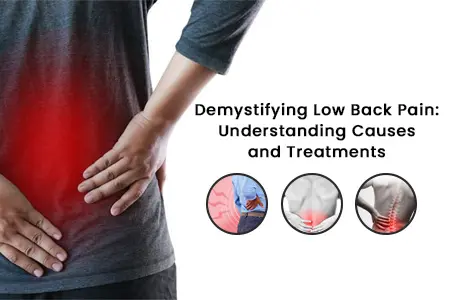
Low back pain is an incredibly common ailment that affects millions of people worldwide. It’s a pervasive issue that can disrupt daily life, causing discomfort and limiting mobility. With modern lifestyles becoming increasingly sedentary, the prevalence of low back pain is rising. Prolonged sitting, poor posture, and a lack of physical activity are all significant contributors to this problem. However, understanding the causes and treatments of low back pain can help manage and alleviate this condition. For Back pain treatment Hyderabad, contact Dr. Amarnath Reddy, a specialist dedicated to helping patients find relief and improve their quality of life. What is Low Back Pain? Low back pain is a discomfort in the lumbar region of the spine, which is the area between the lower ribcage and the pelvis. It can manifest as a dull ache, a sharp pain, or a burning sensation. The pain might be localized in one spot or radiate down the legs. In some cases, it can be accompanied by stiffness, decreased range of motion, or muscle spasms. Intercostal Nerve Block Treatment in Hyderabad . Causes of Low Back Pain Understanding the causes of low back pain is crucial for effective treatment. The causes can be broadly categorized into several groups: Muscle and Ligament Strain: This is one of the most common causes of low back pain. Heavy lifting, sudden movements, or awkward positions can strain the muscles and ligaments in the back, leading to pain and stiffness. Degenerative Disc Disease: As we age, the discs in our spine can degenerate or wear out, leading to pain. This condition can also result in herniated discs, where the disc’s inner material leaks out, pressing on spinal nerves and causing pain. Spinal Stenosis: This condition involves the narrowing of the spinal canal, which can put pressure on the spinal cord and nerves. It is often caused by age-related changes in the spine and can lead to pain, numbness, and weakness in the legs. Genicular Nerve Block Treatment in Hyderabad . Sciatica: This condition occurs when the sciatic nerve, which runs from the lower back down the legs, is compressed or irritated. It typically causes sharp, shooting pain in the lower back and legs. Scoliosis and Other Skeletal Irregularities: Abnormal curvatures or other skeletal irregularities can lead to chronic back pain. Scoliosis, for example, causes the spine to curve sideways, which can result in discomfort and mobility issues. Best Abdominal Pain Treatment in Hyderabad . Arthritis: Osteoarthritis and other forms of arthritis can affect the lower back, leading to inflammation, pain, and reduced flexibility. Arthritis in the spine can cause the space around the spinal cord to narrow, resulting in spinal stenosis. Genicular Nerve Block Treatment in Hyderabad . Infections and Tumors: Although less common, infections in the spine or tumors can cause significant back pain. These conditions require immediate medical attention. Best ACL Tear Treatment in Hyderabad . Lifestyle Factors: Poor posture, obesity, lack of exercise, and even stress can contribute to low back pain. Sitting for long periods, especially with inadequate back support, can strain the lower back muscles and lead to chronic pain. Advanced Shoulder Pain Treatment in Hyderabad . Treatments for Low Back Pain Treating low back pain requires a multifaceted approach that addresses the underlying causes and alleviates symptoms. Here are some common treatment options: Rest and Activity Modification: Short-term rest can help reduce acute pain, but prolonged inactivity can exacerbate the problem. Gradually resuming normal activities and avoiding activities that aggravate the pain is essential. Physical Therapy: Physical therapy is often recommended to strengthen the muscles supporting the spine, improve flexibility, and promote good posture. Exercises tailored to individual needs can help prevent future episodes of low back pain. Medications: Over-the-counter pain relievers like ibuprofen and acetaminophen can help manage pain. In some cases, muscle relaxants, anti-inflammatory drugs, or prescription pain medications may be necessary. Cancer Pain Treatment in Hyderabad . Hot and Cold Therapy: Applying heat or cold to the affected area can provide relief. Heat can relax tense muscles, while cold can reduce inflammation and numb the pain. Manual Therapies: Chiropractic adjustments, massage therapy, and acupuncture can provide relief for some individuals by addressing musculoskeletal issues and promoting natural healing. Injections: In cases of severe pain, corticosteroid injections may be used to reduce inflammation around the nerves or joints in the lower back. Lifestyle Changes: Addressing lifestyle factors is crucial for long-term relief. This includes maintaining a healthy weight, engaging in regular physical activity, practicing good posture, and using ergonomic furniture. Intercostal Nerve Block Treatment in Hyderabad . Surgery: Surgery is considered a last resort when other treatments have failed, and the pain is severe or disabling. Procedures such as discectomy, laminectomy, or spinal fusion may be performed to relieve pressure on the nerves or stabilize the spine. Best Celiac Plexus Block Treatment Doctors in Hyderabad . How Amarnath Hospital Helps in Treating Low Back Pain At Amarnath Hospital, we understand the debilitating effects of low back pain and are dedicated to providing comprehensive care tailored to each patient’s needs. Our multidisciplinary approach ensures that every aspect of the condition is addressed, from diagnosis to treatment and rehabilitation. Expert Diagnosis: Our team of specialists, led by Dr. Amarnath Reddy, conducts thorough evaluations to determine the root cause of your back pain. This may include physical examinations, imaging tests like X-rays, MRI, or CT scans, and other diagnostic procedures. Personalized Treatment Plans: We develop individualized treatment plans based on the specific needs and conditions of each patient. Whether it’s conservative management through physical therapy and medication or more advanced interventions, we ensure that every patient receives the most effective care Advanced Therapeutic Options: At Amarnath Hospital, we offer a range of advanced treatments, including minimally invasive surgical
Pain-Free Living: Proven Methods for Relief and Recovery

Living with chronic pain can be an exhausting and demoralizing experience. It affects every aspect of life, from simple daily tasks to overall well-being. However, a pain-free life is attainable through a variety of proven methods for relief and recovery. Modern lifestyles, characterized by sedentary behavior, poor posture, and high stress levels, often exacerbate pain issues. By understanding and addressing these factors, individuals can achieve significant improvements in their quality of life. For Pain management specialist in Hyderabad, contact Dr. Amarnath Reddy, a specialist dedicated to guiding patients towards a pain-free existence. Understanding Chronic Pain Chronic pain is persistent pain that lasts for weeks, months, or even years. Unlike acute pain, which serves as a warning signal for potential injury, chronic pain continues even after the initial cause has been resolved. It can stem from various conditions, including arthritis, fibromyalgia, nerve damage, and musculoskeletal disorders. Chronic pain can be debilitating, affecting physical, emotional, and mental health. Proven Methods for Pain Relief and Recovery Managing chronic pain effectively requires a holistic and personalized approach. Here are some proven methods to achieve relief and recovery: Physical Therapy: Physical therapy is a cornerstone of chronic pain management. It involves exercises and techniques designed to improve mobility, strength, and flexibility. Physical therapists create tailored programs that address specific pain points, helping to restore function and reduce pain. Medication Management: Medications can play a crucial role in managing chronic pain. Over-the-counter pain relievers, such as acetaminophen and nonsteroidal anti-inflammatory drugs (NSAIDs), can be effective for mild to moderate pain. For more severe pain, prescription medications like opioids, muscle relaxants, and antidepressants may be necessary. It’s essential to use medications under the guidance of a healthcare professional to avoid dependency and side effects. Mind-Body Techniques: Chronic pain often has a psychological component. Mind-body techniques such as mindfulness meditation, cognitive-behavioral therapy (CBT), and relaxation exercises can help manage pain by reducing stress, improving coping strategies, and altering pain perception. These techniques empower individuals to take control of their pain and enhance their overall well-being. Acupuncture: Acupuncture, an ancient Chinese practice, involves inserting thin needles into specific points on the body to relieve pain. It is believed to stimulate the body’s natural painkillers and improve energy flow. Many people find acupuncture to be an effective complementary treatment for various types of chronic pain. Chiropractic Care: Chiropractic care focuses on diagnosing and treating musculoskeletal disorders, particularly those related to the spine. Chiropractors use manual adjustments to correct misalignments, improve function, and reduce pain. This hands-on approach can be particularly beneficial for conditions like back pain and headaches. Massage Therapy: Massage therapy involves manipulating the body’s soft tissues to alleviate pain and promote relaxation. It can help reduce muscle tension, improve circulation, and enhance the body’s natural healing processes. Regular massage therapy sessions can significantly reduce chronic pain and improve overall quality of life. Lifestyle Modifications: Addressing lifestyle factors is crucial for long-term pain management. This includes maintaining a healthy weight, engaging in regular physical activity, practicing good posture, and avoiding prolonged periods of inactivity. Simple changes, such as using ergonomic furniture and taking regular breaks during prolonged sitting, can make a significant difference. Diet and Nutrition: A healthy diet can influence pain levels and overall health. Anti-inflammatory foods, such as fruits, vegetables, whole grains, and omega-3 fatty acids, can help reduce inflammation and pain. Staying hydrated and avoiding processed foods, excessive sugar, and unhealthy fats is also important. Heat and Cold Therapy: Applying heat or cold to painful areas can provide temporary relief. Heat therapy, such as warm baths or heating pads, can relax muscles and improve blood flow. Cold therapy, such as ice packs, can reduce inflammation and numb the area, providing pain relief. Interventional Procedures: For severe or persistent pain, interventional procedures like nerve blocks, epidural steroid injections, and radiofrequency ablation may be necessary. These procedures target specific nerves or areas to reduce pain and improve function. How Amarnath Reddy Helps in Achieving Pain-Free Living At Amarnath Reddy B, we are dedicated to helping patients achieve a pain-free life through comprehensive and personalized care. Chronic pain treatment in Hyderabad ensures that all aspects of chronic pain are addressed effectively. Expert Diagnosis: Our Pain management doctor in Hyderabad Dr. Amarnath Reddy, conducts thorough assessments to determine the underlying causes of pain. This involves detailed medical histories, physical examinations, and diagnostic tests such as imaging studies. Individualized Treatment Plans: We recognize that each patient’s pain experience is unique. We develop personalized treatment plans that combine various methods tailored to the specific needs and conditions of each patient. This ensures the most effective and holistic approach to pain management. Advanced Therapeutic Options: At Amarnath Hospital, we offer a wide range of advanced treatments, including minimally invasive surgical techniques, spinal injections, and state-of-the-art pain management therapies. Our goal is to provide relief while minimizing the impact on the patient’s daily life. Comprehensive Rehabilitation: Rehabilitation is an integral part of our pain management strategy. Our team of physical therapists works closely with patients to develop and implement exercise programs that enhance recovery, improve strength and flexibility, and prevent future pain episodes. Patient Education and Support: We believe in empowering patients with knowledge and tools to manage their pain. Our educational programs and support services ensure that patients understand their treatment options and are actively involved in their recovery process. Holistic Approach: We address all factors contributing to chronic pain, including lifestyle and psychological aspects. Our holistic approach ensures comprehensive care that promotes overall well-being and a higher quality of life. Chronic pain doesn’t have to define your life. With the right understanding and treatment, a pain-free existence is within reach. At Amarnath Hospital, we are committed to helping you achieve lasting relief and recovery. For expert care
Interventional Pain Procedures Explained Advancing Pain Management
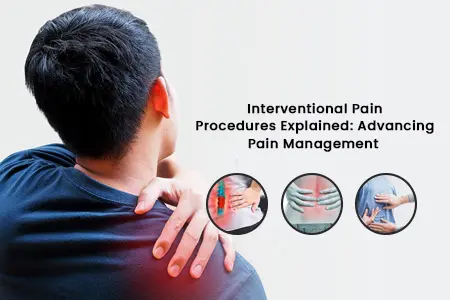
Interventional pain procedures are specialized techniques used to manage and alleviate chronic pain conditions effectively. Dr. Amarnath Reddy Best Pain Management Specialist in Hyderabad, utilizes these procedures to provide targeted relief and improve patients’ quality of life. Here’s an overview of common interventional pain procedures: 1. Epidural Steroid Injections: 2. Facet Joint Injections: 3. Radiofrequency Ablation (RFA): 4. Spinal Cord Stimulator (SCS) Implantation: 5. Intrathecal Pump Implantation: Why Choose Dr. Amarnath Reddy for Interventional Pain Procedures? Dr. Amarnath Reddy , the Pain management Doctors in Hyderabad combines extensive expertise in pain management with a patient-centered approach to care. Specializing in interventional pain procedures, Dr. Reddy tailors treatment plans to address each patient’s unique pain condition and medical history. His commitment to advanced techniques and compassionate care ensures that patients receive comprehensive pain relief strategies aimed at improving function and quality of life. If you are suffering from chronic pain and seeking effective relief through interventional procedures, schedule a consultation with Dr. Amarnath Reddy, the Pain management specialist in Hyderabad today. Discover how his specialized knowledge and dedication to patient well-being can help you achieve significant pain reduction and regain control over your life. In conclusion, interventional pain procedures offered by Dr. Amarnath Reddy represent cutting-edge solutions for managing chronic pain conditions. With his expertise and personalized approach to care, Dr. Reddy empowers patients to overcome pain and enhance their overall quality of life effectively.
Anatomy, Etiology, and Diagnosis of Spinal Cord Disorders Anatomy of the Spinal Cord
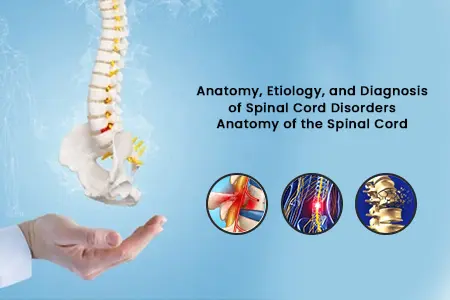
The spinal cord is a vital structure within the central nervous system (CNS), extending from the base of the brain down to the lower back, encased within the vertebral column. It is composed of nerve tissue organized into segments that correspond to different regions of the body: cervical, thoracic, lumbar, and sacral. The spinal cord’s primary functions are to transmit neural signals between the brain and the rest of the body and to coordinate reflexes. One of the Best Spine Surgeon in Hyderabad is Dr Amarnath for all your spinal cord issues. Etiology of Spinal Cord Disorders Spinal cord disorders can arise from various etiologies, including: Trauma: Physical injury from accidents, falls, or violence can lead to spinal cord injury (SCI), causing partial or complete loss of function below the injury site. Degenerative Diseases: Conditions like spinal stenosis, herniated discs, and degenerative disc disease can compress the spinal cord or nerve roots, leading to pain and neurological deficits. Infections: Bacterial, viral, or fungal infections, such as meningitis or epidural abscess, can cause inflammation and damage to the spinal cord. Inflammatory Diseases: Autoimmune conditions like multiple sclerosis (MS) or transverse myelitis result in inflammation and demyelination of spinal cord tissues. Tumors: Benign or malignant tumors can develop within or press against the spinal cord, disrupting its function. Vascular Disorders: Conditions like spinal cord infarction (stroke) or arteriovenous malformations (AVMs) can impair blood flow, leading to ischemia and tissue damage. Diagnosis of Spinal Cord Disorders Diagnosing spinal cord disorders involves a combination of clinical evaluation and advanced imaging techniques: Clinical Examination: A thorough neurological exam assesses motor and sensory function, reflexes, and coordination. Symptoms such as pain, weakness, numbness, and changes in bowel or bladder control provide essential diagnostic clues. Imaging Studies: – MRI (Magnetic Resonance Imaging): Provides detailed images of the spinal cord, revealing abnormalities such as herniated discs, tumors, and areas of inflammation. – CT (Computed Tomography) Scan: Offers high-resolution images of the bony structures surrounding the spinal cord, useful for detecting fractures and spinal stenosis. – X-rays: Help identify structural problems like fractures, degenerative changes, or scoliosis. Electrophysiological Tests: – EMG (Electromyography) and Nerve Conduction Studies: Assess the electrical activity of muscles and nerves, aiding in the diagnosis of nerve root compression or peripheral nerve disorders. Laboratory Tests: Blood tests and cerebrospinal fluid (CSF) analysis can help identify infections, autoimmune disorders, and metabolic conditions affecting the spinal cord. Biopsy: In cases of suspected tumors or infections, a biopsy may be performed to obtain tissue samples for pathological examination. The Importance of Taking Spinal Cord Diseases Seriously Spinal cord diseases are serious medical conditions that can have profound and often irreversible effects on an individual’s health, mobility, and quality of life. The spinal cord is a critical part of the central nervous system, responsible for transmitting messages between the brain and the rest of the body. Any disruption to its function can lead to significant physical, neurological, and psychological consequences. 1. Loss of Motor Function: Damage to the spinal cord can result in partial or complete paralysis, depending on the severity and location of the injury or disease. For example, injuries to the cervical spine can lead to quadriplegia, affecting all four limbs, while injuries lower down can cause paraplegia, affecting the lower limbs. This loss of motor function can severely impact a person’s independence and ability to perform daily activities. 2. Sensory Impairment: Spinal cord diseases can cause a loss of sensation, including the inability to feel pain, temperature, and touch. This can make individuals more prone to injuries and infections, as they might not be able to perceive harmful stimuli. Loss of proprioception, the sense of body position, can also lead to coordination issues and increased risk of falls. 3. Chronic Pain: Conditions such as spinal stenosis, herniated discs, and multiple sclerosis can cause chronic, debilitating pain. This pain can be difficult to manage and can significantly affect a person’s quality of life, leading to sleep disturbances, reduced physical activity, and mental health issues like depression and anxiety. 4. Autonomic Dysfunctions: The spinal cord also plays a role in regulating autonomic functions such as bladder and bowel control, blood pressure, and heart rate. Disorders can lead to complications like incontinence, urinary tract infections, and autonomic dysreflexia, a potentially life-threatening condition characterized by uncontrolled hypertension. 5. Potential for Progressive Worsening: Many spinal cord diseases, such as degenerative disc disease, multiple sclerosis, and certain tumors, can progressively worsen over time. Early diagnosis and intervention are crucial to slow disease progression and manage symptoms effectively. 6. Psychological Impact: Living with a spinal cord disorder can be mentally and emotionally challenging. The loss of independence, chronic pain, and uncertainty about the future can lead to psychological distress. Addressing mental health is a crucial component of managing spinal cord diseases. Given these serious implications, spinal cord diseases require prompt and comprehensive medical attention. Early diagnosis, effective treatment, and ongoing management are essential to mitigate the impact of these conditions and improve patient outcomes. Dr. Amarnath Reddy the Best Spine Specialist in Hyderabad is committed to providing expert care and support for individuals affected by spinal cord diseases, helping them navigate their health challenges and maintain their quality of life. Early and accurate diagnosis of spinal cord disorders is crucial for effective treatment and prevention of further complications. Dr. Amarnath Reddy the Best Spine Specialist Doctors in Hyderabad is dedicated to providing expert diagnosis and comprehensive care for patients with spinal cord disorders, ensuring optimal outcomes and improved quality of life.
Understanding Platelet-Rich Plasma (PRP) Therapy for Low Back Pain
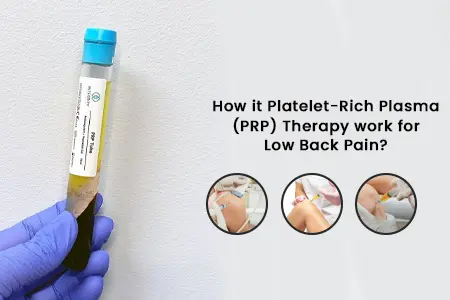
Introduction Low back pain is a prevalent condition that affects millions worldwide, impacting daily activities and quality of life. It can arise from various causes such as muscle strain, ligament sprain, herniated discs, or degenerative changes in the spine. For many sufferers, finding effective relief remains a significant challenge. Dr. Amarnath Reddy provides the Best PRP Treatment In Hyderabad and offers cutting-edge solutions for managing low back pain, including advanced PRP therapy. Here’s how PRP therapy works and why it’s gaining recognition in the field of pain management. Overview Platelet-Rich Plasma (PRP) therapy leverages the body’s natural healing mechanisms. It involves extracting a small amount of the patient’s blood, processing it to concentrate platelets, growth factors, and other bioactive proteins, and then injecting this concentration into the affected area. In the context of low back pain, PRP injections aim to promote tissue repair, reduce inflammation, and alleviate pain. Causes of Low Back Pain Low back pain can stem from several factors, including: – Muscle or ligament strain due to heavy lifting or sudden movements – Herniated discs that put pressure on nerve roots – Degenerative changes in spinal discs and joints – Skeletal irregularities like scoliosis – Osteoarthritis affecting the spine Identifying the underlying cause is crucial for tailoring effective treatment strategies. Symptoms of Low Back Pain Symptoms can vary widely, ranging from dull, achy sensations to sharp, stabbing pains. Some individuals experience stiffness, limited mobility, or radiating pain down the legs (sciatica). Chronic low back pain can significantly impair daily functioning and lead to psychological distress. The Serious Consequences of Neglecting Back Pain Neglecting back pain can lead to severe and long-lasting consequences. What might initially seem like a minor discomfort can progressively worsen, resulting in chronic pain that significantly impairs daily activities and quality of life. Chronic back pain can lead to decreased mobility, making it challenging to perform simple tasks like walking, sitting, or lifting objects. Unaddressed back pain can cause compensatory behaviors, such as altered posture and gait, which may lead to additional musculoskeletal issues. For instance, shifting weight to alleviate pain can strain other parts of the body, potentially causing hip, knee, or neck problems. Ignoring back pain can also impact mental health. Persistent pain is often associated with conditions like anxiety and depression, as the continuous discomfort can be mentally exhausting and debilitating. In some cases, what appears to be back pain may indicate a more serious underlying condition, such as a herniated disc, spinal stenosis, or even spinal infections or tumors. Early diagnosis and treatment are crucial to prevent complications that could lead to permanent nerve damage or other severe outcomes. – Osteoarthritis affecting the spine Identifying the underlying cause is crucial for tailoring effective treatment strategies. Symptoms of Low Back Pain Symptoms can vary widely, ranging from dull, achy sensations to sharp, stabbing pains. Some individuals experience stiffness, limited mobility, or radiating pain down the legs (sciatica). Chronic low back pain can significantly impair daily functioning and lead to psychological distress. The Serious Consequences of Neglecting Back Pain Neglecting back pain can lead to severe and long-lasting consequences. What might initially seem like a minor discomfort can progressively worsen, resulting in chronic pain that significantly impairs daily activities and quality of life. Chronic back pain can lead to decreased mobility, making it challenging to perform simple tasks like walking, sitting, or lifting objects. Unaddressed back pain can cause compensatory behaviors, such as altered posture and gait, which may lead to additional musculoskeletal issues. For instance, shifting weight to alleviate pain can strain other parts of the body, potentially causing hip, knee, or neck problems. Ignoring back pain can also impact mental health. Persistent pain is often associated with conditions like anxiety and depression, as the continuous discomfort can be mentally exhausting and debilitating. In some cases, what appears to be back pain may indicate a more serious underlying condition, such as a herniated disc, spinal stenosis, or even spinal infections or tumors. Early diagnosis and treatment are crucial to prevent complications that could lead to permanent nerve damage or other severe outcomes. Dr. Amarnath Reddy B specializes in PRP therapy, offering a cutting-edge solution for those suffering from chronic back pain. His expertise ensures that patients receive personalized, effective treatment aimed at long-term relief. Conclusion Dr. Amarnath Reddy offers Lower Back Pain Treatment in Hyderabad and specializes in innovative pain management solutions, including PRP therapy for low back pain. His expertise and dedication to patient care ensure that you receive personalized treatment aimed at restoring your mobility and improving your quality of life. Discover how PRP therapy can alleviate your low back pain and schedule a consultation today.
Best Treatment Options for Sacroiliac Joint Pain

Sacroiliac (SI) joint pain can significantly impact an individual’s quality of life, causing discomfort in the lower back and buttocks. Effective management of SI joint pain often involves a combination of treatments tailored to the patient’s specific condition and needs. Here are some of the best treatment options: 1. Physical Therapy: Physical therapy is a cornerstone in the treatment of SI joint pain. A physical therapist can develop a customized exercise program to strengthen the muscles around the SI joint, improve flexibility, and enhance stability. Techniques may include: – Stretching exercises to reduce tension in the muscles surrounding the SI joint. – Strengthening exercises for the core, glutes, and lower back muscles. – Manual therapy techniques, such as mobilization and manipulation, to improve joint function. 2. Medications: Over-the-counter pain relievers and anti-inflammatory medications, such as ibuprofen or naproxen, can help reduce pain and inflammation. In some cases, doctors may prescribe stronger medications or muscle relaxants. 3. SI Joint Injections: Corticosteroid injections directly into the SI joint can provide significant pain relief by reducing inflammation. These injections can be both diagnostic and therapeutic, helping to confirm the SI joint as the pain source and providing relief for several months. 4. Radiofrequency Ablation (RFA): For patients who do not respond to conservative treatments, RFA can be an effective option. This minimally invasive procedure uses heat to disrupt the nerves transmitting pain signals from the SI joint, providing longer-term relief. 5. Chiropractic Care: Chiropractors can use adjustments and manipulations to realign the SI joint and relieve pain. Chiropractic care often complements other treatments like physical therapy and medication. 6. Pelvic Belts and Supports: SI belts or pelvic supports can help stabilize the SI joint, reducing pain and discomfort during daily activities. These belts are particularly useful during acute flare-ups. 7. Lifestyle Modifications: Making certain lifestyle changes can help manage SI joint pain. These include: – Maintaining a healthy weight to reduce stress on the SI joint. – Avoiding activities that exacerbate the pain, such as heavy lifting or prolonged standing. – Practicing good posture and ergonomics. 8. Alternative Therapies: Complementary treatments such as acupuncture, massage therapy, and yoga may provide additional pain relief and improve overall well-being. 9. Surgery: In rare cases, when all other treatments have failed to provide relief, surgical options like SI joint fusion may be considered. This procedure stabilizes the joint by fusing the bones together, thereby reducing pain. Is Sacroiliac Joint Pain This Painful? Sacroiliac (SI) joint pain can be incredibly painful and debilitating, significantly impacting a person’s daily life. The SI joint, located where the sacrum meets the ilium in the pelvis, plays a critical role in stabilizing and supporting the upper body. When this joint becomes dysfunctional due to inflammation, injury, or other underlying conditions, it can cause severe pain. Individuals with SI joint pain often experience a deep, aching pain in the lower back and buttocks, which can radiate down to the thighs. This pain can make it difficult to sit, stand, walk, or even sleep comfortably. Movements that involve shifting weight from one leg to another, such as climbing stairs or getting out of a car, can exacerbate the pain, making simple daily tasks challenging. The intensity of the pain varies, ranging from a dull ache to sharp, stabbing sensations. For some, the pain may be intermittent, while others might endure chronic discomfort. This persistent pain can lead to secondary issues, such as muscle tension and reduced mobility, further impacting a person’s quality of life. Given its potential severity, SI joint pain should be taken seriously and addressed promptly with appropriate treatment to alleviate symptoms and improve function. Consulting a specialist like Dr. Amarnath Reddy Sacroiliac Joint Pain treatment in Hyderabad can provide effective management strategies tailored to the individual’s needs, offering relief and restoring mobility. Conclusion: The best treatment for SI joint pain often involves a multimodal approach tailored to the individual. Consulting with a specialist like Dr. Amarnath Reddy one of the Best Doctors For Sacroiliac Joint Pain Treatment can provide a comprehensive evaluation and personalized treatment plan, ensuring the most effective management of SI joint pain. Dr. Reddy’s Joint Pain Treatment in Hyderabad and expertise in pain management can help patients find relief and improve their quality of life through a combination of advanced medical treatments and supportive therapies.