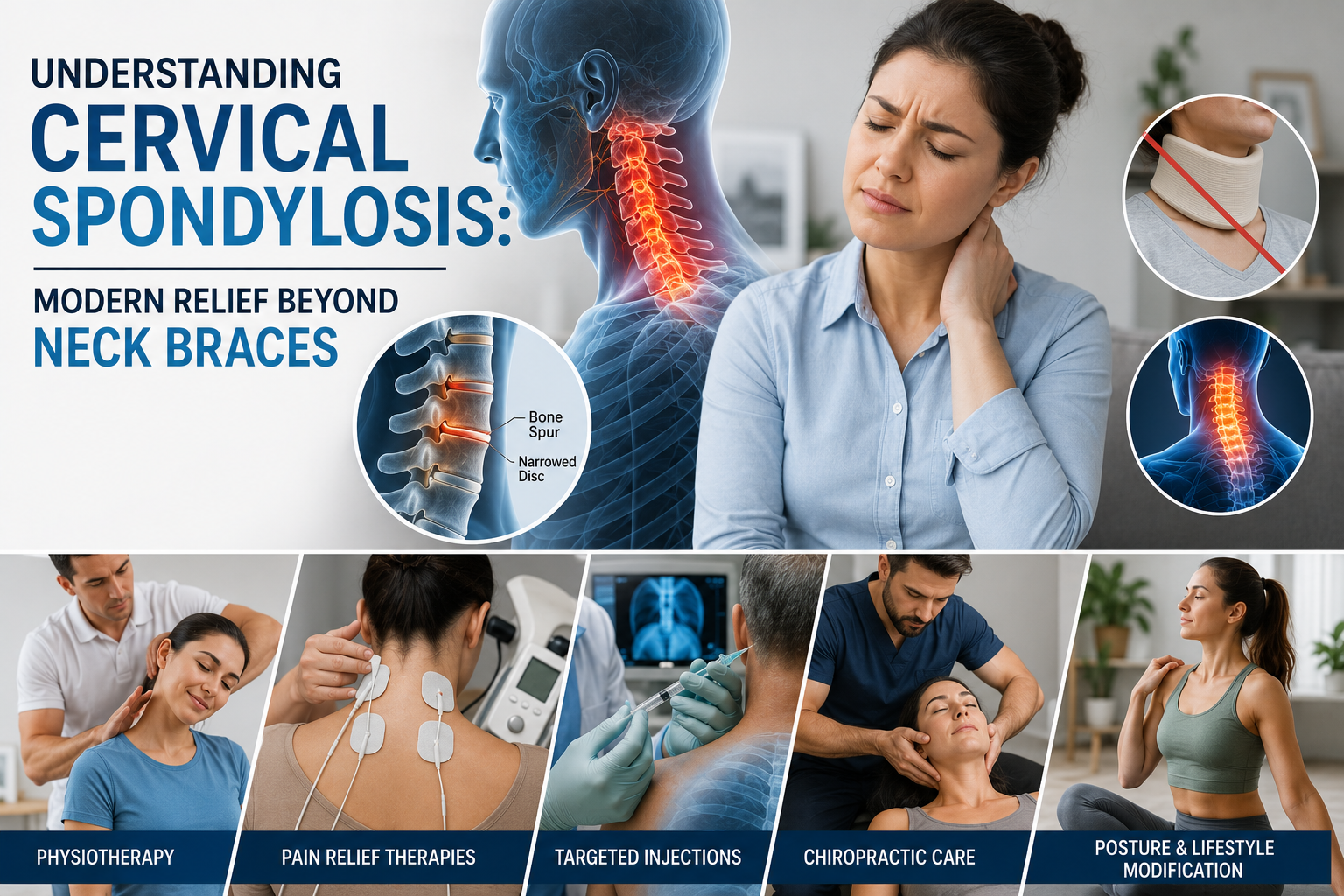

Chronic back pain is a debilitating condition that affects millions of people worldwide. Unlike acute pain, which is temporary and often related to an injury, chronic back pain persists for weeks, months, or even years. This type of pain can severely impact your quality of life, making it difficult to perform everyday activities, from sitting and standing to walking and lifting.
Living with chronic back pain can be overwhelming, but the good news is that effective management strategies are available. With the right approach, many people find relief and regain control over their lives. In this blog, we will explore the causes of chronic back pain and the various treatment options available to help manage it. Consulting an expert like Dr. Amarnath Reddy B, one of the best pain specialists in Hyderabad, is essential for developing a personalized treatment plan that addresses your unique needs.
Understanding Chronic Back Pain
Chronic back pain is defined as pain that lasts for 12 weeks or longer, even after the initial cause of pain—such as an injury or strain—has healed. It can affect any part of the back but is most common in the lower back region. The pain may be constant or intermittent and can vary in intensity from mild discomfort to severe, incapacitating pain.
Common Causes of Chronic Back Pain
Several factors can contribute to chronic back pain. Understanding the underlying cause is crucial for developing an effective treatment plan. Here are some of the most common causes
- Degenerative Disc Disease
As people age, the discs in their spine naturally wear down, leading to degenerative disc disease. This condition occurs when the discs, which act as cushions between the vertebrae, lose their ability to absorb shock. This can lead to pain, inflammation, and reduced flexibility in the spine.
Symptoms:
- Persistent pain in the lower back
- Pain that worsens with movement or sitting for long periods
- Stiffness and reduced range of motion
Treatment: Physical therapy, anti-inflammatory medications, and in some cases, surgery may be recommended for degenerative disc disease.
2. Herniated Disc
A herniated disc, also known as a slipped or ruptured disc, occurs when the soft, gel-like center of a spinal disc pushes through its tough outer layer. This can compress nearby nerves, causing pain, numbness, and weakness.
Symptoms:
- Sharp pain that radiates down the leg (sciatica)
- Numbness or tingling in the legs or feet
- Weakness in the lower back, legs, or feet
Treatment: Non-surgical treatments, such as physical therapy, pain medications, and epidural injections, are often effective. In more severe cases, surgery may be necessary.
3. Spinal Stenosis
Spinal stenosis occurs when the spaces within the spine narrow, putting pressure on the spinal cord and nerves. This condition is most common in older adults and can cause chronic pain, numbness, and weakness in the back and legs.
Symptoms:
- Pain in the lower back or neck
- Numbness or tingling in the legs or arms
- Weakness in the limbs
- Difficulty walking or standing for extended periods
Treatment: Conservative treatments like physical therapy, pain management, and anti-inflammatory medications are typically used first. In severe cases, surgery may be required to relieve pressure on the spinal cord.
4. Osteoarthritis
Osteoarthritis is a degenerative joint disease that can affect the spine. It occurs when the cartilage that cushions the joints wears down over time, leading to pain, inflammation, and stiffness. Osteoarthritis in the spine can result in chronic back pain, particularly in the lower back.
Symptoms:
- Pain and stiffness in the back
- Reduced flexibility and range of motion
- Pain that worsens with activity or prolonged periods of rest
Treatment: Treatment for osteoarthritis typically involves physical therapy, weight management, pain medications, and in some cases, joint injections to reduce inflammation.
5. Muscle Strain
Chronic back pain can also result from repeated muscle strain or overuse. This is common among individuals who engage in physical labor, heavy lifting, or repetitive motions that strain the muscles in the back.
Symptoms:
- Aching or stiffness in the back muscles
- Pain that worsens with movement
- Muscle spasms or tightness
Treatment: Rest, physical therapy, and anti-inflammatory medications are often effective in treating chronic muscle strain. Heat or cold therapy can also help reduce muscle tension and pain.
Treatment Options for Chronic Back Pain
Managing chronic back pain involves a multi-faceted approach that addresses both the symptoms and the underlying cause. Here are some of the most common treatment options available
1. Physical Therapy
Physical therapy is often the first line of treatment for chronic back pain. A physical therapist can design a personalized exercise program to strengthen the muscles supporting your spine, improve flexibility, and reduce pain. Stretching, strengthening exercises, and low-impact aerobic activities are typically recommended.
2. Medications
Pain management is a crucial part of treating chronic back pain. Over-the-counter pain relievers like ibuprofen or acetaminophen may be helpful for mild to moderate pain. For more severe pain, prescription medications, including muscle relaxants or opioids, may be prescribed.
3. Corticosteroid Injections
For individuals with severe inflammation in the spine, corticosteroid injections can provide relief by reducing swelling and inflammation around the nerves or joints. These injections are typically used for conditions like herniated discs or spinal stenosis.
4. Nerve Blocks
Nerve block injections can be used to temporarily block the pain signals from specific nerves in the spine. This treatment can provide relief from chronic pain while allowing time for other therapies, such as physical therapy, to take effect.
5. Radiofrequency Ablation
Radiofrequency ablation is a minimally invasive procedure that uses heat to target and destroy the nerves responsible for sending pain signals. This treatment is particularly useful for individuals with chronic back pain caused by conditions like facet joint arthritis.
6. Surgery
In cases where conservative treatments have failed to provide relief, surgery may be necessary. Surgical options vary depending on the underlying cause of the pain. For example, spinal fusion may be used to stabilize the spine, while a laminectomy can remove the part of the vertebrae causing pressure on the spinal cord.
7. Lifestyle Modifications
In addition to medical treatments, making certain lifestyle changes can help manage chronic back pain. Maintaining a healthy weight, practicing good posture, and staying active with low-impact exercises like swimming or walking can all contribute to long-term relief.
When to See a Pain Specialist
If you have been living with chronic back pain for an extended period and conservative treatments haven’t provided relief, it may be time to see a specialist. A pain management expert like Dr. Amarnath Reddy B, known as the best pain specialist in Hyderabad, can offer advanced treatments and a comprehensive approach to managing your pain.
Dr. Amarnath Reddy B specializes in diagnosing and treating chronic pain conditions and provides personalized care to help you regain your quality of life. Whether it’s through physical therapy, advanced injections, or minimally invasive procedures, consulting one of the Best Pain Doctors in Hyderabad can make a significant difference in managing your chronic back pain.
Conclusion
Chronic back pain can be a life-altering condition, but with the right treatment plan, it is possible to manage the pain and improve your quality of life. From physical therapy and medications to advanced procedures like nerve blocks and radiofrequency ablation, there are many options available to help you find relief. If you’re struggling with chronic back pain, seeking expert care from a specialist like Dr. Amarnath Reddy B, one of the best doctors in Hyderabad, can provide you with the comprehensive care needed to address your condition and restore your well-being.