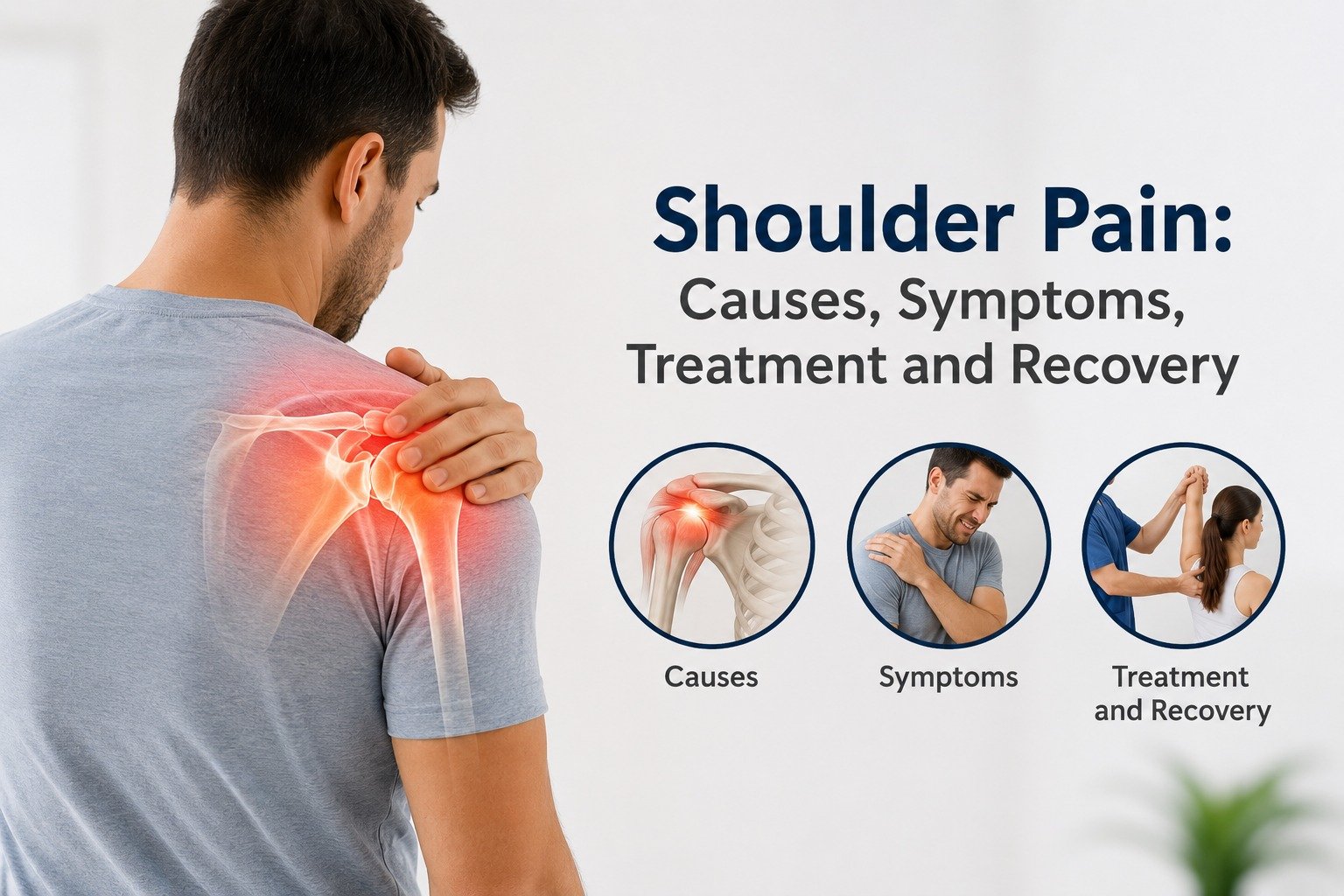

The shoulder is the most flexible joint in the human body. It allows you to lift, reach, swing your arms, and perform complex movements. However, this incredible range of motion comes at a cost: instability. Because the shoulder joint relies so heavily on muscles, tendons, and ligaments to stay in place rather than deep bony sockets, it is highly susceptible to injury and wear.
Whether it is a sharp catch when reaching for a seatbelt or a dull, deep ache that keeps you awake at night, shoulder pain can drastically reduce your quality of life. If you are seeking advanced Shoulder Pain Treatment in Secunderabad, understanding how a pain specialist evaluates and treats this complex joint without rushing into surgery is your first step toward true lasting relief.
Common Causes of Shoulder Pain
Shoulder pain rarely stems from just one issue. As a specialist, I often see conditions that overlap, involving both structural wear and localized inflammation.
1. Rotator Cuff Tendonitis and Tears
The rotator cuff is a group of four muscles and their tendons that keep the upper arm bone securely within the shoulder socket. Repetitive overhead movements—common in sports like badminton or occupations like painting—can cause inflammation (tendonitis) or physical tearing of these tissues.
2. Frozen Shoulder (Adhesive Capsulitis)
This condition is characterized by severe stiffness and pain that develops gradually. The connective tissue surrounding the joint becomes thick, tight, and inflamed. It is particularly common in individuals recovering from a medical illness, stroke, or those living with diabetes.
3. Shoulder Bursitis
Bursae are small, fluid-filled sacs that act as friction-reducing cushions between your bones and tendons. When these sacs become inflamed due to repetitive strain, even minor arm movements can cause a sharp, pinching pain.
4. Osteoarthritis
Over time, the smooth cartilage covering the shoulder bones can wear away. This leads to direct bone-on-bone friction, resulting in a deep, grinding ache and progressive loss of mobility.
Key Symptoms: When to Seek Professional Care
While occasional muscle soreness after heavy lifting is normal, certain signs indicate a deeper issue within the joint capsule. You should consult a specialist for dedicated Shoulder Pain Treatment if you experience:
- An inability to lift your arm to brush your hair or reach behind your back.
- A deep, throbbing ache that worsens specifically when you try to sleep on your side.
- A clicking, snapping, or catching sensation during routine movements.
- Pain that radiates down into your upper arm or biceps muscle.
Modern Non-Surgical Treatment Options
At Dr. Amarnath Reddy B, we believe in a tiered approach that exhausts all advanced interventional and biological pathways before considering open surgery. As the Best Pain Management Doctor in Secunderabad, I focus on treating the joint dynamically:
Ultrasound-Guided Injections
Blind injections often miss the exact point of inflammation. By utilizing high-resolution musculoskeletal ultrasound, we can guide anti-inflammatory medications precisely into the subacromial bursa or the glenohumeral joint space, ensuring maximum relief and minimal discomfort.
Platelet-Rich Plasma (PRP) Therapy
For partial rotator cuff tears or early-stage osteoarthritis, regenerative medicine offers a powerful solution. We extract a small amount of your own blood, concentrate the healing platelets, and inject them back into the damaged tendon. This stimulates the body’s natural biological repair mechanisms to fix micro-tears without surgery.
Suprascapular Nerve Blocks
For severe, intractable pain—such as advanced frozen shoulder—a targeted nerve block can temporarily “turn off” the main sensory nerve supplying the shoulder. This creates a critical pain-free window, allowing physical therapists to aggressively mobilize a stiff joint without causing agonising distress to the patient.
Recovery: Restoring Dynamic Function
True recovery is a collaborative effort. Once interventional treatments calm the baseline inflammation, targeted physical rehabilitation begins. We focus on strengthening the scapular stabilizers (the muscles around your shoulder blades) and correcting your posture, as rounded shoulders from prolonged desk work significantly increase the risk of shoulder impingement.
Frequently Asked Questions (FAQs)
1. Why does my shoulder pain feel so much worse at night?
When you lie down, gravity no longer pulls your arm downward, which allows the joint space to compress slightly. Furthermore, sleeping directly on an inflamed bursa or rotator cuff tendon cuts off blood supply, intensifying the inflammatory response and waking you up from sleep.
2. How can I distinguish between a neck problem and a shoulder problem?
If the pain stays strictly in the shoulder and worsens when you lift your arm, it is likely a local shoulder issue. However, if the pain feels like an electric shock traveling from your neck down past your elbow, or is accompanied by numbness in your fingers, it may actually be a pinched nerve in your cervical spine.
3. How long does a frozen shoulder take to heal without treatment?
Left entirely untreated, a frozen shoulder typically moves through three phases (freezing, frozen, and thawing) and can take anywhere from 18 to 36 months to resolve. Interventional treatments like nerve blocks or hydrodilatation can compress this painful timeline down significantly.
4. Is PRP therapy safe for older adults with shoulder arthritis?
Yes, completely. Because PRP uses your own blood components, there is virtually zero risk of allergic reaction or rejection. It is an excellent biological option for individuals who cannot take standard anti-inflammatory medications due to kidney or gastric issues.
5. Can I continue gym workouts if I have shoulder pain?
You should temporarily avoid overhead presses, lateral raises, and deep chest dips, as these put extreme mechanical stress on an inflamed rotator cuff. Switch to low-impact lower-body training or specific rotator cuff strengthening exercises under professional guidance.
Do not let shoulder stiffness limit your daily routine or ruin your sleep. Experience advanced, personalized care designed to restore your mobility.
consult with Dr. Amarnath Reddy, the trusted expert for Shoulder Pain Treatment in Secunderabad.