We don’t just treat pain—we help restore your quality of life.
Get timely diagnosis and expert treatment for lasting relief.
Tailbone pain, also known as coccydynia, is a condition that causes pain and discomfort at the base of the spine where the coccyx (tailbone) is located. It commonly develops after a fall, prolonged sitting, childbirth, or repetitive strain and can significantly affect daily activities such as sitting, standing, driving, or bending. Seeking timely evaluation from a pain management specialist can help identify the underlying cause and provide effective relief.
Tailbone pain is characterised by persistent pain or tenderness in the coccyx region. While many cases improve with conservative treatment, some individuals experience chronic pain that requires specialised medical care. At Dr. Amarnath’s Pain Management Clinic, we provide comprehensive assessment and personalised treatment plans to relieve pain, improve mobility, and help patients return to their normal activities comfortably.
Treatment for tailbone pain depends on the underlying cause, severity of symptoms, and duration of the condition. Many patients respond well to conservative measures such as activity modification, proper sitting posture, specially designed coccyx cushions, pain-relieving medications, and physiotherapy to strengthen supporting muscles and improve flexibility. Heat or cold therapy may also help reduce discomfort during the recovery period.
For patients with persistent or severe pain, advanced pain management techniques such as image-guided injections, nerve blocks, or regenerative therapies may be considered to reduce inflammation and provide long-lasting relief. In rare cases where conservative treatments fail and significant structural abnormalities are present, surgical removal of the coccyx (coccygectomy) may be recommended. Every treatment plan at Dr. Amarnath Reddy B is individualized to achieve effective pain relief while minimizing recovery time.
Patients are advised to avoid prolonged sitting, use supportive cushions, maintain proper posture, and gradually return to normal activities. Regular stretching exercises, physiotherapy, maintaining a healthy body weight, and following the doctor’s recommendations help promote healing and reduce the risk of recurrence.
If left untreated, tailbone pain can become chronic and interfere with daily activities, work, sleep, and overall quality of life. Persistent pain may lead to reduced mobility, poor posture, muscle stiffness, and emotional stress. Early diagnosis and appropriate treatment significantly reduce the risk of long-term complications.
Consult a pain management specialist if your tailbone pain persists for more than a few weeks, becomes severe, or affects your daily routine. Immediate medical attention is recommended if the pain follows a major injury, is associated with swelling, numbness, fever, weakness in the legs, or changes in bowel or bladder function. Early treatment helps relieve pain, restore mobility, and prevent chronic discomfort.

MBBS, M.D. (Anaesthesiology), FIPM, EDRA, Fellowship in Chronic Pain (University of Toronto)


Your care and comfort are our top priorities. We ensure that the patients are well informed prior to every step we take for their benefit and that their queries are effectively answered.
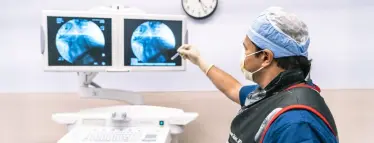
The Gleneagles Hospitals team stays up to date on the advancements in medical procedures and technologies. Experience the Future Healthcare Technologies now at Gleneagles Hospitals

Strengthening lives through compassionate care, innovative therapies and relentless efforts. It reflects in the DNA of our passionate team of doctors and dedicated clinical staff
Copyright © 2026 Dr Amarnath Reddy B, All rights reserved. Powered by PrigmaSoft Technologies
No WhatsApp Number Found!
WhatsApp us