

We don’t just treat pain—we help restore your quality of life.
Get timely diagnosis and expert treatment for lasting relief.
Cervical spondylosis is a common age-related condition that affects the bones, discs, and joints of the neck (cervical spine). Over time, the natural wear and tear of the spinal structures can lead to degeneration, causing stiffness, neck pain, and reduced flexibility. While cervical spondylosis is more common in people over the age of 40, it can also develop earlier due to poor posture, prolonged desk work, repetitive neck movements, previous injuries, or certain lifestyle factors. In many cases, the condition remains mild, but when the degenerative changes compress nearby nerves or the spinal cord, it can lead to significant pain and neurological symptoms that require specialized medical attention.
The primary cause of cervical spondylosis is the gradual degeneration of the cervical spine associated with aging. As spinal discs lose moisture and elasticity, they become thinner and less effective at absorbing shock. This can result in the formation of bone spurs (osteophytes), thickening of ligaments, and narrowing of the spaces through which nerves pass. Factors such as prolonged computer use, poor ergonomic posture, repetitive strain, smoking, obesity, genetic predisposition, previous neck trauma, and occupations requiring frequent neck movements may accelerate the development of cervical spondylosis.
The symptoms of cervical spondylosis can vary depending on the severity of spinal degeneration and whether nerves are affected. Many patients experience persistent or intermittent neck pain, stiffness, and difficulty turning the head. The pain may radiate to the shoulders, upper back, or arms. Some individuals notice numbness, tingling, or weakness in the hands and fingers due to nerve compression. Headaches that begin at the base of the skull, muscle spasms, reduced range of motion, and a grinding sensation during neck movement are also common. In more advanced cases involving spinal cord compression, patients may develop balance problems, difficulty walking, poor hand coordination, or changes in bladder or bowel function, which require immediate medical evaluation.
Diagnosing cervical spondylosis begins with a detailed medical history and physical examination. Your pain management specialist will evaluate your symptoms, neck mobility, muscle strength, reflexes, and nerve function to determine the extent of the condition. Imaging studies such as X-rays help identify bone spurs and degenerative changes, while MRI scans provide detailed visualization of discs, nerves, and the spinal cord. In selected cases, CT scans or nerve conduction studies may be recommended to assess nerve involvement and rule out other causes of neck pain. An accurate diagnosis allows the development of a personalized treatment plan that targets both pain relief and functional recovery.
Treatment for cervical spondylosis focuses on reducing pain, improving mobility, and preventing further complications. Mild cases often respond well to conservative treatments such as medications, activity modification, posture correction, and supervised physiotherapy aimed at strengthening neck muscles and improving flexibility. Lifestyle modifications, ergonomic adjustments, and guided exercises also play an important role in long-term management.
For patients with persistent or severe pain that does not improve with conservative measures, advanced pain management techniques may be recommended. These may include image-guided cervical epidural steroid injections, selective nerve root blocks, facet joint injections, medial branch blocks, or radiofrequency ablation to provide long-lasting pain relief by targeting the affected nerves. Surgical treatment is generally reserved for patients with significant spinal cord compression, progressive neurological deficits, or severe structural abnormalities when non-surgical treatments are no longer effective.
Recovery from cervical spondylosis depends on following the recommended treatment plan and maintaining healthy spinal habits. Patients are encouraged to continue prescribed neck exercises, maintain proper posture while working or using electronic devices, avoid prolonged periods of looking down, and take regular breaks during desk work. Sleeping with appropriate neck support, maintaining a healthy body weight, and participating in low-impact physical activities can help reduce strain on the cervical spine. Regular follow-up appointments allow your doctor to monitor recovery, assess symptom improvement, and make any necessary adjustments to the treatment plan.
If cervical spondylosis is left untreated, the condition may gradually worsen and lead to chronic neck pain, reduced mobility, and persistent nerve irritation. Ongoing compression of cervical nerves can result in weakness, numbness, and loss of function in the arms or hands. In more severe cases, spinal cord compression may cause cervical myelopathy, a serious condition that affects balance, coordination, walking ability, and bladder or bowel control. Early diagnosis and timely treatment significantly reduce the risk of these long-term complications and help preserve spinal function.
You should consult a pain management specialist if you experience persistent neck pain lasting more than a few weeks, pain that radiates into the shoulders or arms, frequent headaches associated with neck stiffness, or numbness and tingling in the upper limbs. Immediate medical attention is recommended if you develop sudden muscle weakness, difficulty walking, loss of balance, poor hand coordination, or problems with bladder or bowel control, as these may indicate spinal cord involvement. Early evaluation and appropriate treatment can relieve pain, improve quality of life, and prevent permanent neurological damage.

MBBS, M.D. (Anaesthesiology), FIPM, EDRA, Fellowship in Chronic Pain (University of Toronto)


Your care and comfort are our top priorities. We ensure that the patients are well informed prior to every step we take for their benefit and that their queries are effectively answered.
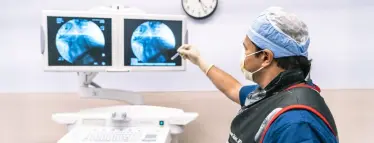
The Gleneagles Hospitals team stays up to date on the advancements in medical procedures and technologies. Experience the Future Healthcare Technologies now at Gleneagles Hospitals

Strengthening lives through compassionate care, innovative therapies and relentless efforts. It reflects in the DNA of our passionate team of doctors and dedicated clinical staff
Copyright © 2026 Dr Amarnath Reddy B, All rights reserved. Powered by PrigmaSoft Technologies
WhatsApp us