We don’t just treat pain—we help restore your quality of life.
Get timely diagnosis and expert treatment for lasting relief.
Spinal stenosis is a condition in which the spaces within the spine become narrower, placing pressure on the spinal cord and the nerves that travel through the spinal canal. It most commonly affects the lower back (lumbar spine) and the neck (cervical spine), although it can occur anywhere along the spine. The condition often develops gradually as part of the natural aging process, but it may also result from injury, arthritis, or certain spinal disorders. While some individuals experience mild symptoms, others may have significant pain, numbness, weakness, or difficulty walking that affects their daily activities and quality of life.
At Dr. Amarnath Reddy B Pain Center, we focus on identifying the root cause of spinal stenosis and providing personalized, evidence-based treatments that help relieve pain, improve mobility, and restore function while minimizing the need for surgery whenever possible.
Spinal stenosis usually develops due to age-related wear and tear of the spine. As the spine ages, the spinal discs lose moisture and height, the ligaments may thicken, and the joints can develop arthritis, leading to narrowing of the spinal canal. Bone spurs caused by osteoarthritis are among the most common contributors to nerve compression. Herniated discs, spinal injuries, congenital narrowing of the spinal canal, spinal tumors, and conditions such as scoliosis may also reduce the available space for the spinal cord or nerve roots.
Lifestyle factors such as repetitive spinal strain, obesity, poor posture, and physically demanding occupations may increase stress on the spine and contribute to the progression of symptoms.
The symptoms of spinal stenosis depend on the location and severity of nerve compression. Patients with lumbar spinal stenosis commonly experience lower back pain, numbness or tingling in the legs, weakness, and pain that worsens with prolonged standing or walking but improves when sitting or bending forward. Some individuals may develop neurogenic claudication, a condition characterized by cramping or heaviness in the legs after walking short distances.
When spinal stenosis affects the neck, symptoms may include neck pain, shoulder discomfort, numbness or weakness in the arms and hands, reduced coordination, balance problems, and difficulty performing fine motor tasks. In severe cases, compression of the spinal cord may interfere with bladder or bowel function and requires immediate medical attention.
An accurate diagnosis begins with a detailed medical history and comprehensive physical examination. During the evaluation, the doctor assesses pain patterns, muscle strength, sensation, reflexes, balance, and walking ability to identify signs of nerve compression.
Advanced imaging studies such as X-rays help evaluate spinal alignment and arthritis, while MRI scans provide detailed images of the spinal cord, nerves, discs, and soft tissues. CT scans may be recommended when additional bone detail is required or when MRI is not suitable. In selected cases, nerve conduction studies and electromyography (EMG) may be performed to evaluate nerve function and rule out other neurological conditions.
The treatment approach for spinal stenosis depends on the severity of symptoms, the extent of nerve compression, and the patient’s overall health. Mild to moderate cases often respond well to conservative management, including medications to reduce pain and inflammation, supervised physiotherapy, posture correction, stretching exercises, and activity modification.
At Dr. Amarnath Reddy B Pain Center, advanced non-surgical pain management procedures play an important role in treating spinal stenosis. Image-guided epidural steroid injections, selective nerve root blocks, facet joint injections, and other minimally invasive interventions can significantly reduce inflammation around compressed nerves and provide long-lasting pain relief. These procedures are performed with precision to improve comfort, enhance mobility, and support rehabilitation.
When conservative treatments no longer provide adequate relief or when significant neurological deficits develop, surgical decompression may be considered in consultation with a spine surgeon. Surgery aims to create more space for the affected nerves and relieve pressure on the spinal cord.
Recovery from spinal stenosis requires a combination of medical treatment, physical rehabilitation, and healthy lifestyle habits. Patients are encouraged to participate in structured physiotherapy programs that strengthen the muscles supporting the spine, improve flexibility, and restore functional movement. Maintaining good posture, practicing proper lifting techniques, managing body weight, and staying physically active can help reduce stress on the spine and lower the risk of symptom recurrence.
Regular follow-up appointments allow the treatment plan to be adjusted according to the patient’s progress and ensure optimal long-term outcomes.
If left untreated, spinal stenosis may lead to progressive nerve damage, chronic pain, muscle weakness, reduced mobility, and difficulty performing everyday activities. Persistent nerve compression can result in balance problems, frequent falls, and loss of independence. In advanced cases, severe compression of the spinal cord or nerve roots may cause permanent neurological damage, including loss of bladder or bowel control, which requires urgent medical evaluation and treatment.
Early diagnosis and timely intervention can help prevent these complications and preserve spinal function.
Medical evaluation is recommended if you experience persistent back or neck pain accompanied by numbness, tingling, weakness, or pain that radiates into the arms or legs. Difficulty walking, worsening symptoms despite rest or medication, frequent falls, or reduced ability to perform daily activities should not be ignored. Immediate medical attention is necessary if you develop sudden weakness, loss of bladder or bowel control, or severe neurological symptoms.
At Dr. Amarnath Reddy B Pain Center, patients receive comprehensive evaluation and individualized treatment for spinal stenosis using the latest diagnostic techniques and minimally invasive pain management procedures. Our goal is to relieve pain, restore mobility, improve quality of life, and help patients return to their normal daily activities with confidence.

MBBS, M.D. (Anaesthesiology), FIPM, EDRA, Fellowship in Chronic Pain (University of Toronto)

Your care and comfort are our top priorities. We ensure that the patients are well informed prior to every step we take for their benefit and that their queries are effectively answered.
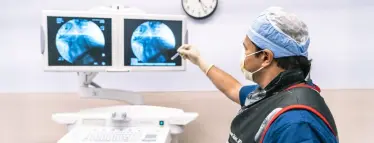
The Gleneagles Hospitals team stays up to date on the advancements in medical procedures and technologies. Experience the Future Healthcare Technologies now at Gleneagles Hospitals
Strengthening lives through compassionate care, innovative therapies and relentless efforts. It reflects in the DNA of our passionate team of doctors and dedicated clinical staff
Copyright © 2026 Dr Amarnath Reddy B, All rights reserved. Powered by PrigmaSoft Technologies
WhatsApp us