

We don’t just treat pain—we help restore your quality of life.
Get timely diagnosis and expert treatment for lasting relief.
Peripheral neuropathy is a condition that occurs when the peripheral nerves, which carry signals between the brain, spinal cord, and the rest of the body, become damaged or dysfunctional. These nerves play a vital role in controlling movement, sensation, and automatic body functions. When they are affected, patients may experience pain, numbness, tingling, weakness, or loss of coordination, often beginning in the hands or feet. Peripheral neuropathy can develop gradually or suddenly, depending on the underlying cause, and may significantly interfere with daily activities if left untreated. Early diagnosis and appropriate treatment can help relieve symptoms, slow disease progression, and improve overall quality of life.
Peripheral neuropathy can develop due to a wide range of medical conditions and lifestyle factors. Diabetes is one of the most common causes, leading to diabetic neuropathy through prolonged high blood sugar levels that damage nerves over time. Other causes include vitamin deficiencies, thyroid disorders, kidney disease, autoimmune conditions, infections, certain medications such as chemotherapy drugs, excessive alcohol consumption, and exposure to toxins. In some cases, nerve injuries resulting from accidents, repetitive stress, or surgeries may also contribute to peripheral nerve damage. Occasionally, the exact cause remains unknown, which is referred to as idiopathic peripheral neuropathy.
The symptoms of peripheral neuropathy vary depending on the type and severity of nerve involvement. Many patients initially notice numbness, tingling, or a burning sensation in the feet or hands, which may gradually spread upward. Some individuals experience sharp, stabbing, or electric shock-like pain, while others may develop muscle weakness, reduced balance, difficulty walking, or increased sensitivity to touch. In more advanced cases, peripheral neuropathy can affect the autonomic nerves, leading to symptoms such as dizziness on standing, digestive problems, abnormal sweating, or changes in bladder function. Since symptoms often worsen over time without treatment, early medical evaluation is important.
Diagnosing peripheral neuropathy begins with a detailed assessment of the patient’s medical history, symptoms, and physical examination. The doctor evaluates muscle strength, reflexes, coordination, and sensory function to determine the extent of nerve involvement. Depending on the suspected cause, blood tests may be recommended to identify diabetes, vitamin deficiencies, thyroid disorders, infections, or other underlying conditions. Advanced diagnostic studies such as nerve conduction studies (NCS), electromyography (EMG), imaging scans, or specialized nerve testing may also be performed to confirm the diagnosis and identify the affected nerves. An accurate diagnosis is essential for developing an effective, personalized treatment plan.
Treatment for peripheral neuropathy focuses on relieving symptoms, addressing the underlying cause, and preventing further nerve damage. Management may include medications to reduce nerve pain, improve nerve function, and control associated medical conditions such as diabetes. Physical therapy can help improve muscle strength, flexibility, balance, and mobility, while lifestyle modifications, including healthy nutrition, regular exercise, and avoiding alcohol or tobacco, may support nerve health.
For patients with persistent or severe nerve pain, advanced pain management techniques may be recommended. These can include nerve blocks, ultrasound-guided injections, regenerative therapies where appropriate, and other minimally invasive interventional pain procedures designed to reduce pain and improve function. Treatment is carefully tailored to each patient’s condition, severity of symptoms, and overall health, ensuring the best possible outcomes with a comprehensive and multidisciplinary approach.
Successful management of peripheral neuropathy continues beyond the initial treatment. Patients are encouraged to follow their prescribed medications, attend regular follow-up appointments, and actively participate in rehabilitation exercises when recommended. Good control of underlying conditions such as diabetes is essential to prevent further nerve damage. Maintaining a healthy lifestyle, eating a balanced diet rich in essential vitamins, protecting the hands and feet from injury, and wearing comfortable footwear can also help reduce complications. Ongoing monitoring allows the treatment plan to be adjusted based on symptom improvement and disease progression.
If peripheral neuropathy is left untreated, it can lead to progressive nerve damage and long-term complications. Persistent pain, worsening numbness, muscle weakness, balance problems, and difficulty performing everyday activities may develop over time. Reduced sensation, especially in the feet, increases the risk of unnoticed injuries, infections, ulcers, and delayed wound healing, particularly in individuals with diabetes. In severe cases, permanent nerve damage may occur, highlighting the importance of early diagnosis and timely medical intervention.
Medical evaluation is recommended if you experience persistent numbness, tingling, burning pain, muscle weakness, or changes in sensation in your hands or feet. You should also seek medical attention if symptoms interfere with walking, daily activities, sleep, or continue to worsen over time. Immediate consultation is important if nerve symptoms appear suddenly, are associated with severe weakness, or develop after an injury or infection. Early diagnosis and expert pain management can help identify the underlying cause, relieve symptoms effectively, and prevent further nerve damage, allowing patients to maintain a better quality of life.

MBBS, M.D. (Anaesthesiology), FIPM, EDRA, Fellowship in Chronic Pain (University of Toronto)


Your care and comfort are our top priorities. We ensure that the patients are well informed prior to every step we take for their benefit and that their queries are effectively answered.
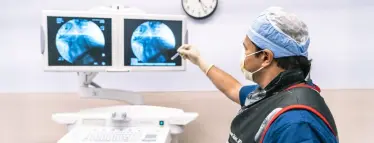
The Gleneagles Hospitals team stays up to date on the advancements in medical procedures and technologies. Experience the Future Healthcare Technologies now at Gleneagles Hospitals

Strengthening lives through compassionate care, innovative therapies and relentless efforts. It reflects in the DNA of our passionate team of doctors and dedicated clinical staff
Copyright © 2026 Dr Amarnath Reddy B, All rights reserved. Powered by PrigmaSoft Technologies
WhatsApp us