

We don’t just treat pain—we help restore your quality of life.
Get timely diagnosis and expert treatment for lasting relief.
Occipital neuralgia is a chronic pain condition that occurs when the occipital nerves, which run from the upper part of the spinal cord through the scalp, become irritated, inflamed, or compressed. These nerves are responsible for providing sensation to the back and top of the head. When affected, they can cause severe, sharp, or electric shock-like pain that often begins at the base of the skull and radiates toward the scalp, forehead, or behind the eyes. The condition is frequently mistaken for migraines or other types of headaches because the symptoms can overlap. However, occipital neuralgia has distinct underlying causes and requires a specialized approach to diagnosis and treatment. At Dr. Amarnath Reddy B Pain Center, comprehensive evaluation and evidence-based pain management techniques help identify the source of the pain and provide effective, long-lasting relief.
Occipital neuralgia develops when the occipital nerves become compressed, injured, or inflamed. This may occur due to muscle tightness in the neck, cervical spine disorders such as arthritis or degenerative disc disease, trauma to the head or neck, poor posture, repetitive neck strain, or prolonged periods of sitting with improper ergonomics. In some patients, nerve compression may result from tumors, infections, or vascular abnormalities, although these causes are less common. Medical conditions such as diabetes can also increase the risk of nerve damage. In certain cases, no definite cause is identified, and the condition is considered idiopathic. Identifying the underlying cause is essential for selecting the most appropriate treatment and preventing recurrent episodes.
The hallmark symptom of occipital neuralgia is sudden, intense, shooting, burning, or stabbing pain that originates near the base of the skull and travels toward the scalp. The pain may occur on one side or both sides of the head and can last from a few seconds to several minutes, sometimes recurring throughout the day. Many patients also experience persistent aching between episodes of sharp pain. The scalp may become extremely tender, making simple activities such as brushing the hair or resting the head on a pillow uncomfortable. Some individuals report pain behind the eyes, increased sensitivity to light, or discomfort during neck movement. Because these symptoms closely resemble migraine headaches, an accurate medical assessment is important to establish the correct diagnosis.
Diagnosing occipital neuralgia begins with a detailed review of the patient’s symptoms, medical history, and a thorough physical examination. The physician carefully evaluates the neck and scalp, checking for tenderness along the course of the occipital nerves and identifying movements that trigger pain. In many cases, a diagnostic occipital nerve block using a local anesthetic is performed. Significant pain relief following the injection strongly supports the diagnosis. Depending on the clinical findings, imaging studies such as X-rays, CT scans, or MRI scans may be recommended to identify structural abnormalities, cervical spine conditions, or other underlying causes contributing to nerve irritation. An accurate diagnosis ensures that treatment is directed toward the root cause rather than only controlling symptoms.
Treatment for occipital neuralgia focuses on relieving pain, reducing nerve inflammation, and addressing the underlying cause whenever possible. Mild cases may improve with medications such as anti-inflammatory drugs, muscle relaxants, or medications that target nerve-related pain. Physical therapy, posture correction, stretching exercises, and ergonomic modifications often help reduce muscle tension and relieve pressure on the occipital nerves. For patients with persistent or severe symptoms, minimally invasive pain management procedures can provide significant relief. Occipital nerve blocks, corticosteroid injections, radiofrequency ablation, and ultrasound-guided interventional pain procedures are highly effective options for many individuals. In rare cases where conservative and interventional treatments fail, surgical decompression of the affected nerve may be considered. A personalized treatment plan is developed based on the patient’s condition, severity of symptoms, and overall health.
Proper post-treatment care plays an important role in maintaining long-term pain relief and reducing the likelihood of recurrence. Patients are encouraged to follow their prescribed medications, perform recommended neck exercises, and attend scheduled follow-up appointments to monitor recovery. Maintaining good posture during daily activities, using ergonomic workstations, and avoiding prolonged neck strain can help protect the occipital nerves. Regular stretching, stress management techniques, and adequate sleep also contribute to improved muscle relaxation and nerve health. Patients who undergo interventional pain procedures should follow their physician’s instructions regarding activity restrictions and recovery to achieve the best possible outcomes.
If occipital neuralgia is left untreated, the recurring pain can significantly affect daily activities, work performance, sleep quality, and emotional well-being. Persistent pain may lead to chronic headaches, reduced neck mobility, anxiety, and decreased quality of life. In some cases, patients may rely excessively on pain medications, increasing the risk of medication-related side effects. Although interventional pain procedures are generally safe when performed by experienced specialists, they may carry minor risks such as temporary soreness, bruising, infection, bleeding, or allergic reactions. Serious complications are uncommon, and careful evaluation helps minimize these risks.
Patients should seek medical attention if they experience recurring sharp or electric shock-like pain at the back of the head, persistent headaches that do not improve with routine medications, scalp tenderness, or neck pain associated with radiating discomfort. Immediate medical evaluation is recommended if the pain follows a head or neck injury, is accompanied by weakness, numbness, vision changes, fever, confusion, or any other neurological symptoms. Early diagnosis and timely treatment can prevent the condition from becoming chronic and help patients regain comfort, mobility, and a better quality of life. Consulting a qualified pain management specialist ensures an accurate diagnosis and access to advanced, personalized treatment options for lasting pain relief.

MBBS, M.D. (Anaesthesiology), FIPM, EDRA, Fellowship in Chronic Pain (University of Toronto)


Your care and comfort are our top priorities. We ensure that the patients are well informed prior to every step we take for their benefit and that their queries are effectively answered.
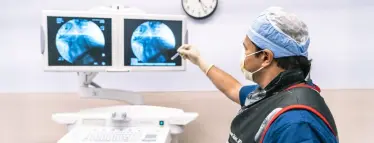
The Gleneagles Hospitals team stays up to date on the advancements in medical procedures and technologies. Experience the Future Healthcare Technologies now at Gleneagles Hospitals

Strengthening lives through compassionate care, innovative therapies and relentless efforts. It reflects in the DNA of our passionate team of doctors and dedicated clinical staff
Copyright © 2026 Dr Amarnath Reddy B, All rights reserved. Powered by PrigmaSoft Technologies
WhatsApp us