We don’t just treat pain—we help restore your quality of life.
Get timely diagnosis and expert treatment for lasting relief.
Cervical disc pain is a common condition that develops when one or more discs in the neck become damaged, worn out, or herniated. These spinal discs act as cushions between the vertebrae, allowing smooth movement while absorbing shock. When a disc loses its normal structure or presses against nearby nerves, it can lead to persistent neck pain, stiffness, and pain that radiates to the shoulders or arms. If left untreated, cervical disc problems may interfere with daily activities and reduce overall quality of life.
At Dr. Amarnath Reddy B’s clinic, cervical disc pain is evaluated with a patient-centered approach to identify the exact cause of discomfort. The goal of treatment is not only to relieve pain but also to restore mobility, improve spinal function, and help patients return to their normal lifestyle with long-lasting relief.
Cervical disc pain can result from several factors, with age-related degeneration being one of the most common. As people grow older, spinal discs gradually lose their flexibility and moisture, making them more susceptible to wear and tear. Poor posture, prolonged use of computers or mobile devices, repetitive neck movements, and occupations that place continuous strain on the neck can also contribute to disc problems.
In some cases, cervical disc pain develops after a sudden injury such as a fall, sports-related trauma, or a road traffic accident. Excess body weight, smoking, lack of regular physical activity, and certain genetic factors may further increase the risk of developing cervical disc disorders.
The symptoms of cervical disc pain vary depending on the severity of the condition and whether nearby nerves are affected. Most patients experience persistent neck pain that may worsen with movement or prolonged sitting. Neck stiffness, reduced range of motion, and muscle tightness are also common complaints.
When a herniated or damaged disc compresses a nerve root, pain may travel into the shoulder, arm, or hand. Some individuals experience tingling, numbness, weakness, or a burning sensation in the upper limbs. In advanced cases where the spinal cord is involved, patients may develop problems with balance, coordination, or hand function, requiring immediate medical attention.
An accurate diagnosis is essential for planning the most effective treatment. Dr. Amarnath Reddy B begins with a detailed discussion of the patient’s symptoms, medical history, daily activities, and any previous injuries. A comprehensive physical examination is performed to evaluate neck movement, muscle strength, reflexes, and nerve function.
Depending on the clinical findings, imaging studies such as X-rays, MRI scans, or CT scans may be recommended to assess the condition of the cervical discs and surrounding structures. In selected cases, nerve conduction studies or electromyography (EMG) may also be advised to evaluate nerve involvement and rule out other neurological conditions.
Treatment for cervical disc pain is tailored according to the severity of symptoms and the underlying cause. Most patients respond well to conservative management, which may include medications to reduce pain and inflammation, activity modification, physiotherapy, posture correction, and supervised neck-strengthening exercises. Lifestyle modifications and ergonomic improvements also play an important role in preventing further stress on the cervical spine.
For patients with persistent pain that does not improve with conservative care, advanced pain management procedures may be recommended. Image-guided cervical epidural steroid injections, nerve blocks, or other minimally invasive interventional treatments can effectively reduce inflammation and provide lasting pain relief. In cases involving severe spinal cord compression or significant neurological deficits, surgical consultation may be necessary to restore spinal stability and relieve pressure on the affected nerves.
Recovery following cervical disc pain treatment depends on the type of treatment received and the patient’s overall health. Following medical advice carefully is essential for achieving the best possible outcome. Patients are encouraged to maintain proper posture, avoid sudden neck movements, and perform prescribed rehabilitation exercises regularly to strengthen the supporting muscles of the neck.
Regular follow-up appointments help monitor progress and ensure continued recovery. Maintaining a healthy weight, staying physically active, using ergonomic workstations, and avoiding prolonged periods of poor posture can significantly reduce the likelihood of recurrence.
If cervical disc pain is left untreated, it can gradually worsen and lead to chronic neck pain, persistent nerve compression, and reduced mobility. Ongoing pressure on the nerves may cause permanent numbness, muscle weakness, or loss of function in the arms and hands. Severe compression of the spinal cord may result in difficulties with walking, balance, coordination, or bladder and bowel control, making timely medical evaluation essential.
Although modern treatment methods are generally safe and effective, every medical procedure carries some risks. Dr. Amarnath Reddy B carefully evaluates each patient, explains the available treatment options, and recommends the safest and most appropriate approach based on individual needs.
Patients should seek medical attention if neck pain persists for more than a few days, becomes increasingly severe, or interferes with daily activities. Immediate evaluation is recommended if neck pain is accompanied by pain radiating into the arms, numbness, tingling, muscle weakness, loss of coordination, difficulty walking, or problems with bladder or bowel function.
Early diagnosis and timely treatment can prevent complications and improve long-term outcomes. Consulting Dr. Amarnath Reddy B at the earliest signs of cervical disc pain allows patients to receive an accurate diagnosis and a personalized treatment plan designed to relieve pain, restore function, and improve overall quality of life.

MBBS, M.D. (Anaesthesiology), FIPM, EDRA, Fellowship in Chronic Pain (University of Toronto)


Your care and comfort are our top priorities. We ensure that the patients are well informed prior to every step we take for their benefit and that their queries are effectively answered.
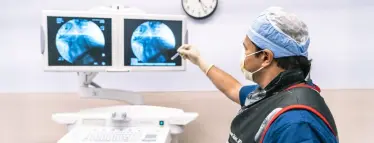
The Gleneagles Hospitals team stays up to date on the advancements in medical procedures and technologies. Experience the Future Healthcare Technologies now at Gleneagles Hospitals

Strengthening lives through compassionate care, innovative therapies and relentless efforts. It reflects in the DNA of our passionate team of doctors and dedicated clinical staff
Copyright © 2026 Dr Amarnath Reddy B, All rights reserved. Powered by PrigmaSoft Technologies
No WhatsApp Number Found!
WhatsApp us