

We don’t just treat pain—we help restore your quality of life.
Get timely diagnosis and expert treatment for lasting relief.
Knee Radiofrequency Ablation (Knee RFA) is a minimally invasive pain management procedure designed to provide long-lasting relief for individuals suffering from chronic knee pain. This advanced treatment works by using controlled radiofrequency energy to interrupt pain signals transmitted by specific nerves around the knee joint. Knee RFA is particularly beneficial for patients with osteoarthritis, persistent knee pain after surgery, or those who are not suitable candidates for knee replacement surgery. By reducing pain without affecting the structural function of the knee, the procedure helps patients regain mobility, improve daily activities, and enjoy a better quality of life. It is performed on an outpatient basis with minimal discomfort and a relatively quick recovery period.
Chronic knee pain can develop due to several underlying conditions that affect the joints, bones, ligaments, cartilage, or surrounding tissues. Osteoarthritis is the most common cause, resulting from the gradual wear and tear of cartilage that cushions the knee joint. Other causes include rheumatoid arthritis, previous knee injuries, ligament tears, meniscus damage, fractures, and persistent pain following knee replacement surgery. Age-related degeneration, obesity, repetitive stress from physical activities, and inflammatory joint diseases can also contribute to ongoing knee discomfort. When conservative treatments no longer provide adequate relief, Knee RFA may be considered as an effective pain management option.
Patients who may benefit from Knee RFA often experience persistent knee pain that interferes with everyday activities such as walking, climbing stairs, standing for prolonged periods, or exercising. The pain may be dull, aching, sharp, or accompanied by stiffness and reduced flexibility. Many individuals also notice swelling, tenderness around the knee, grinding sensations during movement, and difficulty bearing weight on the affected leg. Chronic pain that continues despite medications, physiotherapy, or joint injections may indicate the need for further evaluation and advanced treatment options.
A thorough medical evaluation is essential before recommending Knee RFA. The diagnosis begins with a detailed review of the patient’s medical history, symptoms, and previous treatments. A comprehensive physical examination helps assess joint movement, stability, and areas of tenderness. Imaging studies such as X-rays, MRI scans, or CT scans may be performed to identify the underlying cause of knee pain and determine the extent of joint damage. In many cases, a diagnostic nerve block is carried out before the procedure. This involves injecting a local anesthetic near the targeted nerves to confirm that they are responsible for transmitting the pain. Significant temporary pain relief following the nerve block indicates that the patient is likely to benefit from Knee RFA.
Treatment for chronic knee pain depends on the severity of the condition and the patient’s overall health. Initial management typically includes lifestyle modifications, weight management, physiotherapy, pain-relieving medications, anti-inflammatory drugs, and corticosteroid or hyaluronic acid injections. For patients who continue to experience significant pain despite these conservative measures, Knee Radiofrequency Ablation offers an effective minimally invasive alternative. During the procedure, a specialized needle is guided precisely to the target nerves using imaging techniques such as fluoroscopy or ultrasound. Controlled radiofrequency energy is then delivered to interrupt the transmission of pain signals while preserving normal joint function. The procedure generally takes less than an hour, and many patients experience substantial pain relief lasting several months or even longer.
Following Knee RFA, patients are usually observed briefly before being discharged on the same day. Mild soreness or discomfort at the treatment site may occur for a few days and typically resolves with simple pain medications and ice application. Most individuals are encouraged to resume light daily activities within 24 to 48 hours while avoiding strenuous exercise for a short period as advised by the physician. Physiotherapy, regular stretching, strengthening exercises, maintaining a healthy body weight, and following a joint-friendly lifestyle can further enhance the benefits of the procedure. Regular follow-up appointments help monitor progress and ensure optimal long-term pain management.
Knee Radiofrequency Ablation is considered a safe procedure with a low risk of complications when performed by an experienced pain management specialist. Minor side effects such as temporary swelling, bruising, numbness, or mild discomfort at the insertion site are usually short-lived. In rare cases, patients may develop infection, bleeding, allergic reactions, temporary weakness, or incomplete pain relief. Although the treated nerves may gradually regenerate over time, allowing pain to return, the procedure can often be repeated safely if necessary. Careful patient selection and proper technique significantly reduce the likelihood of complications.
You should consult a pain management specialist if knee pain persists for several weeks, limits your ability to walk or perform daily activities, or does not improve with medications, physiotherapy, or injections. Increasing pain, swelling, stiffness, instability, or difficulty bearing weight should also be evaluated promptly. Individuals experiencing chronic knee pain due to osteoarthritis or persistent pain after knee surgery may benefit from an assessment to determine whether Knee Radiofrequency Ablation is an appropriate treatment option. Early evaluation and timely intervention can help relieve pain, improve mobility, and enhance overall quality of life.

MBBS, M.D. (Anaesthesiology), FIPM, EDRA, Fellowship in Chronic Pain (University of Toronto)


Your care and comfort are our top priorities. We ensure that the patients are well informed prior to every step we take for their benefit and that their queries are effectively answered.
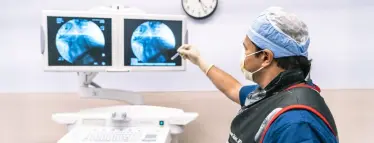
The Gleneagles Hospitals team stays up to date on the advancements in medical procedures and technologies. Experience the Future Healthcare Technologies now at Gleneagles Hospitals

Strengthening lives through compassionate care, innovative therapies and relentless efforts. It reflects in the DNA of our passionate team of doctors and dedicated clinical staff
Copyright © 2026 Dr Amarnath Reddy B, All rights reserved. Powered by PrigmaSoft Technologies
No WhatsApp Number Found!
WhatsApp us