

We don’t just treat pain—we help restore your quality of life.
Get timely diagnosis and expert treatment for lasting relief.
Bone cancer pain is one of the most challenging symptoms experienced by patients with primary bone cancer or cancers that have spread to the bones from other parts of the body. The pain may begin as a mild discomfort but often becomes persistent and more intense as the disease progresses. It can interfere with movement, sleep, daily activities, and overall quality of life. While treating the underlying cancer remains the primary goal, effective pain management is equally important in helping patients remain comfortable and maintain their independence. At Dr. Amarnath Reddy B Pain Center, a comprehensive and patient-centered approach is used to evaluate the source of pain and provide personalized treatment strategies that improve comfort and support overall well-being.
Bone cancer pain occurs when cancer cells damage the normal structure of the bone and surrounding tissues. As the tumor grows, it can weaken the bone, increase pressure within the affected area, and irritate nearby nerves, leading to persistent pain. Bone pain is also common in metastatic cancer, where cancers such as breast, prostate, lung, kidney, or thyroid cancer spread to the bones. In some cases, pain may result from fractures caused by weakened bones, inflammation around the tumor, or complications related to cancer treatments such as surgery, chemotherapy, or radiation therapy. The intensity and location of pain vary depending on the size, location, and stage of the disease.
Bone cancer pain is often described as a deep, aching, or throbbing pain that may initially occur only during activity or at night but gradually becomes constant. The affected area may be tender, swollen, or warm to the touch. Some patients experience reduced mobility, stiffness, or difficulty bearing weight if the cancer affects the legs, hips, or spine. Advanced disease may increase the risk of pathological fractures, causing sudden severe pain. If cancer spreads to the spine, symptoms such as numbness, weakness, or changes in bladder and bowel function may occur and require immediate medical attention. Fatigue, unexplained weight loss, and general weakness may also accompany the condition.
Diagnosing bone cancer pain involves a detailed clinical evaluation to determine the cause, severity, and impact of the pain. The doctor reviews the patient’s medical history, performs a physical examination, and assesses how the pain affects daily activities. Imaging studies such as X-rays, CT scans, MRI scans, PET scans, and bone scans help identify the location and extent of bone involvement. Blood tests may provide additional information, while a biopsy is often necessary to confirm the diagnosis of bone cancer. Accurate diagnosis allows the healthcare team to develop a treatment plan that addresses both the cancer and the associated pain effectively.
Treatment for bone cancer pain is individualized based on the type of cancer, its stage, the patient’s overall health, and the severity of symptoms. Pain management may include medications such as nonsteroidal anti-inflammatory drugs (NSAIDs), analgesics, and opioid medications when appropriate. Adjuvant medications may also be prescribed to manage nerve-related pain. Interventional pain management techniques, including nerve blocks, epidural injections, radiofrequency ablation, or advanced image-guided procedures, can provide significant relief when medications alone are insufficient. Radiation therapy is often highly effective in reducing pain caused by bone metastases, while surgery may be recommended to stabilize weakened bones or remove tumors when appropriate. A multidisciplinary approach involving oncologists, pain specialists, physiotherapists, and rehabilitation experts helps optimize pain control and improve quality of life.
Ongoing care after treatment plays a vital role in maintaining pain relief and supporting recovery. Regular follow-up appointments allow the doctor to monitor pain levels, evaluate treatment effectiveness, and make necessary adjustments to the pain management plan. Physical therapy and guided rehabilitation can help improve mobility, strengthen muscles, and restore functional independence. Patients are encouraged to maintain balanced nutrition, stay physically active within safe limits, and follow prescribed medications carefully. Emotional and psychological support, including counseling when needed, also contributes significantly to improving overall well-being and helping patients cope with the challenges of living with cancer-related pain.
If bone cancer pain is not managed appropriately, it can significantly affect physical, emotional, and social well-being. Persistent pain may lead to reduced mobility, muscle weakness, sleep disturbances, anxiety, depression, and decreased independence. Progressive bone damage increases the risk of fractures and spinal instability, particularly when the spine is involved. Severe pain can also interfere with cancer treatment by limiting a patient’s ability to participate in rehabilitation or tolerate ongoing therapies. Early and effective pain management helps reduce these complications and enhances overall quality of life.
Patients should seek medical attention if they experience persistent bone pain that does not improve with rest, pain that becomes progressively worse, swelling around a bone or joint, unexplained fractures, or difficulty walking and performing routine activities. Immediate medical evaluation is essential if severe back pain is accompanied by numbness, weakness, or loss of bladder or bowel control, as these symptoms may indicate spinal cord compression. Individuals with a history of cancer who develop new or worsening bone pain should consult a pain specialist or oncologist without delay. Early diagnosis and timely intervention can help relieve pain, prevent complications, and improve long-term comfort and quality of life.

MBBS, M.D. (Anaesthesiology), FIPM, EDRA, Fellowship in Chronic Pain (University of Toronto)


Your care and comfort are our top priorities. We ensure that the patients are well informed prior to every step we take for their benefit and that their queries are effectively answered.
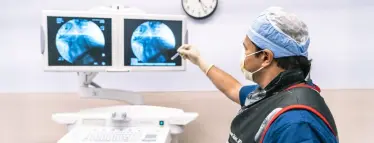
The Gleneagles Hospitals team stays up to date on the advancements in medical procedures and technologies. Experience the Future Healthcare Technologies now at Gleneagles Hospitals

Strengthening lives through compassionate care, innovative therapies and relentless efforts. It reflects in the DNA of our passionate team of doctors and dedicated clinical staff
Copyright © 2026 Dr Amarnath Reddy B, All rights reserved. Powered by PrigmaSoft Technologies
WhatsApp us