Know The Symptoms of a Slip Disc and Sciatica
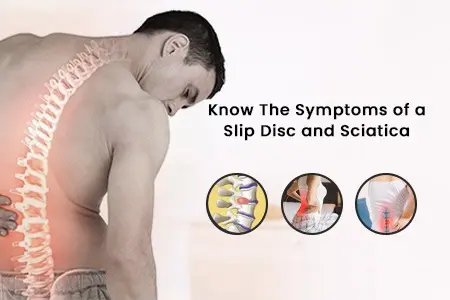
Back pain can be a serious concern, especially when it disrupts your daily activities and quality of life. Two of the most common causes of back and leg pain are a slip disc and sciatica, both of which can cause discomfort, immobility, and even long-term complications if left untreated. Understanding the symptoms and seeking prompt medical attention are key to managing these conditions effectively. In this blog, we’ll dive into the symptoms, causes, and treatment options for a slip disc and sciatica, helping you recognize when it’s time to consult a medical expert, like Dr. Amarnath Reddy B, a highly regarded pain specialist. What is a Slip Disc? A slip disc, also known as a herniated disc, occurs when one of the soft, gel-like discs between the vertebrae in your spine slips out of place or ruptures. These discs act as cushions for the spine, allowing flexibility and movement. When one of these discs is damaged or compressed, it can push on nearby nerves, resulting in pain, numbness, and weakness. Symptoms of a Slip Disc The symptoms of a slip disc can vary depending on the location of the herniation and the severity of the nerve compression. Here are some of the most common signs 1. Back Pain One of the primary symptoms of a slip disc is sharp or burning pain in the lower back. This pain can be intense and may radiate down into the buttocks, legs, or arms, depending on where the disc is located. Pain often worsens with movement, bending, or lifting. 2. Leg Pain (Sciatica) If the slipped disc is pressing on the sciatic nerve, you may experience pain that radiates down the leg. This condition is known as sciatica and is often described as a shooting, burning, or electric-like pain that travels from the lower back through the buttock and down the leg. 3. Numbness or Tingling Many people with a slip disc experience numbness or tingling in the affected area. This may occur in the back, buttocks, legs, or feet. If the disc is compressing a nerve, it can reduce sensation in the area, leading to these unusual sensations. 4. Weakness A slipped disc can cause muscle weakness in the areas controlled by the affected nerves. This may result in difficulty lifting objects, standing up from a seated position, or even walking. Muscle weakness may also lead to problems with coordination and balance. 5. Pain Worsens with Movement Simple activities such as coughing, sneezing, or bending may worsen the pain, as these actions can increase pressure on the affected nerve. 6. Difficulty Standing or Sitting People with a slip disc often find it challenging to maintain certain positions. Prolonged sitting or standing can exacerbate the pain, leading to discomfort and stiffness. What is Sciatica? Sciatica is a condition that occurs when the sciatic nerve—the longest nerve in the body, running from the lower back down through the legs—becomes compressed or irritated. The sciatic nerve controls sensation and movement in the lower extremities, so any compression can result in pain, tingling, and numbness that radiates along the nerve’s path. A slip disc is one of the most common causes of sciatica, but other conditions like spinal stenosis or a pinched nerve can also lead to sciatica. Symptoms of Sciatica Sciatica symptoms typically include pain that starts in the lower back and radiates down one leg. Some of the common symptoms are: 1. Radiating Leg Pain The most distinct symptom of sciatica is a sharp, burning pain that starts in the lower back or buttock and travels down one leg. In some cases, the pain can extend to the foot. 2. Numbness and Tingling People with sciatica often experience numbness, tingling, or a “pins and needles” sensation along the affected nerve. This usually occurs in the leg, calf, or foot. 3. Muscle Weakness Sciatica can cause muscle weakness in the affected leg, leading to difficulty walking, standing, or maintaining balance. In severe cases, foot drop—a condition where you can’t lift the front part of your foot—may occur. 4. Pain During Movement Activities like bending, standing, sitting for long periods, or lifting can trigger sciatic pain or make it worse. The pain often lessens when lying down or moving into a different position. 5. One-Sided Symptoms Sciatica typically affects only one side of the body. While the pain can be severe, it’s rare for it to occur on both sides at the same time. Causes of a Slip Disc and Sciatica While a slipped disc can cause sciatica, several factors can contribute to both conditions. These include 1. Age As we age, the discs in our spine naturally lose water content and become less flexible, making them more prone to tears and ruptures. 2. Injury An injury, such as lifting a heavy object or a sudden twist or jerk, can cause a disc to slip or lead to sciatica. 3. Obesity Carrying excess weight places additional stress on the spine, increasing the risk of disc herniation and sciatica. 4. Sedentary Lifestyle Lack of physical activity and prolonged sitting can weaken the muscles supporting your spine, making you more vulnerable to back problems. 5. Occupation Jobs that require heavy lifting, bending, or twisting can put extra strain on the spine and increase the likelihood of a slipped disc or sciatica. Diagnosis To diagnose a slipped disc or sciatica, a doctor will perform a thorough physical exam and review your medical history. Imaging tests like MRI, X-rays, or CT scans may be used to confirm the diagnosis and determine the severity of the condition. Treatment Options for Slip Disc and Sciatica Fortunately, both slip disc and sciatica are treatable, and many people experience significant improvement with non-surgical methods. Here are some of the most common treatment options 1. Physical Therapy Physical therapy can help strengthen the muscles surrounding your spine, improve flexibility, and reduce pain. Exercises that focus on improving posture and core strength are often recommended. 2. Pain Medications Over-the-counter pain relievers like ibuprofen or acetaminophen can
Managing Chronic Back Pain
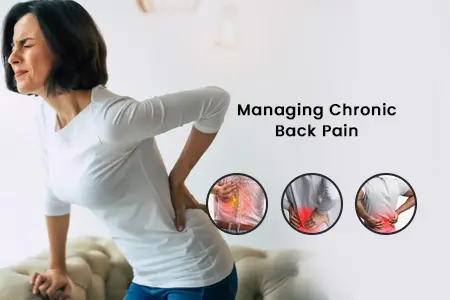
Chronic back pain is a debilitating condition that affects millions of people worldwide. Unlike acute pain, which is temporary and often related to an injury, chronic back pain persists for weeks, months, or even years. This type of pain can severely impact your quality of life, making it difficult to perform everyday activities, from sitting and standing to walking and lifting. Living with chronic back pain can be overwhelming, but the good news is that effective management strategies are available. With the right approach, many people find relief and regain control over their lives. In this blog, we will explore the causes of chronic back pain and the various treatment options available to help manage it. Consulting an expert like Dr. Amarnath Reddy B, one of the best pain specialists in Hyderabad, is essential for developing a personalized treatment plan that addresses your unique needs. Understanding Chronic Back Pain Chronic back pain is defined as pain that lasts for 12 weeks or longer, even after the initial cause of pain—such as an injury or strain—has healed. It can affect any part of the back but is most common in the lower back region. The pain may be constant or intermittent and can vary in intensity from mild discomfort to severe, incapacitating pain. Common Causes of Chronic Back Pain Several factors can contribute to chronic back pain. Understanding the underlying cause is crucial for developing an effective treatment plan. Here are some of the most common causes As people age, the discs in their spine naturally wear down, leading to degenerative disc disease. This condition occurs when the discs, which act as cushions between the vertebrae, lose their ability to absorb shock. This can lead to pain, inflammation, and reduced flexibility in the spine. Symptoms: Treatment: Physical therapy, anti-inflammatory medications, and in some cases, surgery may be recommended for degenerative disc disease. 2. Herniated Disc A herniated disc, also known as a slipped or ruptured disc, occurs when the soft, gel-like center of a spinal disc pushes through its tough outer layer. This can compress nearby nerves, causing pain, numbness, and weakness. Symptoms: Treatment: Non-surgical treatments, such as physical therapy, pain medications, and epidural injections, are often effective. In more severe cases, surgery may be necessary. 3. Spinal Stenosis Spinal stenosis occurs when the spaces within the spine narrow, putting pressure on the spinal cord and nerves. This condition is most common in older adults and can cause chronic pain, numbness, and weakness in the back and legs. Symptoms: Treatment: Conservative treatments like physical therapy, pain management, and anti-inflammatory medications are typically used first. In severe cases, surgery may be required to relieve pressure on the spinal cord. 4. Osteoarthritis Osteoarthritis is a degenerative joint disease that can affect the spine. It occurs when the cartilage that cushions the joints wears down over time, leading to pain, inflammation, and stiffness. Osteoarthritis in the spine can result in chronic back pain, particularly in the lower back. Symptoms: Treatment: Treatment for osteoarthritis typically involves physical therapy, weight management, pain medications, and in some cases, joint injections to reduce inflammation. 5. Muscle Strain Chronic back pain can also result from repeated muscle strain or overuse. This is common among individuals who engage in physical labor, heavy lifting, or repetitive motions that strain the muscles in the back. Symptoms: Treatment: Rest, physical therapy, and anti-inflammatory medications are often effective in treating chronic muscle strain. Heat or cold therapy can also help reduce muscle tension and pain. Treatment Options for Chronic Back Pain Managing chronic back pain involves a multi-faceted approach that addresses both the symptoms and the underlying cause. Here are some of the most common treatment options available 1. Physical Therapy Physical therapy is often the first line of treatment for chronic back pain. A physical therapist can design a personalized exercise program to strengthen the muscles supporting your spine, improve flexibility, and reduce pain. Stretching, strengthening exercises, and low-impact aerobic activities are typically recommended. 2. Medications Pain management is a crucial part of treating chronic back pain. Over-the-counter pain relievers like ibuprofen or acetaminophen may be helpful for mild to moderate pain. For more severe pain, prescription medications, including muscle relaxants or opioids, may be prescribed. 3. Corticosteroid Injections For individuals with severe inflammation in the spine, corticosteroid injections can provide relief by reducing swelling and inflammation around the nerves or joints. These injections are typically used for conditions like herniated discs or spinal stenosis. 4. Nerve Blocks Nerve block injections can be used to temporarily block the pain signals from specific nerves in the spine. This treatment can provide relief from chronic pain while allowing time for other therapies, such as physical therapy, to take effect. 5. Radiofrequency Ablation Radiofrequency ablation is a minimally invasive procedure that uses heat to target and destroy the nerves responsible for sending pain signals. This treatment is particularly useful for individuals with chronic back pain caused by conditions like facet joint arthritis. 6. Surgery In cases where conservative treatments have failed to provide relief, surgery may be necessary. Surgical options vary depending on the underlying cause of the pain. For example, spinal fusion may be used to stabilize the spine, while a laminectomy can remove the part of the vertebrae causing pressure on the spinal cord. 7. Lifestyle Modifications In addition to medical treatments, making certain lifestyle changes can help manage chronic back pain. Maintaining a healthy weight, practicing good posture, and staying active with low-impact exercises like swimming or walking can all contribute to long-term relief. When to See a Pain Specialist If you have been living with chronic back pain for an extended period and conservative treatments haven’t provided relief, it may be time to see a specialist. A pain management expert like Dr. Amarnath Reddy B, known as the best pain specialist in Hyderabad, can offer advanced treatments and a comprehensive approach to managing your pain. Dr. Amarnath Reddy B specializes in diagnosing and treating chronic pain conditions and provides personalized care to help you regain
Best Pain Management Doctors in Secunderabad , Hyderabad

Best Pain Management Doctors in Secunderabad, Hyderabad Arthritis is a common condition that causes inflammation and pain in the joints, affecting millions of people worldwide. Managing arthritis pain effectively is crucial for maintaining a good quality of life. This blog explores various strategies for pain management and highlights how consulting with the Best Pain Management Doctor in Hyderabad can provide you with tailored solutions for relief. Understanding Arthritis Arthritis encompasses a range of inflammatory joint conditions, with osteoarthritis and rheumatoid arthritis being the most common. Symptoms typically include: Effective Pain Management Strategies Managing arthritis pain effectively involves a combination of medical treatments, lifestyle changes, and complementary therapies. Here are some effective strategies: Why Consult the Best Arthritis Treatment Doctors in Hyderabad For comprehensive management of arthritis pain, consulting with the Best Pain Management Doctor in Hyderabad can provide significant benefits: Conclusion Effective Best Pain Management Specialist in Hyderabad for arthritis involves a multifaceted approach, including medications, physical therapy, lifestyle changes, heat and cold therapy, alternative treatments, and injections. By adopting these strategies, you can significantly alleviate arthritis pain and improve your quality of life. For expert care and personalized Best Pain Management Doctors in Hyderabad solutions, consider consulting with the Top Pain Management Doctor in Hyderabad. Their specialized knowledge and experience in managing arthritis can provide you with the support and relief you need. Contact us today to learn more about how we can help you manage your arthritis pain and enhance your overall well-being.
Lower Back Pain Due to Spinal Arthritis Non-Surgical Pain Management Options
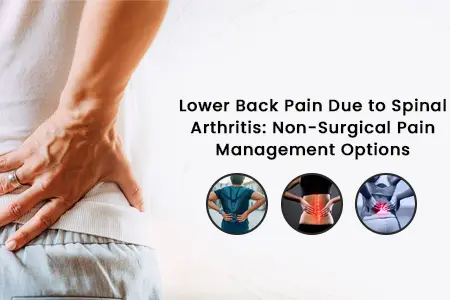
Spinal arthritis, or spinal osteoarthritis, is a prevalent cause of lower back pain that involves the degeneration of the spinal joints. This condition can lead to significant discomfort, stiffness, and impaired mobility. While surgery is an option for severe cases, many individuals find relief through non-surgical treatments. This guide will explore effective non-surgical pain management options for lower back pain due to spinal arthritis and highlight the expertise of Dr. Amarnath Reddy, one of the Best Low Back Pain Treatment in Hyderabad. Understanding Spinal Arthritis Spinal arthritis is characterized by the breakdown of cartilage between the spinal joints, resulting in bone-on-bone contact, inflammation, and pain. Common symptoms include Non-Surgical Pain Management Options Managing lower back pain due to spinal arthritis non-surgically can involve various effective treatments Medications: Physical Therapy: Lifestyle Modifications: Heat and Cold Therapy: Alternative Therapies: Injections: Why Consult Dr. Amarnath Reddy For personalized and effective management of lower back pain due to spinal arthritis, consulting with a specialist like Dr. Amarnath Reddy can be highly beneficial. As one of the Best Back Pain Treatment Doctors in Hyderabad, Dr. Reddy offers Conclusion Lower back pain caused by spinal arthritis can be effectively managed through non-surgical treatments. By exploring options such as medications, physical therapy, lifestyle changes, heat and cold therapy, alternative therapies, and injections, you can find significant relief. For expert care and tailored treatment solutions, consider consulting Dr. Amarnath Reddy, a leading specialist in pain management. As one of the Best Pain Management Specialists in Hyderabad, Dr. Reddy provides comprehensive and compassionate care to support your journey to relief and recovery. Contact us today to learn how Dr. Amarnath Reddy’s expertise can help you manage your lower back pain and improve your quality of life.
Advanced Neck Pain Treatment in Secunderabad Hyderabad
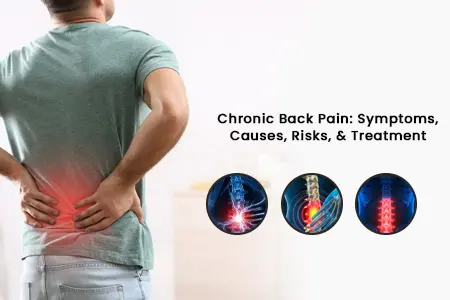
Advanced Neck Pain Treatment in Secunderabad , Hyderabad Chronic back pain is a common condition that affects millions of people worldwide. It can be debilitating and significantly impact your quality of life. Understanding the symptoms, causes, risks, and treatment options for chronic back pain is essential for managing and alleviating this condition. In this blog, we’ll explore these aspects and highlight how consulting with leading Best Pain Management Doctors in Hyderabad, such as Dr. Amarnath Reddy, can provide you with effective relief. Symptoms of Chronic Back Pain Chronic back pain is characterized by persistent pain that lasts for more than three months. Symptoms can vary in intensity and may include Causes of Chronic Back Pain Chronic back pain can result from a variety of underlying issues, including Risks and Contributing Factors Several factors can increase the risk of developing chronic back pain: Treatment Options for Chronic Back Pain Effective management of chronic back pain often involves a combination of treatments Medications: Why Consult Dr. Amarnath Reddy For comprehensive and expert management of chronic back pain, consulting with a specialist like Dr. Amarnath Reddy can provide significant benefits. As one of the Best Pain Management Specialists in Hyderabad, Dr. Reddy offers Conclusion Chronic back pain can be challenging, but understanding its symptoms, causes, and treatment options can help you manage and alleviate the discomfort. With the right combination of treatments and the guidance of leading Pain Management Doctors in Hyderabad, like Dr. Amarnath Reddy, you can find effective relief and improve your quality of life. If you are struggling with chronic back pain, contact us today to schedule a consultation with Dr. Amarnath Reddy and explore how personalized pain management solutions can support your journey to recovery and well-being.
Pain Management Tips and Resources
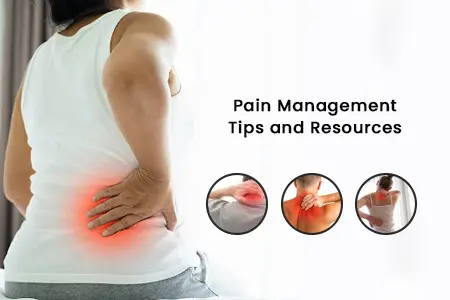
Managing chronic pain effectively involves a combination of medical treatment, lifestyle adjustments, and psychological support. Here are some tips and resources to help manage pain: Pain Management Tips: Resources for Pain Management: By integrating these tips and utilizing available resources, individuals can develop a comprehensive approach to managing chronic pain effectively, improving quality of life, and promoting overall well-being. Always consult with healthcare professionals for personalized advice and treatment recommendations based on your specific pain management needs. If you are seeking effective relief from chronic pain and a compassionate approach to care, schedule a consultation with Dr. Amarnath Reddy, the Best Pain Management Specialist in Hyderabad today. Discover how his expertise, dedication, and personalized treatment plans can help you regain control over your pain and enjoy a more fulfilling life. In choosing Dr. Amarnath Reddy, the Best Pain Relief Doctor in Hyderabad you are selecting a trusted partner in your journey towards improved pain management and overall well-being. Experience the difference that expert care and compassionate support can make under the guidance of Dr. Amarnath Reddy.
Tips for Lifestyle Changes to Improve Pain Management

Making lifestyle changes can significantly improve pain management and enhance overall well-being. Here are some tips to consider: 1. Regular Exercise: Engage in low-impact activities like walking, swimming, or yoga to strengthen muscles, improve flexibility, and reduce pain. Exercise releases endorphins, which are natural painkillers. 2. Healthy Diet: Maintain a balanced diet rich in fruits, vegetables, lean proteins, and whole grains. Avoid processed foods and excessive sugar, which can contribute to inflammation and worsen pain. 3. Weight Management: Achieve and maintain a healthy weight to reduce stress on joints and alleviate pain, especially in conditions like osteoarthritis or back pain. 4. Good Posture: Practice proper body mechanics and ergonomic principles to prevent strain on muscles and joints. Use supportive chairs and avoid prolonged sitting or standing in one position. 5. Stress Management: Practice relaxation techniques such as deep breathing, meditation, or mindfulness to reduce stress levels. Stress can exacerbate pain perception and muscle tension. 6. Quality Sleep: Establish a regular sleep schedule and create a comfortable sleep environment. Good sleep hygiene promotes healing and reduces pain sensitivity. 7. Quit Smoking: If you smoke, quitting can improve circulation, reduce inflammation, and enhance healing processes. Smoking can also interfere with pain medications and increase complications from surgeries. 8. Hydration: Drink plenty of water throughout the day to maintain hydration and support overall bodily functions, including joint lubrication and toxin removal. 9. Physical Therapy: Work with a physical therapist to develop a personalized exercise program and learn techniques for pain relief, stretching, and strengthening. 10. Pacing Activities: Balance rest with activity to avoid overexertion. Break tasks into smaller, manageable segments and alternate between periods of activity and rest. 11. Social Support: Stay connected with friends, family, or support groups to receive emotional support and share experiences. Managing chronic pain can be easier with a strong support network. 12. Mind-Body Therapies: Explore complementary therapies such as acupuncture, massage therapy, or biofeedback to alleviate pain and promote relaxation. By incorporating these lifestyle changes into your daily routine, you can effectively manage pain, improve mobility, and enhance your overall quality of life. Consult with healthcare professionals, including pain management specialists like Dr. Amarnath Reddy, the Best Pain Management Specialist in Hyderabad for personalized guidance and treatment recommendations based on your specific needs. Contact the Best Pain management Doctor in Hyderabad now-
Best Celiac Plexus Block Treatment Doctors in Secunderabad Hyderabad
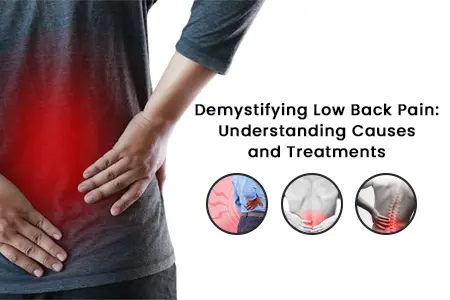
Low back pain is an incredibly common ailment that affects millions of people worldwide. It’s a pervasive issue that can disrupt daily life, causing discomfort and limiting mobility. With modern lifestyles becoming increasingly sedentary, the prevalence of low back pain is rising. Prolonged sitting, poor posture, and a lack of physical activity are all significant contributors to this problem. However, understanding the causes and treatments of low back pain can help manage and alleviate this condition. For Back pain treatment Hyderabad, contact Dr. Amarnath Reddy, a specialist dedicated to helping patients find relief and improve their quality of life. What is Low Back Pain? Low back pain is a discomfort in the lumbar region of the spine, which is the area between the lower ribcage and the pelvis. It can manifest as a dull ache, a sharp pain, or a burning sensation. The pain might be localized in one spot or radiate down the legs. In some cases, it can be accompanied by stiffness, decreased range of motion, or muscle spasms. Intercostal Nerve Block Treatment in Hyderabad . Causes of Low Back Pain Understanding the causes of low back pain is crucial for effective treatment. The causes can be broadly categorized into several groups: Muscle and Ligament Strain: This is one of the most common causes of low back pain. Heavy lifting, sudden movements, or awkward positions can strain the muscles and ligaments in the back, leading to pain and stiffness. Degenerative Disc Disease: As we age, the discs in our spine can degenerate or wear out, leading to pain. This condition can also result in herniated discs, where the disc’s inner material leaks out, pressing on spinal nerves and causing pain. Spinal Stenosis: This condition involves the narrowing of the spinal canal, which can put pressure on the spinal cord and nerves. It is often caused by age-related changes in the spine and can lead to pain, numbness, and weakness in the legs. Genicular Nerve Block Treatment in Hyderabad . Sciatica: This condition occurs when the sciatic nerve, which runs from the lower back down the legs, is compressed or irritated. It typically causes sharp, shooting pain in the lower back and legs. Scoliosis and Other Skeletal Irregularities: Abnormal curvatures or other skeletal irregularities can lead to chronic back pain. Scoliosis, for example, causes the spine to curve sideways, which can result in discomfort and mobility issues. Best Abdominal Pain Treatment in Hyderabad . Arthritis: Osteoarthritis and other forms of arthritis can affect the lower back, leading to inflammation, pain, and reduced flexibility. Arthritis in the spine can cause the space around the spinal cord to narrow, resulting in spinal stenosis. Genicular Nerve Block Treatment in Hyderabad . Infections and Tumors: Although less common, infections in the spine or tumors can cause significant back pain. These conditions require immediate medical attention. Best ACL Tear Treatment in Hyderabad . Lifestyle Factors: Poor posture, obesity, lack of exercise, and even stress can contribute to low back pain. Sitting for long periods, especially with inadequate back support, can strain the lower back muscles and lead to chronic pain. Advanced Shoulder Pain Treatment in Hyderabad . Treatments for Low Back Pain Treating low back pain requires a multifaceted approach that addresses the underlying causes and alleviates symptoms. Here are some common treatment options: Rest and Activity Modification: Short-term rest can help reduce acute pain, but prolonged inactivity can exacerbate the problem. Gradually resuming normal activities and avoiding activities that aggravate the pain is essential. Physical Therapy: Physical therapy is often recommended to strengthen the muscles supporting the spine, improve flexibility, and promote good posture. Exercises tailored to individual needs can help prevent future episodes of low back pain. Medications: Over-the-counter pain relievers like ibuprofen and acetaminophen can help manage pain. In some cases, muscle relaxants, anti-inflammatory drugs, or prescription pain medications may be necessary. Cancer Pain Treatment in Hyderabad . Hot and Cold Therapy: Applying heat or cold to the affected area can provide relief. Heat can relax tense muscles, while cold can reduce inflammation and numb the pain. Manual Therapies: Chiropractic adjustments, massage therapy, and acupuncture can provide relief for some individuals by addressing musculoskeletal issues and promoting natural healing. Injections: In cases of severe pain, corticosteroid injections may be used to reduce inflammation around the nerves or joints in the lower back. Lifestyle Changes: Addressing lifestyle factors is crucial for long-term relief. This includes maintaining a healthy weight, engaging in regular physical activity, practicing good posture, and using ergonomic furniture. Intercostal Nerve Block Treatment in Hyderabad . Surgery: Surgery is considered a last resort when other treatments have failed, and the pain is severe or disabling. Procedures such as discectomy, laminectomy, or spinal fusion may be performed to relieve pressure on the nerves or stabilize the spine. Best Celiac Plexus Block Treatment Doctors in Hyderabad . How Amarnath Hospital Helps in Treating Low Back Pain At Amarnath Hospital, we understand the debilitating effects of low back pain and are dedicated to providing comprehensive care tailored to each patient’s needs. Our multidisciplinary approach ensures that every aspect of the condition is addressed, from diagnosis to treatment and rehabilitation. Expert Diagnosis: Our team of specialists, led by Dr. Amarnath Reddy, conducts thorough evaluations to determine the root cause of your back pain. This may include physical examinations, imaging tests like X-rays, MRI, or CT scans, and other diagnostic procedures. Personalized Treatment Plans: We develop individualized treatment plans based on the specific needs and conditions of each patient. Whether it’s conservative management through physical therapy and medication or more advanced interventions, we ensure that every patient receives the most effective care Advanced Therapeutic Options: At Amarnath Hospital, we offer a range of advanced treatments, including minimally invasive surgical
Pain-Free Living: Proven Methods for Relief and Recovery
Living with chronic pain can be an exhausting and demoralizing experience. It affects every aspect of life, from simple daily tasks to overall well-being. However, a pain-free life is attainable through a variety of proven methods for relief and recovery. Modern lifestyles, characterized by sedentary behavior, poor posture, and high stress levels, often exacerbate pain issues. By understanding and addressing these factors, individuals can achieve significant improvements in their quality of life. For Pain management specialist in Hyderabad, contact Dr. Amarnath Reddy, a specialist dedicated to guiding patients towards a pain-free existence. Understanding Chronic Pain Chronic pain is persistent pain that lasts for weeks, months, or even years. Unlike acute pain, which serves as a warning signal for potential injury, chronic pain continues even after the initial cause has been resolved. It can stem from various conditions, including arthritis, fibromyalgia, nerve damage, and musculoskeletal disorders. Chronic pain can be debilitating, affecting physical, emotional, and mental health. Proven Methods for Pain Relief and Recovery Managing chronic pain effectively requires a holistic and personalized approach. Here are some proven methods to achieve relief and recovery: Physical Therapy: Physical therapy is a cornerstone of chronic pain management. It involves exercises and techniques designed to improve mobility, strength, and flexibility. Physical therapists create tailored programs that address specific pain points, helping to restore function and reduce pain. Medication Management: Medications can play a crucial role in managing chronic pain. Over-the-counter pain relievers, such as acetaminophen and nonsteroidal anti-inflammatory drugs (NSAIDs), can be effective for mild to moderate pain. For more severe pain, prescription medications like opioids, muscle relaxants, and antidepressants may be necessary. It’s essential to use medications under the guidance of a healthcare professional to avoid dependency and side effects. Mind-Body Techniques: Chronic pain often has a psychological component. Mind-body techniques such as mindfulness meditation, cognitive-behavioral therapy (CBT), and relaxation exercises can help manage pain by reducing stress, improving coping strategies, and altering pain perception. These techniques empower individuals to take control of their pain and enhance their overall well-being. Acupuncture: Acupuncture, an ancient Chinese practice, involves inserting thin needles into specific points on the body to relieve pain. It is believed to stimulate the body’s natural painkillers and improve energy flow. Many people find acupuncture to be an effective complementary treatment for various types of chronic pain. Chiropractic Care: Chiropractic care focuses on diagnosing and treating musculoskeletal disorders, particularly those related to the spine. Chiropractors use manual adjustments to correct misalignments, improve function, and reduce pain. This hands-on approach can be particularly beneficial for conditions like back pain and headaches. Massage Therapy: Massage therapy involves manipulating the body’s soft tissues to alleviate pain and promote relaxation. It can help reduce muscle tension, improve circulation, and enhance the body’s natural healing processes. Regular massage therapy sessions can significantly reduce chronic pain and improve overall quality of life. Lifestyle Modifications: Addressing lifestyle factors is crucial for long-term pain management. This includes maintaining a healthy weight, engaging in regular physical activity, practicing good posture, and avoiding prolonged periods of inactivity. Simple changes, such as using ergonomic furniture and taking regular breaks during prolonged sitting, can make a significant difference. Diet and Nutrition: A healthy diet can influence pain levels and overall health. Anti-inflammatory foods, such as fruits, vegetables, whole grains, and omega-3 fatty acids, can help reduce inflammation and pain. Staying hydrated and avoiding processed foods, excessive sugar, and unhealthy fats is also important. Heat and Cold Therapy: Applying heat or cold to painful areas can provide temporary relief. Heat therapy, such as warm baths or heating pads, can relax muscles and improve blood flow. Cold therapy, such as ice packs, can reduce inflammation and numb the area, providing pain relief. Interventional Procedures: For severe or persistent pain, interventional procedures like nerve blocks, epidural steroid injections, and radiofrequency ablation may be necessary. These procedures target specific nerves or areas to reduce pain and improve function. How Amarnath Reddy Helps in Achieving Pain-Free Living At Amarnath Reddy B, we are dedicated to helping patients achieve a pain-free life through comprehensive and personalized care. Chronic pain treatment in Hyderabad ensures that all aspects of chronic pain are addressed effectively. Expert Diagnosis: Our Pain management doctor in Hyderabad Dr. Amarnath Reddy, conducts thorough assessments to determine the underlying causes of pain. This involves detailed medical histories, physical examinations, and diagnostic tests such as imaging studies. Individualized Treatment Plans: We recognize that each patient’s pain experience is unique. We develop personalized treatment plans that combine various methods tailored to the specific needs and conditions of each patient. This ensures the most effective and holistic approach to pain management. Advanced Therapeutic Options: At Amarnath Hospital, we offer a wide range of advanced treatments, including minimally invasive surgical techniques, spinal injections, and state-of-the-art pain management therapies. Our goal is to provide relief while minimizing the impact on the patient’s daily life. Comprehensive Rehabilitation: Rehabilitation is an integral part of our pain management strategy. Our team of physical therapists works closely with patients to develop and implement exercise programs that enhance recovery, improve strength and flexibility, and prevent future pain episodes. Patient Education and Support: We believe in empowering patients with knowledge and tools to manage their pain. Our educational programs and support services ensure that patients understand their treatment options and are actively involved in their recovery process. Holistic Approach: We address all factors contributing to chronic pain, including lifestyle and psychological aspects. Our holistic approach ensures comprehensive care that promotes overall well-being and a higher quality of life. Chronic pain doesn’t have to define your life. With the right understanding and treatment, a pain-free existence is within reach. At Amarnath Hospital, we are committed to helping you achieve lasting relief and recovery. For expert care
Interventional Pain Procedures Explained Advancing Pain Management
Interventional pain procedures are specialized techniques used to manage and alleviate chronic pain conditions effectively. Dr. Amarnath Reddy Best Pain Management Specialist in Hyderabad, utilizes these procedures to provide targeted relief and improve patients’ quality of life. Here’s an overview of common interventional pain procedures: 1. Epidural Steroid Injections: 2. Facet Joint Injections: 3. Radiofrequency Ablation (RFA): 4. Spinal Cord Stimulator (SCS) Implantation: 5. Intrathecal Pump Implantation: Why Choose Dr. Amarnath Reddy for Interventional Pain Procedures? Dr. Amarnath Reddy , the Pain management Doctors in Hyderabad combines extensive expertise in pain management with a patient-centered approach to care. Specializing in interventional pain procedures, Dr. Reddy tailors treatment plans to address each patient’s unique pain condition and medical history. His commitment to advanced techniques and compassionate care ensures that patients receive comprehensive pain relief strategies aimed at improving function and quality of life. If you are suffering from chronic pain and seeking effective relief through interventional procedures, schedule a consultation with Dr. Amarnath Reddy, the Pain management specialist in Hyderabad today. Discover how his specialized knowledge and dedication to patient well-being can help you achieve significant pain reduction and regain control over your life. In conclusion, interventional pain procedures offered by Dr. Amarnath Reddy represent cutting-edge solutions for managing chronic pain conditions. With his expertise and personalized approach to care, Dr. Reddy empowers patients to overcome pain and enhance their overall quality of life effectively.