
Understanding Platelet-Rich Plasma (PRP) Therapy for Low Back Pain
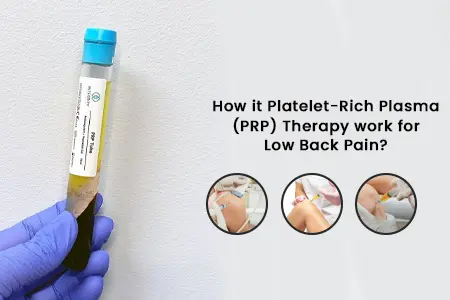
Introduction Low back pain is a prevalent condition that affects millions worldwide, impacting daily activities and quality of life. It can arise from various causes such as muscle strain, ligament sprain, herniated discs, or degenerative changes in the spine. For many sufferers, finding effective relief remains a significant challenge. Dr. Amarnath Reddy provides the Best PRP Treatment In Hyderabad and offers cutting-edge solutions for managing low back pain, including advanced PRP therapy. Here’s how PRP therapy works and why it’s gaining recognition in the field of pain management. Overview Platelet-Rich Plasma (PRP) therapy leverages the body’s natural healing mechanisms. It involves extracting a small amount of the patient’s blood, processing it to concentrate platelets, growth factors, and other bioactive proteins, and then injecting this concentration into the affected area. In the context of low back pain, PRP injections aim to promote tissue repair, reduce inflammation, and alleviate pain. Causes of Low Back Pain Low back pain can stem from several factors, including: – Muscle or ligament strain due to heavy lifting or sudden movements – Herniated discs that put pressure on nerve roots – Degenerative changes in spinal discs and joints – Skeletal irregularities like scoliosis – Osteoarthritis affecting the spine Identifying the underlying cause is crucial for tailoring effective treatment strategies. Symptoms of Low Back Pain Symptoms can vary widely, ranging from dull, achy sensations to sharp, stabbing pains. Some individuals experience stiffness, limited mobility, or radiating pain down the legs (sciatica). Chronic low back pain can significantly impair daily functioning and lead to psychological distress. The Serious Consequences of Neglecting Back Pain Neglecting back pain can lead to severe and long-lasting consequences. What might initially seem like a minor discomfort can progressively worsen, resulting in chronic pain that significantly impairs daily activities and quality of life. Chronic back pain can lead to decreased mobility, making it challenging to perform simple tasks like walking, sitting, or lifting objects. Unaddressed back pain can cause compensatory behaviors, such as altered posture and gait, which may lead to additional musculoskeletal issues. For instance, shifting weight to alleviate pain can strain other parts of the body, potentially causing hip, knee, or neck problems. Ignoring back pain can also impact mental health. Persistent pain is often associated with conditions like anxiety and depression, as the continuous discomfort can be mentally exhausting and debilitating. In some cases, what appears to be back pain may indicate a more serious underlying condition, such as a herniated disc, spinal stenosis, or even spinal infections or tumors. Early diagnosis and treatment are crucial to prevent complications that could lead to permanent nerve damage or other severe outcomes. – Osteoarthritis affecting the spine Identifying the underlying cause is crucial for tailoring effective treatment strategies. Symptoms of Low Back Pain Symptoms can vary widely, ranging from dull, achy sensations to sharp, stabbing pains. Some individuals experience stiffness, limited mobility, or radiating pain down the legs (sciatica). Chronic low back pain can significantly impair daily functioning and lead to psychological distress. The Serious Consequences of Neglecting Back Pain Neglecting back pain can lead to severe and long-lasting consequences. What might initially seem like a minor discomfort can progressively worsen, resulting in chronic pain that significantly impairs daily activities and quality of life. Chronic back pain can lead to decreased mobility, making it challenging to perform simple tasks like walking, sitting, or lifting objects. Unaddressed back pain can cause compensatory behaviors, such as altered posture and gait, which may lead to additional musculoskeletal issues. For instance, shifting weight to alleviate pain can strain other parts of the body, potentially causing hip, knee, or neck problems. Ignoring back pain can also impact mental health. Persistent pain is often associated with conditions like anxiety and depression, as the continuous discomfort can be mentally exhausting and debilitating. In some cases, what appears to be back pain may indicate a more serious underlying condition, such as a herniated disc, spinal stenosis, or even spinal infections or tumors. Early diagnosis and treatment are crucial to prevent complications that could lead to permanent nerve damage or other severe outcomes. Dr. Amarnath Reddy B specializes in PRP therapy, offering a cutting-edge solution for those suffering from chronic back pain. His expertise ensures that patients receive personalized, effective treatment aimed at long-term relief. Conclusion Dr. Amarnath Reddy offers Lower Back Pain Treatment in Hyderabad and specializes in innovative pain management solutions, including PRP therapy for low back pain. His expertise and dedication to patient care ensure that you receive personalized treatment aimed at restoring your mobility and improving your quality of life. Discover how PRP therapy can alleviate your low back pain and schedule a consultation today.
Best Treatment Options for Sacroiliac Joint Pain

Sacroiliac (SI) joint pain can significantly impact an individual’s quality of life, causing discomfort in the lower back and buttocks. Effective management of SI joint pain often involves a combination of treatments tailored to the patient’s specific condition and needs. Here are some of the best treatment options: 1. Physical Therapy: Physical therapy is a cornerstone in the treatment of SI joint pain. A physical therapist can develop a customized exercise program to strengthen the muscles around the SI joint, improve flexibility, and enhance stability. Techniques may include: – Stretching exercises to reduce tension in the muscles surrounding the SI joint. – Strengthening exercises for the core, glutes, and lower back muscles. – Manual therapy techniques, such as mobilization and manipulation, to improve joint function. 2. Medications: Over-the-counter pain relievers and anti-inflammatory medications, such as ibuprofen or naproxen, can help reduce pain and inflammation. In some cases, doctors may prescribe stronger medications or muscle relaxants. 3. SI Joint Injections: Corticosteroid injections directly into the SI joint can provide significant pain relief by reducing inflammation. These injections can be both diagnostic and therapeutic, helping to confirm the SI joint as the pain source and providing relief for several months. 4. Radiofrequency Ablation (RFA): For patients who do not respond to conservative treatments, RFA can be an effective option. This minimally invasive procedure uses heat to disrupt the nerves transmitting pain signals from the SI joint, providing longer-term relief. 5. Chiropractic Care: Chiropractors can use adjustments and manipulations to realign the SI joint and relieve pain. Chiropractic care often complements other treatments like physical therapy and medication. 6. Pelvic Belts and Supports: SI belts or pelvic supports can help stabilize the SI joint, reducing pain and discomfort during daily activities. These belts are particularly useful during acute flare-ups. 7. Lifestyle Modifications: Making certain lifestyle changes can help manage SI joint pain. These include: – Maintaining a healthy weight to reduce stress on the SI joint. – Avoiding activities that exacerbate the pain, such as heavy lifting or prolonged standing. – Practicing good posture and ergonomics. 8. Alternative Therapies: Complementary treatments such as acupuncture, massage therapy, and yoga may provide additional pain relief and improve overall well-being. 9. Surgery: In rare cases, when all other treatments have failed to provide relief, surgical options like SI joint fusion may be considered. This procedure stabilizes the joint by fusing the bones together, thereby reducing pain. Is Sacroiliac Joint Pain This Painful? Sacroiliac (SI) joint pain can be incredibly painful and debilitating, significantly impacting a person’s daily life. The SI joint, located where the sacrum meets the ilium in the pelvis, plays a critical role in stabilizing and supporting the upper body. When this joint becomes dysfunctional due to inflammation, injury, or other underlying conditions, it can cause severe pain. Individuals with SI joint pain often experience a deep, aching pain in the lower back and buttocks, which can radiate down to the thighs. This pain can make it difficult to sit, stand, walk, or even sleep comfortably. Movements that involve shifting weight from one leg to another, such as climbing stairs or getting out of a car, can exacerbate the pain, making simple daily tasks challenging. The intensity of the pain varies, ranging from a dull ache to sharp, stabbing sensations. For some, the pain may be intermittent, while others might endure chronic discomfort. This persistent pain can lead to secondary issues, such as muscle tension and reduced mobility, further impacting a person’s quality of life. Given its potential severity, SI joint pain should be taken seriously and addressed promptly with appropriate treatment to alleviate symptoms and improve function. Consulting a specialist like Dr. Amarnath Reddy Sacroiliac Joint Pain treatment in Hyderabad can provide effective management strategies tailored to the individual’s needs, offering relief and restoring mobility. Conclusion: The best treatment for SI joint pain often involves a multimodal approach tailored to the individual. Consulting with a specialist like Dr. Amarnath Reddy one of the Best Doctors For Sacroiliac Joint Pain Treatment can provide a comprehensive evaluation and personalized treatment plan, ensuring the most effective management of SI joint pain. Dr. Reddy’s Joint Pain Treatment in Hyderabad and expertise in pain management can help patients find relief and improve their quality of life through a combination of advanced medical treatments and supportive therapies.