

We don’t just treat pain—we help restore your quality of life.
Get timely diagnosis and expert treatment for lasting relief.
A meniscus tear is one of the most common knee injuries, affecting people of all ages. The meniscus is a C-shaped piece of cartilage that acts as a cushion between the thigh bone (femur) and the shin bone (tibia). Each knee has two menisci that help absorb shock, distribute body weight evenly, and provide stability during movement. A tear in the meniscus can occur suddenly during sports or physical activities that involve twisting the knee, or it may develop gradually due to age-related wear and tear. Depending on the size and location of the tear, the condition can cause pain, swelling, and difficulty performing everyday activities. Early diagnosis and appropriate treatment are essential to relieve pain, restore knee function, and prevent further joint damage.
A meniscus tear can occur due to a sudden twisting or rotating movement of the knee while the foot remains firmly planted on the ground. This type of injury is commonly seen in athletes participating in sports such as football, cricket, basketball, and tennis. In older adults, the meniscus naturally becomes weaker and less flexible with age, making it more susceptible to tears even during routine activities such as squatting, kneeling, or getting up from a chair. Obesity, repetitive stress on the knee, previous knee injuries, and occupations that involve frequent bending or lifting can also increase the risk of developing a meniscus tear.
The symptoms of a meniscus tear may vary depending on the severity and location of the injury. Most patients experience pain along the inner or outer side of the knee, especially during movement or weight-bearing activities. Swelling often develops within a few hours or over the next day. Some individuals notice a popping sensation at the time of injury, while others experience stiffness, limited range of motion, or difficulty fully straightening or bending the knee. In more severe cases, the knee may lock, catch during movement, or feel unstable, making walking or climbing stairs uncomfortable.
Diagnosing a meniscus tear begins with a detailed medical history and a thorough physical examination. The doctor assesses the location of pain, knee stability, range of motion, and performs specific clinical tests designed to identify meniscal injuries. Imaging studies such as X-rays may be recommended to rule out fractures or arthritis, while Magnetic Resonance Imaging (MRI) is considered the most accurate investigation for confirming a meniscus tear and determining its size, location, and severity. An accurate diagnosis helps guide the most appropriate treatment plan for each patient.
Treatment depends on several factors, including the patient’s age, activity level, the type of tear, and the severity of symptoms. Small or minor tears often respond well to conservative management, which includes rest, activity modification, ice therapy, compression, elevation, pain-relieving medications, and a structured physiotherapy program to strengthen the muscles around the knee. Interventional pain management techniques may also be considered to reduce inflammation and improve mobility in selected cases.
When symptoms persist despite conservative care or when the tear causes knee locking or significant instability, surgical treatment may be recommended. Arthroscopic knee surgery allows the damaged meniscus to be repaired or trimmed using minimally invasive techniques, helping restore knee function while preserving as much healthy cartilage as possible. The choice of treatment is always individualized to achieve the best possible long-term outcome.
Recovery after treatment plays a vital role in achieving optimal knee function. Patients are advised to follow their rehabilitation program carefully, gradually increasing activity levels under medical supervision. Physiotherapy helps improve strength, flexibility, balance, and joint stability while reducing the risk of reinjury. Patients should avoid high-impact activities until the knee has healed adequately and should maintain a healthy body weight to reduce stress on the joint. Regular follow-up appointments allow the doctor to monitor healing and guide a safe return to normal daily activities and sports.
If left untreated, a meniscus tear can lead to persistent knee pain, repeated episodes of swelling, reduced mobility, and instability. Continued damage to the knee joint may increase the risk of cartilage wear, accelerating the development of osteoarthritis. In some cases, a displaced meniscus tear can cause the knee to lock completely, significantly limiting movement. Timely diagnosis and appropriate treatment help minimize these complications and preserve long-term knee health.
Medical evaluation should be sought if knee pain persists after an injury, swelling does not improve within a few days, or walking becomes difficult. Patients should also consult a doctor if the knee locks, repeatedly gives way, produces persistent clicking sensations, or cannot be fully bent or straightened. Early consultation with a pain management specialist allows for accurate diagnosis and timely treatment, helping relieve pain, restore mobility, and prevent long-term damage to the knee joint.

MBBS, M.D. (Anaesthesiology), FIPM, EDRA, Fellowship in Chronic Pain (University of Toronto)


Your care and comfort are our top priorities. We ensure that the patients are well informed prior to every step we take for their benefit and that their queries are effectively answered.
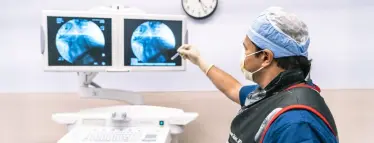
The Gleneagles Hospitals team stays up to date on the advancements in medical procedures and technologies. Experience the Future Healthcare Technologies now at Gleneagles Hospitals

Strengthening lives through compassionate care, innovative therapies and relentless efforts. It reflects in the DNA of our passionate team of doctors and dedicated clinical staff
Copyright © 2026 Dr Amarnath Reddy B, All rights reserved. Powered by PrigmaSoft Technologies
WhatsApp us