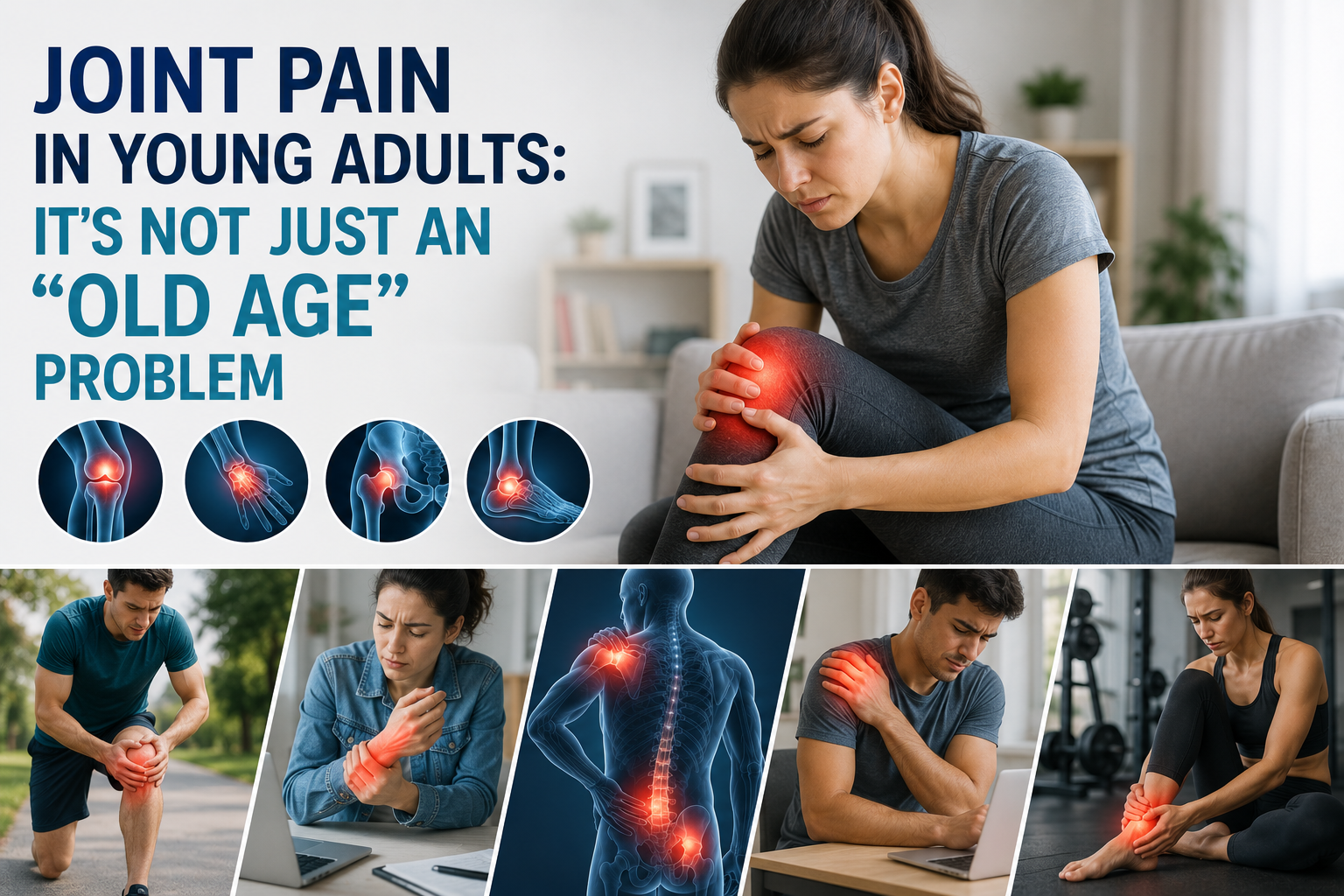

For a long time, joint pain was considered a natural byproduct of aging—something to worry about in your 60s or 70s. However, as a specialist, I am seeing an increasing number of individuals in their 20s and 30s seeking Joint Pain Treatment in Secunderabad.
When a young adult experiences persistent stiffness or aching, it can be particularly frustrating. It interferes with career growth, fitness goals, and social life. Understanding the “why” behind early-onset joint pain is the first step toward effective management and long-term joint health.
Why is Joint Pain Increasing in Young Adults?
The causes of joint pain in younger populations differ significantly from the degenerative wear-and-tear seen in seniors. Here are the primary drivers we see at the Dr. Amarnath Reddy.
1. The “Tech-Neck” and Sedentary Lifestyle
Modern work culture often involves hours of sitting in front of laptops or hunching over smartphones. This poor ergonomics leads to significant strain on the spine. We frequently see patients seeking Low Back Pain Treatment in Secunderabad because their core muscles have weakened, forcing the spinal joints and discs to bear too much weight.
2. Overuse and Sports Injuries
On the other end of the spectrum are the “weekend warriors.” Engaging in high-impact sports without proper conditioning or repetitive gym movements with poor form can lead to tendonitis, ligament tears, or “jumper’s knee.” If not treated correctly, these minor injuries can evolve into chronic joint issues.
3. Early-Onset Inflammatory Arthritis
Conditions like Rheumatoid Arthritis or Ankylosing Spondylitis (which specifically affects the spine) often manifest in a person’s 20s or 30s. Unlike standard aches, this pain is usually worse in the morning and improves with movement.
4. Post-Viral Arthralgia
In recent years, many young adults have experienced lingering joint pain following viral infections (such as Chikungunya or even COVID-19). This systemic inflammation can settle in the joints, causing discomfort for months after the initial illness has passed.
Modern Solutions for Joint Pain Treatment
The goal for young adults is different: we want to preserve the natural joint for as long as possible. As the Best Pain Management Doctor in Secunderabad, my approach focuses on biological and minimally invasive treatments.
Regenerative Therapy (PRP)
For sports injuries or early cartilage thinning, Platelet-Rich Plasma (PRP) therapy is highly effective. We use the patient’s own blood to concentrate healing factors and inject them directly into the joint. This helps repair micro-tears and reduces inflammation naturally.
Precision Physical Therapy
Treatment isn’t just about procedures; it’s about mechanics. We focus on “re-training” the body. For those needing Low Back Pain Treatment in Secunderabad, this involves strengthening the “multifidus” muscles that support the spine, taking the pressure off the joints.
Ergonomic Intervention
Small changes to your workstation—monitor height, chair support, and frequent “movement snacks”—can stop the progression of joint stress before it becomes permanent damage.
When Should You Be Concerned?
Many young adults ignore pain, thinking it will simply “go away.” You should consult a specialist if:
- Pain lasts more than two weeks.
- The joint looks swollen or red.
- You experience stiffness in the morning that lasts more than 30 minutes.
- The pain wakes you up in the middle of the night.
Frequently Asked Questions (FAQs)
1. Is it normal to have “clicking” joints at age 25?
If the clicking is not accompanied by pain or swelling, it is usually just gas bubbles popping in the joint fluid (crepitus) or tendons snapping over bone. However, if the click comes with a “locking” sensation or sharp pain, it could indicate a meniscus or cartilage tear that needs evaluation.
2. Can my diet affect my joint pain?
Absolutely. High-sugar diets and processed foods increase systemic inflammation. Incorporating anti-inflammatory foods like turmeric, ginger, omega-3 fatty acids (found in fish or walnuts), and leafy greens can significantly help manage joint discomfort.
3. Will I need to stop exercising if I have joint pain?
Rarely. In fact, total rest is often the worst thing for joint pain. The “motion is lotion” rule applies. We usually recommend “relative rest”—modifying your workout to avoid painful movements while keeping the surrounding muscles strong.
4. How does a pain specialist differ from an orthopedic surgeon?
While surgeons focus on fixing structural damage through operation, a pain management specialist focuses on non-surgical interventions. We use advanced diagnostics and minimally invasive procedures to manage pain and restore function, often helping patients avoid the need for surgery altogether.
5. Why is my back pain worse when I sit for long periods?
Sitting increases the pressure on your lumbar discs by nearly 40% compared to standing. For many young professionals in Secunderabad, this constant pressure leads to “discogenic” pain. Frequent standing breaks and core strengthening are the primary defenses against this.
Don’t let joint pain slow down your most productive years. Whether it’s a sports injury or office-related strain, early intervention is the key to a pain-free future. Visit Dr. Amarnath Reddy B in Secunderabad for a comprehensive evaluation and personalized treatment plan.
Address: Yashoda hospital, Alexander Rd, Kummari Guda, Shivaji Nagar, Secunderabad, Telangana 500003
Phone: +91 9032220848
Email: dramarnath.pain@gmail.com