
Arthritis is often misunderstood as a single disease, but it is actually a complex umbrella term covering over 100 different conditions that affect the joints. Whether it is the “wear and tear” of osteoarthritis or the inflammatory nature of rheumatoid arthritis, the result is the same: persistent pain, stiffness, and a reduced quality of life.
For many patients, the word “arthritis” brings up fears of joint replacement surgery. However, modern medicine has advanced significantly. Today, a wide array of interventional and regenerative treatments allow patients to manage pain and regain mobility without ever stepping into an operating theater.
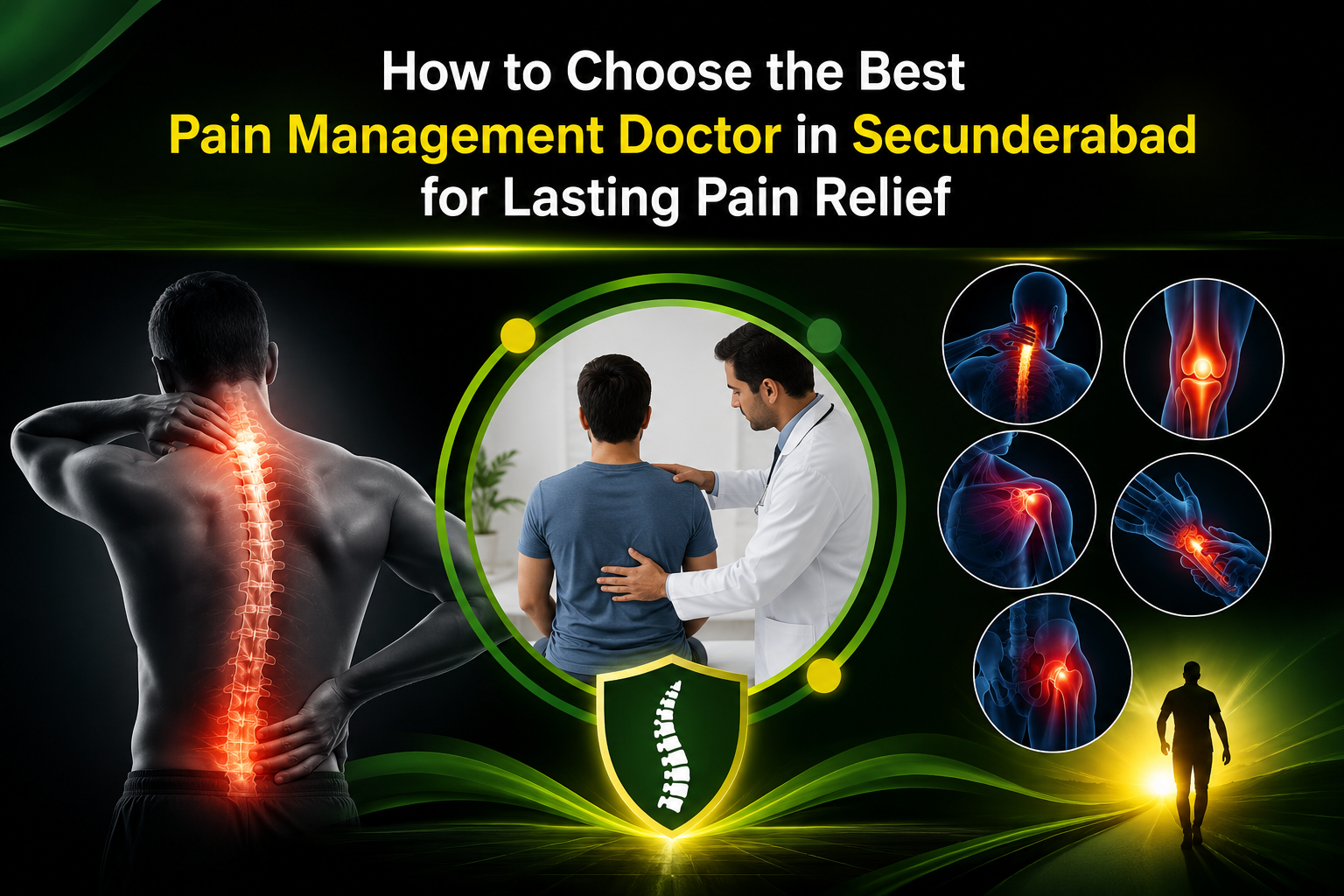
If you are looking for the Best Pain Management Doctor in Secunderabad, it is essential to find a specialist who prioritizes these minimally invasive, non-surgical pathways.
Understanding Arthritis: Why Joints Hurt
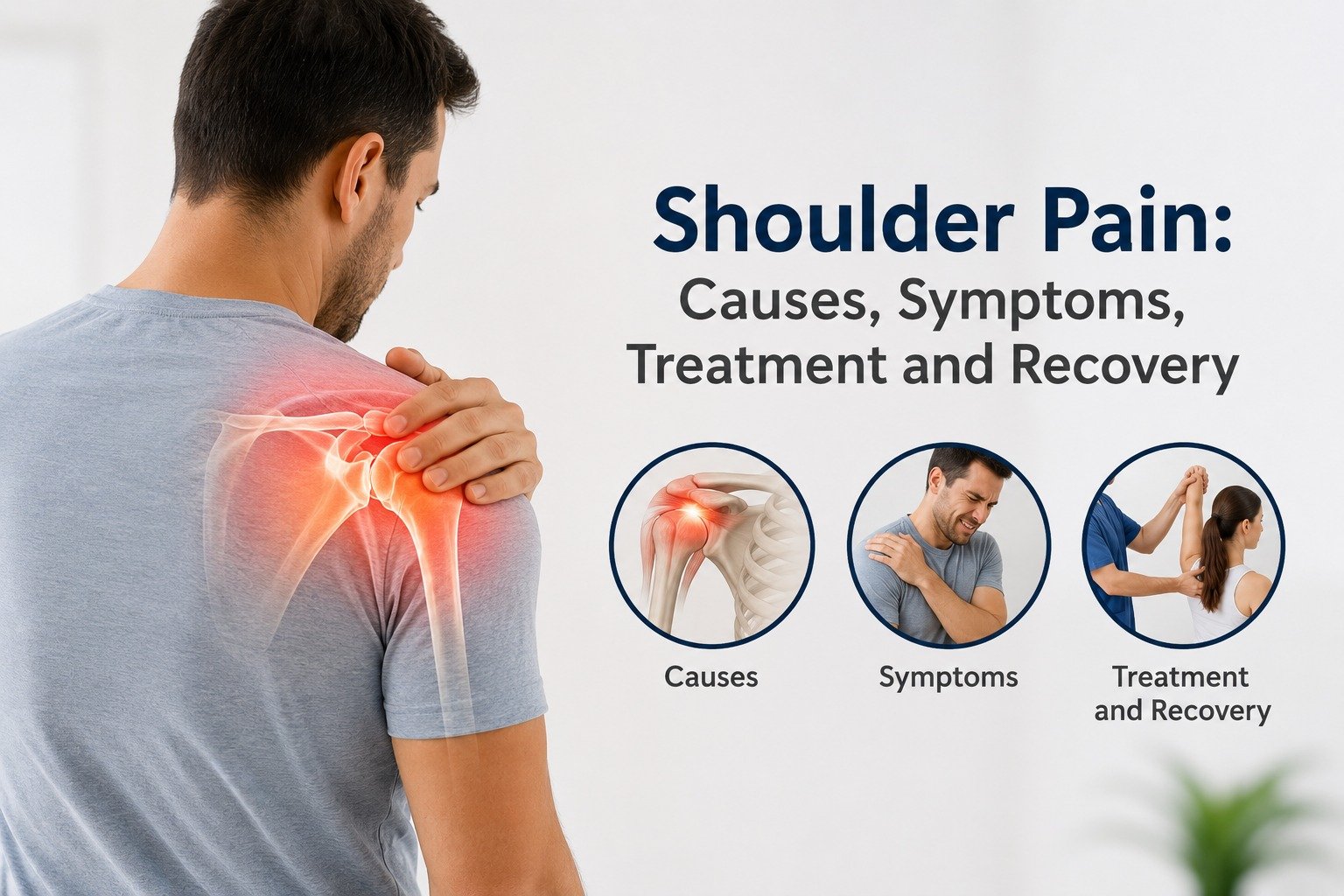
To treat arthritis effectively, we must understand what is happening inside the joint. In a healthy joint, cartilage acts as a slippery, elastic cushion between bones. Arthritis causes this cushion to thin or disappear, leading to bone-on-bone friction. This friction triggers inflammation, swelling, and the growth of bone spurs, which can also contribute to spine pain and stiffness in the neck or lower back.
Top Non-Surgical Interventions for Arthritis
At specialized clinics like Dr. Amarnath Reddy B, the goal is to reduce inflammation, repair tissue, and “turn off” pain signals through the following methods:
1. Viscosupplementation (Hyaluronic Acid Injections)
Often used for knee arthritis, this involves injecting a thick fluid called hyaluronic acid into the joint. This fluid mimics the natural lubricating fluid (synovial fluid) that has thinned out due to arthritis. It acts as both a lubricant and a shock absorber, allowing the joint to move more smoothly.
2. Platelet-Rich Plasma (PRP) Therapy
This is a cornerstone of regenerative medicine. A small sample of the patient’s own blood is processed to concentrate the platelets, which are rich in growth factors. When injected into the arthritic joint, PRP can help reduce inflammation and potentially promote the healing of damaged tissues. It is a “first-party” healing approach, using your body’s own resources to fight the disease.
3. Radiofrequency Ablation (RFA)
For those suffering from chronic arthritis in the spine (facet joint arthropathy) or the knees, RFA is a game-changer. This procedure uses thermal energy to interrupt the nerve’s ability to send pain signals to the brain. It provides long-lasting relief without affecting the structure of the joint itself.
4. Corticosteroid Injections
While not a long-term cure, “steroid shots” are highly effective at calming acute flare-ups. By delivering a powerful anti-inflammatory directly to the site of the pain, patients can experience rapid relief that allows them to engage in physical therapy, which is vital for long-term joint health.
5. Specialized Physical Therapy and Lifestyle Modification
Movement is medicine. A pain specialist works alongside therapists to strengthen the muscles surrounding the joint. Strengthening the quadriceps, for example, takes the pressure off an arthritic knee. Additionally, weight management and anti-inflammatory diets play a massive role in reducing the mechanical and chemical stress on your joints.
Why Choose a Pain Specialist in Secunderabad?
Choosing the Best Pain Management Doctor in Secunderabad means receiving a diagnosis that is precise. Many people assume their back pain is just “old age,” but it could be arthritis of the spinal joints. By visiting a dedicated center like Dr. Amarnath Reddy, you receive a personalized plan that might combine several of these non-surgical treatments to get you back to your favorite activities.
Frequently Asked Questions (FAQs)
1. Is surgery always the final stage of arthritis?
Not necessarily. Many patients successfully manage arthritis for decades using non-surgical interventions. The key is early intervention. By starting treatments like PRP or viscosupplementation early, you can often slow the progression of the disease and maintain a high level of activity without surgery.
2. How do I know if my back pain is actually arthritis?
Spine pain caused by arthritis usually feels worse in the morning or after periods of inactivity. It often improves once you start moving but may ache again at the end of the day. A specialist will use imaging and physical tests to see if the facet joints in your spine are the “root cause” of the discomfort.
3. Are these non-surgical injections painful?
Most patients describe the sensation as a quick pinch or pressure. We use local anesthetics to numb the skin, and many procedures are performed under ultrasound or X-ray guidance to ensure the medication is delivered exactly where it is needed with minimal discomfort.
4. How long does the relief from Radiofrequency Ablation (RFA) last?
RFA typically provides relief for 6 to 18 months. Because nerves eventually regenerate, the procedure can be repeated if the pain returns. It is an excellent option for those who want to avoid the risks and downtime associated with major surgery.
5. Will I need to take a lot of time off work for these treatments?
Most of these treatments are “office-based” or “day-care” procedures. Generally, you can return to your normal daily activities within 24 to 48 hours, though we may recommend avoiding heavy lifting or high-impact exercise for a few days following regenerative treatments like PRP.
Don’t let joint stiffness dictate your life. For advanced, non-surgical solutions for arthritis and spine pain, consult with Dr. Amarnathnath Reddy B in Secunderabad.
Address: Yashoda hospital, Alexander Rd, Kummari Guda, Shivaji Nagar, Secunderabad, Telangana 500003
Phone: +91 9032220848Email: drAmarnathnath.pain@gmail.com