Arthritis is a common condition that causes inflammation, pain, stiffness, and reduced movement in one or more joints. It can affect people of all ages, although it is more common in older adults. There are more than 100 types of arthritis, with osteoarthritis and rheumatoid arthritis being the most prevalent. Osteoarthritis develops due to gradual wear and tear of the joint cartilage, while rheumatoid arthritis is an autoimmune condition in which the body’s immune system attacks healthy joint tissues. Arthritis can affect the knees, hips, shoulders, spine, hands, feet, and other joints, making everyday activities increasingly difficult if left untreated. At Dr. Amarnath Reddy B Pain Center, we provide comprehensive evaluation and personalized pain management solutions to help patients reduce pain, improve mobility, and maintain an active lifestyle.
The causes of arthritis vary depending on its type. Osteoarthritis is primarily caused by age-related degeneration of joint cartilage, repetitive joint stress, previous injuries, obesity, and genetic factors. Rheumatoid arthritis develops when the immune system mistakenly attacks the lining of the joints, leading to inflammation and progressive joint damage. Other forms of arthritis may result from infections, metabolic disorders such as gout, autoimmune diseases, or underlying inflammatory conditions. Lifestyle factors, excessive physical strain, and certain occupations that place continuous stress on the joints can also contribute to the development and progression of arthritis.
Arthritis symptoms often develop gradually but may sometimes appear suddenly. The most common symptoms include persistent joint pain, stiffness, swelling, tenderness, and reduced range of motion. Many patients notice that stiffness is worse in the morning or after long periods of inactivity. As the condition progresses, joints may become warm, red, or visibly swollen, and simple activities such as walking, climbing stairs, writing, or lifting objects may become difficult. Some inflammatory types of arthritis can also cause fatigue, low-grade fever, and general weakness due to ongoing inflammation throughout the body.
An accurate diagnosis is essential to determine the specific type of arthritis and develop the most effective treatment plan. During the evaluation, the doctor carefully reviews the patient’s medical history, symptoms, lifestyle, and performs a detailed physical examination of the affected joints. Imaging studies such as X-rays, ultrasound, CT scans, or MRI scans help assess joint damage, cartilage loss, and inflammation. Blood tests may be recommended to identify autoimmune disorders, infections, or inflammatory markers associated with rheumatoid arthritis and other inflammatory joint diseases. In certain cases, joint fluid analysis may also be performed to confirm the diagnosis and rule out other conditions.
Treatment for arthritis focuses on relieving pain, reducing inflammation, preserving joint function, and improving quality of life. The treatment plan depends on the type, severity, and progression of the disease, as well as the patient’s overall health. Conservative treatment often includes medications to control pain and inflammation, lifestyle modifications, weight management, structured physiotherapy, and guided exercise programs to strengthen muscles supporting the joints.
For patients experiencing chronic pain that does not respond adequately to conventional therapies, advanced pain management procedures may be recommended. These may include ultrasound-guided joint injections, corticosteroid injections, viscosupplementation, platelet-rich plasma (PRP) therapy where appropriate, nerve blocks, radiofrequency ablation, and other minimally invasive interventional pain procedures. In advanced cases where significant joint destruction has occurred, surgical intervention such as joint replacement may be considered in consultation with an orthopedic specialist. At Dr. Amarnath Reddy B Pain Center, treatment plans are individualized to maximize pain relief while restoring function and mobility with minimally invasive techniques whenever possible.
Successful arthritis management extends beyond the initial treatment. Patients are encouraged to maintain a healthy body weight, stay physically active with low-impact exercises, and follow a personalized rehabilitation program to strengthen muscles and improve joint flexibility. Regular stretching, proper posture, ergonomic modifications, and avoiding excessive strain on affected joints play an important role in preventing symptom recurrence. Adhering to prescribed medications, attending follow-up appointments, and promptly reporting any new or worsening symptoms help ensure long-term symptom control and improved joint health.
If arthritis is left untreated or poorly managed, it can progressively damage the joints and significantly reduce mobility. Chronic inflammation may lead to permanent cartilage destruction, joint deformities, muscle weakness, reduced independence, and persistent pain that interferes with daily activities. Patients may experience difficulty walking, performing household tasks, or maintaining employment due to ongoing discomfort. Inflammatory arthritis can also affect other organs, including the eyes, lungs, heart, and blood vessels, increasing the risk of systemic health complications. Early diagnosis and timely treatment are essential to minimize these risks and preserve long-term joint function.
You should consult a pain management specialist if you experience persistent joint pain lasting more than a few weeks, recurring swelling, morning stiffness that lasts longer than 30 minutes, difficulty moving a joint, or pain that limits your daily activities or sleep. Medical evaluation is also recommended if a joint becomes suddenly swollen, intensely painful, red, or warm, as these symptoms may indicate an infection or other serious condition requiring immediate attention. Seeking early medical care allows for accurate diagnosis, timely treatment, and better long-term outcomes. At Dr. Amarnath Reddy B Pain Center, we are committed to providing comprehensive arthritis care with evidence-based pain management strategies that help patients regain comfort, improve mobility, and return to an active, healthier life.

MBBS, M.D. (Anaesthesiology), FIPM, EDRA, Fellowship in Chronic Pain (University of Toronto)


Your care and comfort are our top priorities. We ensure that the patients are well informed prior to every step we take for their benefit and that their queries are effectively answered.
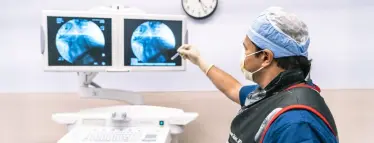
The Gleneagles Hospitals team stays up to date on the advancements in medical procedures and technologies. Experience the Future Healthcare Technologies now at Gleneagles Hospitals

Strengthening lives through compassionate care, innovative therapies and relentless efforts. It reflects in the DNA of our passionate team of doctors and dedicated clinical staff
Copyright © 2026 Dr Amarnath Reddy B, All rights reserved. Powered by PrigmaSoft Technologies
No WhatsApp Number Found!
WhatsApp us